 Eats PEI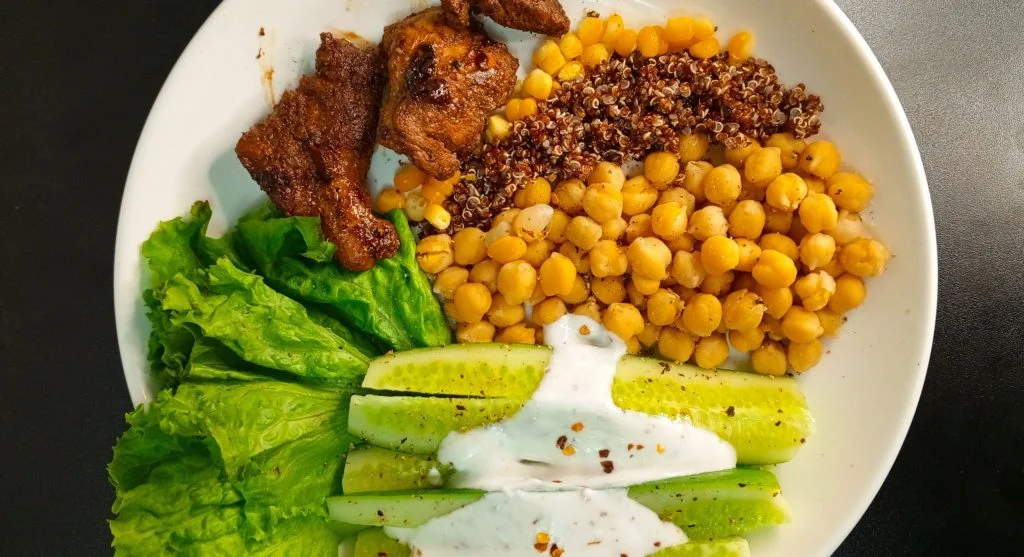
Busy weeks often make cooking feel more difficult than it actually is. The issue is not always the meal itself. In many homes, the real problem is that every dinner begins from zero. One night needs rice. Another needs cooked vegetables. Another needs a protein that is already prepared and ready to use. When none of those pieces exist yet, even a simple meal can start to feel like too much work.
Cooking educators often explain that weeknight meals become easier when at least one part of the work is already done. Meal-prep instructors also point out that many practical kitchens are not built around complicated prep plans. They are built around a few smart habits that reduce repeated effort. This is why many home cooks benefit from preparing one flexible base ingredient before the week starts to get busy.
Why One Flexible Base Ingredient Can Matter So Much
A flexible base ingredient helps because it lowers the number of decisions and steps needed later. It gives meals a place to begin. That base might be cooked rice, roasted vegetables, boiled eggs, shredded chicken, a pot of beans, or a grain that can work across several meals. Once one useful food is already prepared, many dinners begin to feel much more manageable.
Home cooking coaches often explain that meal prep works best when it supports real meals instead of turning into another full kitchen project. One prepared base ingredient usually does exactly that. It helps without creating more work than it saves.
Why Weeknight Cooking Often Feels Harder Than Weekend Cooking
Weeknight cooking usually happens under more pressure. Energy is lower, time is limited, and attention is split between work, family, chores, and the need to rest after the day. In those conditions, even a simple meal can feel harder if every part still needs to be washed, chopped, cooked, and seasoned.
Cooking instructors often note that meals do not become difficult only because the recipe is complicated. They become difficult when too many small steps demand attention at the same time. A prepared base ingredient removes some of those steps before they build up.
How a Base Ingredient Changes Meal Building
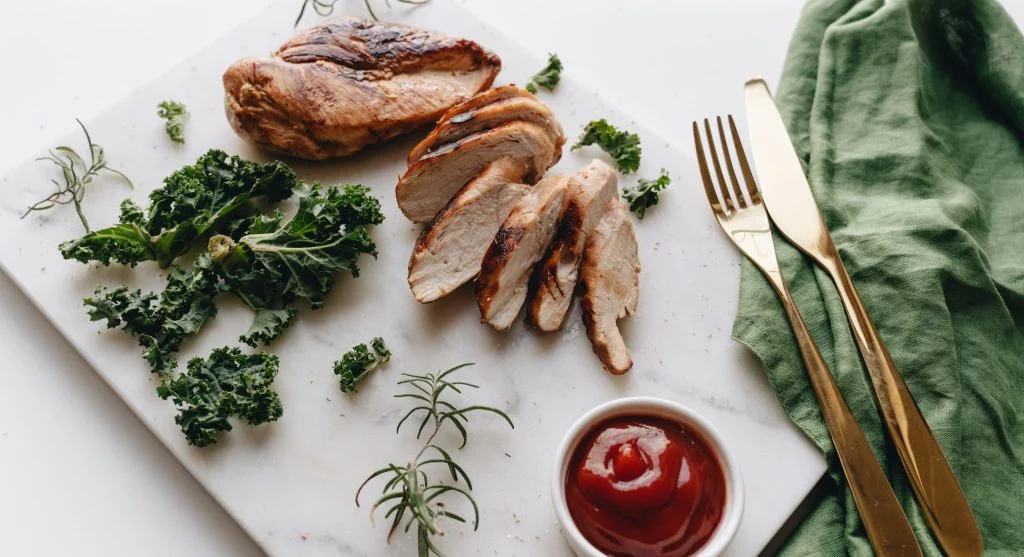
Meal building becomes easier when one major part is already finished. Cooked rice can turn into a grain bowl, a side dish, or a quick dinner base. Roasted vegetables can go into wraps, pasta, eggs, or soup. Boiled eggs can support breakfast, lunch, or a snack-style dinner. Shredded chicken can work in bowls, sandwiches, wraps, or salads.
Meal planners often explain that flexible ingredients are helpful because they can change roles with little effort. Instead of solving dinner from the very beginning, the cook only has to solve the second half of the meal.
Why Flexible Matters More Than Impressive
Some prep ideas look useful but do not fit enough meals to justify the effort. A very specific side dish or heavily flavored recipe may taste great once, but it may not move easily through the rest of the week. A flexible base ingredient works differently. It supports several meals without locking the cook into one narrow plan.
Smart cooking coaches often recommend choosing foods that can bend across the week. The goal is not to prepare the most exciting item. The goal is to prepare the one that solves the most future problems.
Which Base Ingredients Usually Work Best
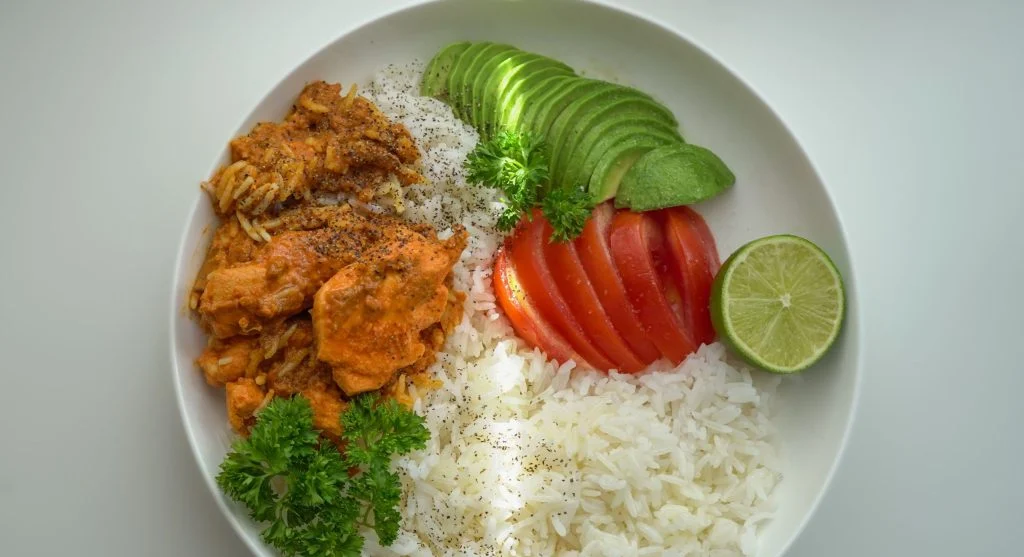
The most useful base ingredients are usually the ones that fit more than one meal style. Rice is one of the strongest examples because it can support bowls, quick dinners, lunches, and leftovers. Roasted vegetables also work well because they can move into side dishes, wraps, soups, and pasta. Eggs, beans, lentils, cooked potatoes, and simple proteins like chicken can help in similar ways.
Meal-prep educators often explain that the best base ingredient depends on the household’s normal meals. It should support what people already eat instead of forcing a completely new pattern that will be hard to maintain.
Why This Habit Helps Reduce Repeated Effort
Repeated effort is one of the biggest hidden problems in everyday cooking. Washing, chopping, boiling, roasting, and waiting for food to finish may not feel overwhelming once, but when those tasks happen every evening, they can quickly drain energy. One prepared base ingredient helps because it handles part of that repeated effort ahead of time.
Cooking educators often point out that kitchen efficiency is not about doing everything early. It is about doing the most reusable task at the right time. That is why one flexible base ingredient can be more helpful than a fully prepared meal that only works once.
How This Habit Helps Low-Energy Evenings
Low-energy evenings are where this habit often proves its value most clearly. A prepared ingredient can turn an almost impossible dinner decision into something much more manageable. Rice with eggs and cucumbers can become dinner. Roasted vegetables with yogurt sauce and toast may be enough. Beans with cooked grain and fruit on the side can support a lighter meal without much extra work.
Weeknight meal coaches often recommend planning for the hardest evening, not just the easiest one. A flexible base ingredient supports that kind of planning because it makes the kitchen more forgiving when energy is low.
Why Over-Prepping Can Sometimes Make This Harder
Some people respond to busy weeks by trying to prepare everything at once. That can backfire. The prep session becomes too big, the kitchen work feels exhausting, and the food may feel too locked into one plan. One flexible base ingredient often works better because it provides support without creating a heavy setup burden.
Cooking coaches often note that useful prep is usually smaller than people expect. A manageable amount of help is easier to repeat than an overambitious plan that feels impossible to keep up with.
How Home Cooks Can Choose the Right Ingredient for the Week
A helpful way to choose a base ingredient is to think about the meals that are likely to happen over the next few days. If bowls, soups, or side plates are likely, rice or potatoes may help the most. If wraps, snack-style meals, or quick breakfasts are more likely, boiled eggs or shredded chicken may be more useful. If dinners usually need more produce, roasted vegetables may solve more problems than anything else.
Meal-planning educators often explain that the right base ingredient should match the real week ahead, not an ideal version of the week. That simple honesty often makes the prep much more useful later.

Why This Habit Supports Both Speed and Variety
One flexible base ingredient can improve speed without making meals feel repetitive. The same rice can become a bowl one night and a side another night. The same roasted vegetables can move from pasta to soup to wraps. The same eggs can support breakfast, lunch, or dinner. That is why this habit often works better than preparing one very specific meal completely.
Cooking instructors often explain that useful variety does not always require new ingredients. It often comes from changing how a familiar prepared food is used across several meals.
Why This Often Improves Grocery Shopping Too
This cooking habit usually improves grocery shopping as well. Once a cook knows that one ingredient will be prepared early, the rest of the cart can be built more clearly around foods that support it. Rice may lead to vegetables, beans, yogurt sauce, and eggs. Roasted vegetables may lead to wraps, pasta, soup, and cheese. The whole kitchen starts to feel more connected.
Grocery planners often note that strong kitchens are built from foods that work together. A flexible base ingredient often becomes the center point that helps the rest of the groceries make more sense.
How This Habit Protects Confidence in the Kitchen
One quiet benefit of this habit is that it protects confidence in the kitchen. When dinner no longer starts from zero every night, cooking can feel less heavy and less uncertain. The cook is not relying only on energy or motivation in the moment. Part of the meal is already there, ready to help.
Cooking educators often explain that sustainable kitchen confidence comes from reducing avoidable difficulty. A flexible base ingredient does exactly that. It makes good meals easier to start, which often makes them much easier to finish too.
Frequently Asked Questions
Q: Why should home cooks prep one flexible base ingredient before the week gets busy?
A: Because one prepared ingredient can make several meals easier, reduce repeated kitchen effort, and help weeknight cooking feel more manageable.
Q: What counts as a flexible base ingredient?
A: Foods like rice, roasted vegetables, boiled eggs, cooked beans, potatoes, or simple proteins that can move across more than one meal style.
Q: Is one prepared ingredient really enough to help?
A: In many kitchens, yes. One useful ingredient often gives meals enough structure that the rest of dinner becomes much easier to build.
Q: Does this habit make meals repetitive?
A: Not necessarily. A flexible ingredient usually supports several different meals, so it often improves variety while still saving effort.