 Eats PEI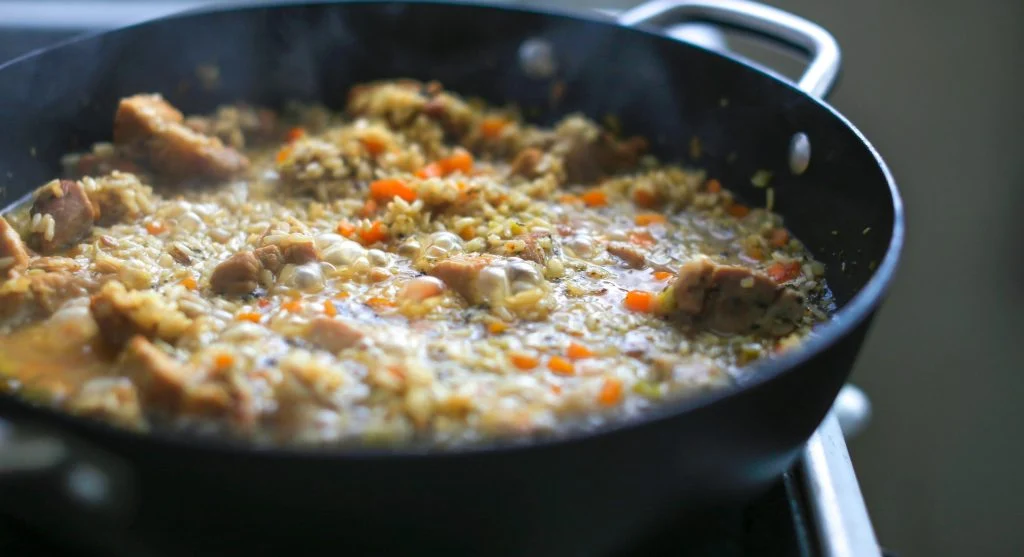
Cooking teachers often point out that leftover rice works best when it is treated like a building block instead of a shortcut that should fix dinner by itself. The strongest skillet meals come from giving the rice the right supporting ingredients and enough contrast to make the whole pan feel fresh and complete. With a little structure, a leftover container can become a real meal instead of a rushed fallback.
Why is leftover rice so useful for fast dinners?
Rice already provides body, which means the cook can spend less time building a base and more time shaping the rest of the meal. That makes it useful for weeknights when dinner needs to happen quickly. A skillet meal built around leftover rice can also take vegetables that might otherwise be forgotten in the refrigerator and turn them into something more practical.
Food educators often recommend keeping one or two “rescue meal” formats in mind for busy days. A vegetable skillet built around rice is one of the easiest examples because it uses what is already cooked while still giving the cook room to create better flavor and texture.
Start by checking the rice before it reaches the pan
Not all leftover rice behaves the same way. Some rice stays light and separate, while other rice may have become packed down or slightly dry in storage. This matters because the texture of the rice affects the whole skillet meal. If the grains go into the pan as one solid mass, the final result may feel heavy instead of lively.
A quick look at the rice before cooking helps the home cook decide what the pan needs. Rice that is very dry may need softer vegetables or a lighter finishing element later. Rice that is more compact may need extra attention in the pan so the grains separate again and do not stay clumped together.
Choose vegetables that bring more than one kind of texture
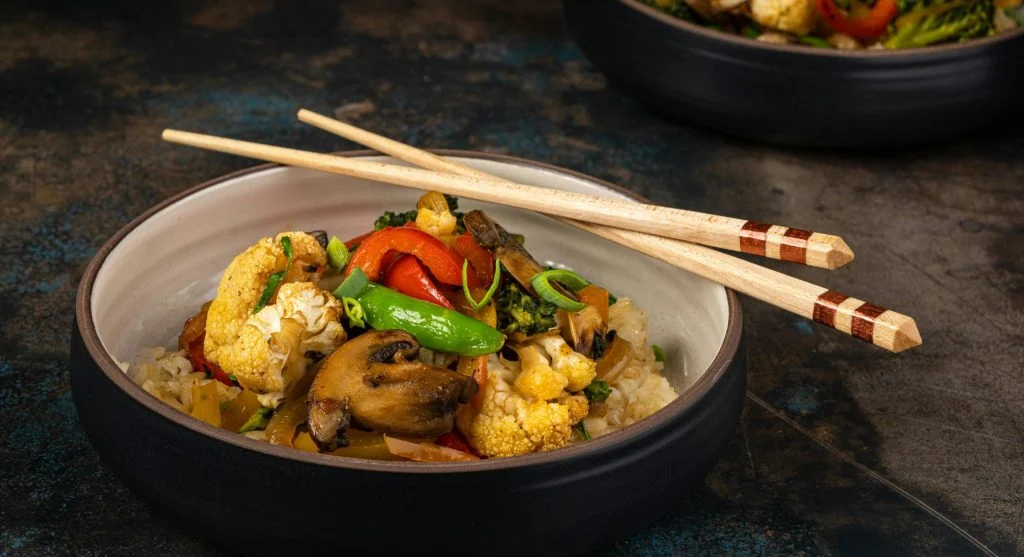
A better skillet meal usually depends on vegetables that do not all behave the same way. Some can bring softness, while others add bite or freshness. This is useful because rice already leans soft and steady. If every vegetable in the skillet also moves in that same direction, the meal may taste fine but still feel dull.
Cooking instructors often recommend thinking in texture groups rather than only in colors. One vegetable can soften into the pan, another can keep more shape, and one final ingredient can stay fresher at the end. That creates a skillet meal with more movement and more interest from bite to bite.
Build the skillet in stages instead of all at once
One of the easiest ways to improve a leftover rice dinner is to stop treating the whole meal as one single step. Vegetables often need different amounts of time in the pan, and the rice usually works better when it joins once the vegetables have already started creating the direction of the dish. This staged approach helps each ingredient keep its own role instead of becoming part of one soft mixture.
Cooking teachers often explain that timing matters more in quick meals than many people expect. When ingredients are added in the right order, the rice can pick up flavor from the pan without becoming soggy or buried under moisture too early.
Use the skillet to wake the rice back up
Leftover rice often needs a little help to feel lively again. The skillet can do that by warming the grains and helping them separate, especially if they have compacted in storage. The goal is not only to heat the rice through. It is to give it texture again so it feels like part of a fresh-cooked dinner rather than yesterday’s side dish dropped into a pan.
Food writers often note that leftover ingredients become much more appealing when they are given a second texture rather than only a second temperature. Rice is a strong example. Once it loosens and starts feeling more distinct in the skillet, the whole meal improves.
Let one ingredient carry freshness at the end
Many rice skillets go wrong because they stay entirely warm, soft, and cooked from beginning to end. That can make dinner feel a little tired even when the ingredients are good. One fresher ingredient added near the end can change that quickly. Herbs, greens, citrus, or another light topping often help the skillet taste more immediate and less stored.
Fresh ingredient specialists often explain that leftover-based meals need freshness even more than fully fresh meals do. Since the base already came from another meal, the final dish benefits from one element that clearly belongs to the present moment.
Decide early whether the meal needs more substance
Sometimes rice and vegetables are enough for the kind of dinner being built. Other times, the skillet needs another ingredient with more body. Eggs, beans, or a spoonable yogurt-based finish can all help, depending on the meal. Making that decision early keeps the dinner from reaching the table feeling pleasant but incomplete.
Meal planning educators often suggest asking a simple question before the pan gets crowded: is this skillet meant to be a light meal or a full dinner? The answer shapes everything that follows, from which vegetables are chosen to whether a more grounding topping is needed at the end.
A final touch can change the whole skillet
Once the rice and vegetables are done, the last step often matters more than home cooks expect. A final spoonful of something cool, a small squeeze of brightness, or a handful of herbs can make the skillet feel more balanced without adding much work. This is especially important in rice meals because the base can otherwise stay very gentle and muted.
Cooking instructors often say that finishing should be treated as part of the recipe, not a decoration. In a quick rice skillet, that final note is often what makes the difference between “good enough” and “worth making again.”
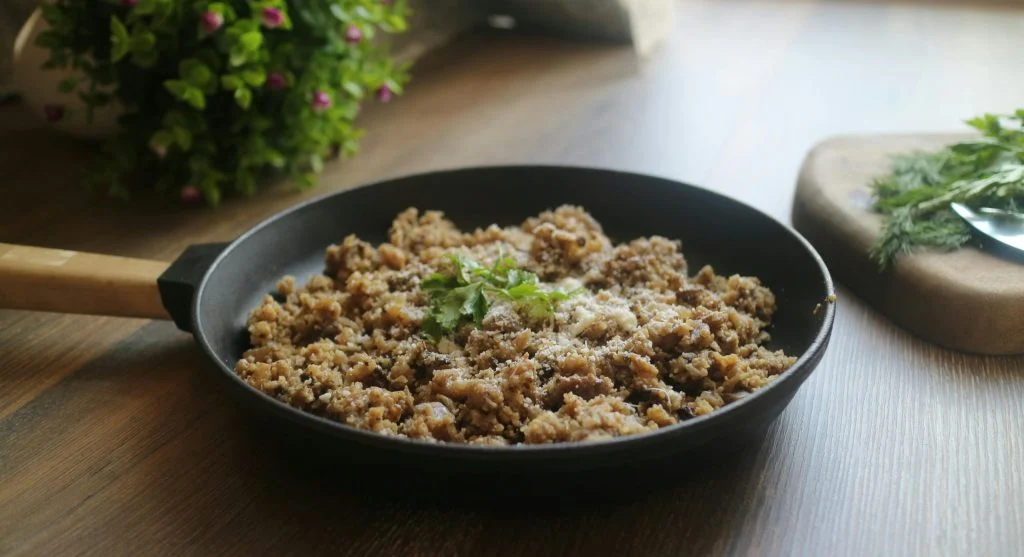
How can this kind of meal help reduce waste?
A leftover rice skillet is useful because it can take small amounts of vegetables, herbs, or other ingredients that might otherwise sit too long in the refrigerator. It gives them a format that feels intentional rather than patched together. This is one reason the meal works so well for practical everyday cooking.
Food educators often recommend learning two or three reliable “use what is already here” meal formats. A rice skillet is one of the most flexible because it can move in many directions without demanding perfect ingredients or exact quantities every time.
Frequently Asked Questions
Q: What makes leftover rice work well in a skillet meal?
A: Leftover rice works well because it already provides the base of the meal, which makes it easier to build a fast dinner around vegetables and simple finishing ingredients.
Q: Why do leftover rice skillet meals sometimes taste boring?
A: They often taste boring when everything in the pan has the same soft texture or when the meal lacks a fresh finishing ingredient to brighten the dish.
Q: Should the rice go into the skillet first?
A: Not always. In many cases, vegetables are better started first so the rice can join once the skillet already has direction and flavor.
Q: Can leftover rice skillet meals work for lunch too?
A: Yes. This kind of meal works well for both lunch and dinner because it can be light or more substantial depending on the vegetables and toppings used.
Key Takeaway
Knowing how to turn leftover rice into a skillet meal helps home cooks build faster, smarter dinners with ingredients that are already in the kitchen. The best versions usually come from treating the rice like a base, using vegetables with different textures, cooking in stages, and finishing with something fresh. That structure keeps the meal from feeling like a repeat of yesterday’s food. For everyday cooking, it is one of the easiest ways to make leftovers feel genuinely new.