 Eats PEI
A practical guide to savory oat bowls can help home cooks use one of the most familiar pantry ingredients in a completely different way. Oats are often treated only as a sweet breakfast base, but they can also support vegetables, eggs, beans, herbs, yogurt-based toppings, and light sauces. When built well, a savory oat bowl can feel warm, balanced, and surprisingly complete without asking for expensive ingredients or a complicated recipe.
Cooking instructors often explain that savory oat bowls work because oats are neutral enough to support many flavors while still bringing body to the meal. Food educators also note that the strongest oat bowls depend on contrast. Oats naturally lean soft and comforting, so the rest of the bowl usually needs freshness, texture, or a brighter finishing note to keep the meal from feeling too flat.
Why is a guide to savory oat bowls useful in everyday cooking?
Many home cooks already keep oats in the kitchen, which makes them one of the easiest ingredients to repurpose into a quick lunch or light dinner. That practicality is a major advantage. But because oats are so familiar in one form, many people never think about how useful they can be in savory meals. Once that shift happens, oats become more than breakfast. They become a flexible base for simple bowls built from leftovers, vegetables, and pantry staples.
Home cooking teachers often describe savory oat bowls as a strong “bridge meal.” They sit somewhere between breakfast, lunch, and dinner, which makes them useful on busy days when the kitchen needs a meal that feels warm but does not require much planning. That flexibility is part of what makes them worth understanding well.
What are the main parts in a guide to savory oat bowls?
At their most basic, savory oat bowls depend on cooked oats, one ingredient with more substance, one ingredient with freshness or texture, and one final touch that helps bring everything together. The oats provide the warm base, but they should not have to do all the work alone. Eggs, beans, vegetables, herbs, and light sauces all help shape the bowl into a more complete meal.
Food educators often explain that a good oat bowl should not feel like plain oatmeal with random toppings added later. The parts should feel like they belong together. That is why texture, topping order, and finishing balance matter more than many people first expect.
This is why a guide to savory oat bowls should begin with the oat base. If the oats are too thick, too loose, or too bland, the rest of the bowl becomes harder to balance later.
How should home cooks think about oat texture?
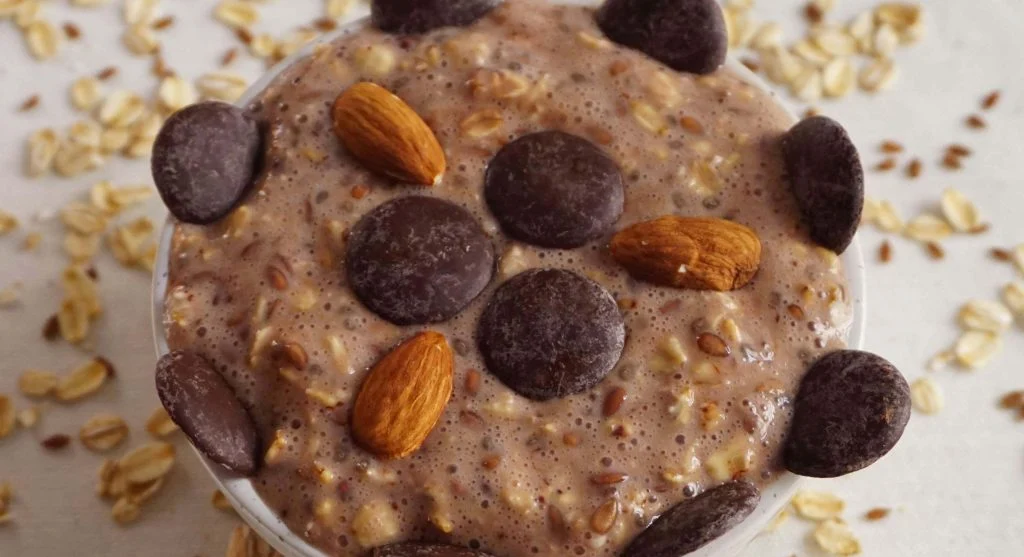
Texture is one of the most important parts of a savory oat bowl because oats can move from comforting to overly heavy very quickly. If they become too thick, the bowl may feel dense before the toppings even arrive. If they are too loose, the meal may feel more like soup than a bowl. The goal is usually a spoonable texture that still has enough body to support vegetables, eggs, or other toppings without swallowing them.
Cooking instructors often explain that oats for savory bowls should feel settled but not stiff. The base should support the toppings while still leaving space for contrast. This matters especially when the bowl includes fresher vegetables or lighter finishing ingredients that would otherwise disappear into an overly heavy base.
What is the simplest method in a guide to savory oat bowls?
One simple method is to cook the oats until they reach a smooth but not overly dense texture, then add the supporting toppings in layers rather than mixing everything into the pot. This helps preserve contrast and gives the cook more control over what the final bowl feels like. It also makes it easier to use prepared ingredients from earlier meals without losing their individual texture.
Cooking teachers often recommend thinking of savory oats like a bowl framework rather than a finished mixture. The oats form the base, but the toppings and finishing touches are what create the meal. That small shift in thinking often leads to better results right away.
Once the bowl is assembled, it often benefits from one last check. A little more freshness, a sharper topping, or a final spoonful of something light can often improve the whole meal more than adding another heavy ingredient.
How can oats become a real lunch or dinner instead of only a warm base?
The easiest way is to make sure the bowl includes at least one ingredient that brings enough substance to feel meal-like. Eggs do this well. Beans do it too. Cooked greens, mushrooms, roasted vegetables, or a thicker yogurt-based finish can also help. The oats may start the meal, but the rest of the bowl is what turns it into something more complete.
Meal planning educators often recommend thinking about savory oat bowls the same way people think about grain bowls. There should be a base, a main support, a fresh or textured contrast, and one finishing note. Once that pattern is clear, oats become much easier to use beyond breakfast.
What kinds of toppings work best in savory oat bowls?
The strongest toppings usually bring something the oats do not already have. Since oats are soft, warm, and mild, the bowl often improves with ingredients that add bite, color, or brightness. Chopped greens, sliced cucumbers, peppers, roasted vegetables, herbs, eggs, beans, and yogurt-based finishes all work because they change the direction of the bowl instead of repeating the same soft texture.
Food educators often note that savory bowls usually feel stronger when the toppings are chosen by role rather than by quantity. One ingredient for body, one for freshness, and one for finishing can often create a better meal than six toppings that all lean in the same direction.
What common mistakes affect savory oat bowls?
One common mistake is cooking the oats too thick and creating a base that feels heavy before the meal really starts. Another is choosing toppings that are all soft, which can make the bowl feel repetitive. Some home cooks also forget a finishing ingredient, which leaves the meal warm and filling but not especially memorable.
Food writers often remind cooks that savory oats do not need to be complicated to work well. In many cases, better texture, a little contrast, and one clear final note matter much more than a long topping list.
How should savory oat bowls be finished?
Savory oat bowls often benefit from one final element that sharpens the bowl after the soft base and warm toppings are in place. Herbs, citrus, pepper, yogurt, or a light sauce can all help bring the meal into better focus. This matters because oats themselves are so gentle that the bowl often needs one final push to feel fully balanced.
Cooking instructors often explain that finishing is not only decoration. In simple meals like this, the finish often becomes one of the most noticeable parts of the whole bowl. A small fresh touch can help the meal feel deliberate with very little extra effort.
Frequently Asked Questions
Q: What is the main purpose of a savory oat bowl?
A: A savory oat bowl turns oats into a warm base for vegetables, eggs, beans, and other simple toppings so the meal feels more complete than plain oatmeal.
Q: Should savory oat bowls always include eggs?
A: No. Eggs are one useful option, but beans, vegetables, yogurt-based finishes, or other practical toppings can also make the bowl feel complete.
Q: Why do savory oat bowls sometimes feel too heavy?
A: They often feel too heavy when the oats are too thick, the toppings are all soft, or the bowl lacks any fresh or bright finishing contrast.
Q: Can savory oat bowls work for meal prep?
A: Yes. The oats can be prepared ahead, and many toppings can be added later, especially if fresher ingredients and final finishes are kept for closer to serving time.
Key Takeaway
A useful guide to savory oat bowls begins with oats cooked to the right texture, toppings chosen for contrast, and one finishing touch that sharpens the whole meal. The strongest versions usually depend on structure and balance more than on a long list of ingredients. Once home cooks understand that pattern, savory oats become much easier to repeat well as lunch or dinner. For everyday meals, they are one of the most affordable and flexible bowl ideas to keep in regular use.