 Darren LeBlanc
Weekends often bring later mornings, changing schedules, social meals, errands, and more time around snack foods at home. That does not automatically make weekend eating unhealthy. But certain food myths can make it harder to find a rhythm that feels realistic and supportive. Looking closely at those myths can help people approach weekends with more flexibility and less stress.
Why weekend food habits feel different
Weekend eating often feels different because the usual structure of the week changes. Work schedules may disappear, breakfast may happen later, and shared meals may become more common. Some people enjoy the freedom, while others feel less organized around food than they do during the week.
This is why food myths can be especially unhelpful on weekends. They often push people toward all-or-nothing thinking instead of helping them respond to the day in a practical way.
1. Weekend eating should look exactly like weekday eating
This is one of the most common food myths around flexible schedules. Weekends do not need to copy weekdays in every detail to support balanced eating. Later breakfasts, slower meals, or different meal timing can still work well.
What usually matters more is whether the full day still includes enough meal structure to prevent constant grazing or very long gaps without food. Balance does not require identical timing every day.
2. A relaxed weekend means meal routines no longer matter
Some people assume that once the weekend begins, meal structure should disappear completely. But when meals become too random, hunger can become harder to manage later. A relaxed day can still benefit from a few dependable food habits, such as a real breakfast, one planned snack, or a simple backup dinner.
This is one of the food myths that often creates more stress than freedom. A little structure can support flexibility very well.
3. Weekend brunch replaces the need for food planning
Brunch can absolutely fit into a balanced weekend, but it does not automatically solve the rest of the day. A late brunch may still need to be followed by a lighter meal, a planned snack, or a practical dinner later on. Without any thought about what comes next, the rest of the day can feel disorganized.
Food myths often treat one meal as if it decides everything. In practice, the full day still matters.
4. Snacks do not count on weekends
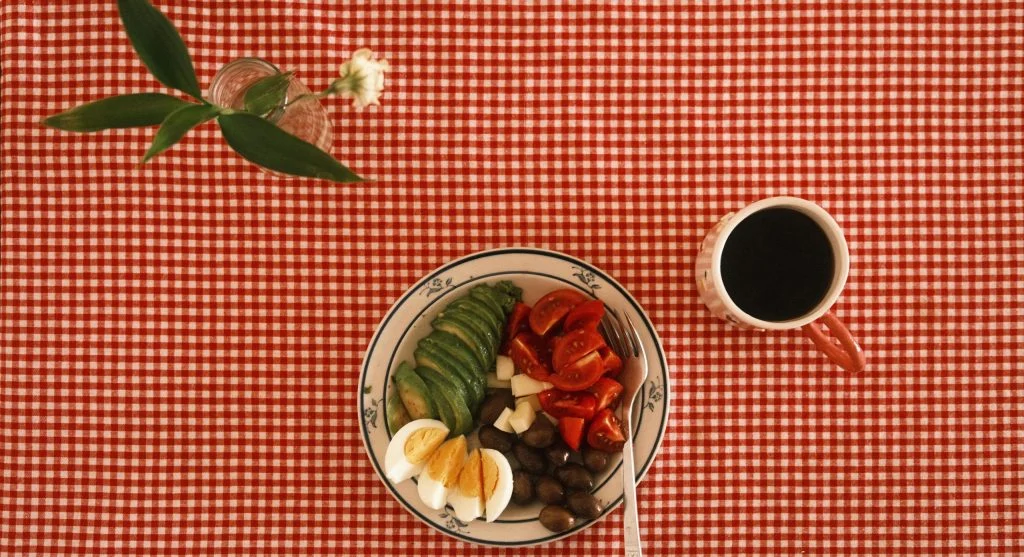
This is one of the more subtle food myths. People may snack more casually at home on weekends and then forget that those foods still shape hunger, energy, and later meal decisions. Snacks do count, even when they happen during a relaxed afternoon or while doing household tasks.
That does not mean snacks are bad. It simply means they work better when they are a little more intentional and a little less automatic.
5. Weekend treats automatically ruin the whole day
Another common myth is that one richer meal, shared dessert, or less balanced food choice means the whole day has gone off track. In reality, one meal rarely decides everything. A favorite weekend food can still fit into a broader pattern of balanced meals and practical choices.
Many nutrition professionals support looking at patterns over time instead of reacting too strongly to one meal. This is one of the most helpful food myths to leave behind.
6. Healthy weekend eating has to be strict to work
Some people think the only way to stay balanced on weekends is to follow very tight food rules. But strict rules often backfire when the weekend is meant to feel more flexible or social. A more useful approach is usually to keep a few strong habits in place while allowing the details to move more naturally.
This is one of the food myths that turns balance into pressure. Realistic routines usually work better than rigid ones.
7. Social meals cannot fit into balanced eating
Weekends often include family meals, visits, restaurant outings, or shared snacks. Some people assume those meals automatically break healthy habits, but that is not true. Social meals can still fit into balanced eating when the rest of the day has some structure and expectations stay realistic.
Food myths often separate enjoyable eating from balanced eating, when the two can exist together very well.
8. Leftovers are only for busy weekdays
Some people stop using leftovers on weekends because the day feels slower or more open. But leftovers can be just as useful on weekends, especially for casual lunches, quick dinners, or smaller meals after a late breakfast. They can reduce food waste and make relaxed days easier to manage.
This is one of the more practical food myths to challenge because leftovers often make flexible days less stressful.

9. If meal times shift, balance is impossible
Weekend meal timing often shifts, but that does not mean balance disappears. A later breakfast may simply mean a lighter lunch. A later dinner may mean a planned snack in the afternoon. Flexible meal timing can still work when the full day is considered instead of judging each meal in isolation.
This is one of the most useful food myths to challenge because it allows people to adapt without feeling like the day is failing.
10. Weekend eating should feel either perfect or effortless
This may be the biggest food myth of all. Some people expect weekends to be perfectly balanced, while others assume the days should feel completely effortless around food. Real life usually falls somewhere between those extremes. A weekend can include simple planning, enjoyable meals, balanced snacks, and flexible timing all at once.
That middle ground is often what makes eating feel sustainable. It allows people to enjoy weekends without feeling disconnected from habits that usually help them feel better.
What actually helps weekend eating feel balanced
Weekend routines often work best when they keep a few gentle anchors in place. A real first meal, one or two practical snack options, a backup dinner idea, and some awareness of the full day can make a big difference. These habits create enough structure to support hunger without making weekends feel rigid.
That is where food truths become more useful than food myths. They support flexibility without losing rhythm, which is often what weekends really need.
Frequently Asked Questions
What are food myths about weekend eating?
They are oversimplified beliefs that make weekends seem like they must be either perfectly structured or completely unplanned to work.
Can weekends still support balanced eating?
Yes. Weekends can still feel balanced when there is a little structure, realistic meals, and practical snack planning.
Do later weekend meals automatically cause problems?
No. Later meals can still fit well when the rest of the day adjusts in a practical way.
Can enjoyable weekend foods fit into better routines?
Yes. Favorite foods and social meals can still fit into balanced eating when the full day is viewed more flexibly.
Key Takeaway
Food myths about weekend eating often make balance feel harder than it really is. In practice, weekends usually work best with a little structure, flexible meal timing, realistic snacks, and room for enjoyable foods without guilt. Many experts support practical routines over strict food rules. In daily life, weekend eating feels strongest when it is flexible, balanced, and guided by what the full day actually needs.

 Eats PEI