 Darren LeBlanc
Food truths can be helpful when healthy eating starts to feel overly complicated. Many people hear mixed messages about what to eat, when to eat, and which foods to avoid. Over time, that noise can make everyday meals feel more stressful than they need to be.
In reality, nutrition often comes back to a few basic ideas that experts return to again and again. These food truths don’t promise quick fixes, but they can help people build more balanced routines and make daily eating easier to understand.
Why everyday eating feels so confusing
Part of the confusion comes from how nutrition is often presented. Headlines tend to highlight one ingredient, one trend, or one strict rule. This can make people forget that health is usually shaped by patterns over time, not by a single meal.
Food truths help bring the focus back to what matters most. They move attention away from fear-based thinking and toward simple habits that fit into real life.
1. A healthy diet is built over time
One of the most important food truths is that eating well comes from repeated habits, not individual meals. A single lunch, restaurant dinner, or dessert doesn’t determine long-term health. What matters more is the overall pattern that develops day by day and week by week.
This can be reassuring for anyone who feels they’ve “ruined” their progress after one less balanced choice. Most experts recommend returning to normal routines instead of reacting with guilt or strict restrictions.
2. Hunger is information, not failure
Many people have been taught to see hunger as something negative, but it’s simply a signal from the body. It often means it’s time to eat or that the last meal didn’t provide enough balance or staying power.
Understanding this is one of the most useful food truths for everyday life. Responding to hunger earlier can help prevent stronger cravings and rushed food choices that often happen when eating is delayed too long.
3. Protein and fiber often help meals work better
Meals made mostly of refined snacks or sugary foods don’t usually keep people satisfied for long. Protein and fiber can improve balance by helping with fullness and slowing digestion.
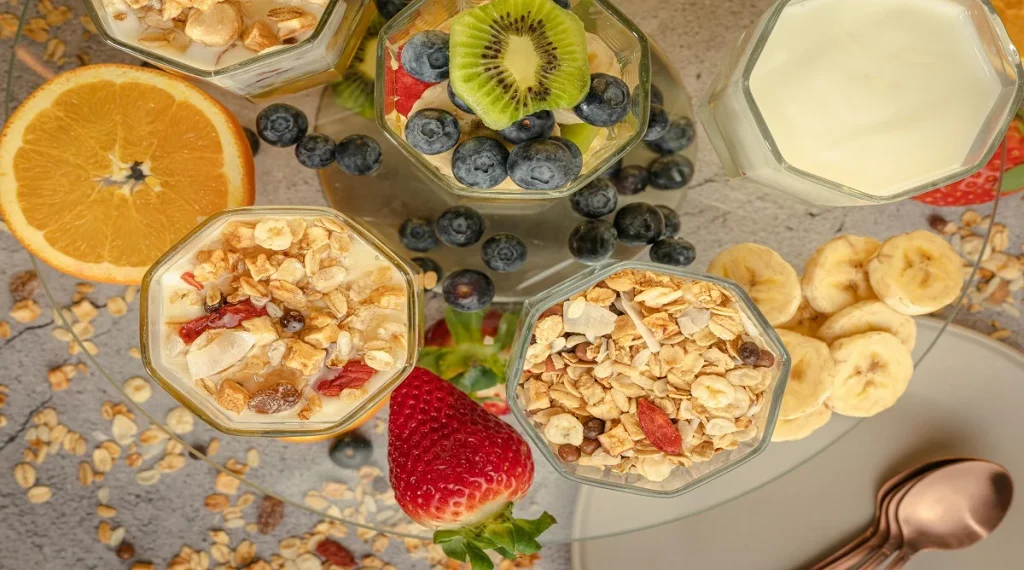
That’s why foods like eggs, yogurt, beans, lentils, oats, vegetables, and fruit are so commonly recommended. Nutrition research often highlights fiber as an important part of overall diet quality, while protein plays a key role in helping meals feel satisfying.
Credit Format: Jana Ohajdova / pexels
4. Convenience can support healthy eating
Healthy eating doesn’t require making everything from scratch. Frozen vegetables, canned beans, microwavable grains, rotisserie chicken, plain yogurt, and pre-cut fruit can all make balanced meals easier to put together.
This is one of the most practical food truths because it removes unnecessary pressure. Many dietitians support these kinds of shortcuts when they make better choices more realistic during busy weeks.
5. No food needs to be feared forever
Some foods may be more useful for everyday meals than others, but that doesn’t mean one cookie, one slice of pizza, or a fast-food meal automatically disrupts a healthy pattern. Fear-based rules often backfire because they make food feel emotionally heavy.
Food truths tend to point toward flexibility. Most balanced eating patterns can include favorite foods from time to time without falling apart.
6. Affordable foods can still be very nutritious
Another important food truth is that healthy eating doesn’t have to depend on expensive products. Oats, eggs, potatoes, lentils, rice, canned fish, beans, frozen vegetables, and yogurt can all support balanced meals at a reasonable cost.
This matters because many people assume they need specialty foods to eat well. In reality, simple staples often work just as effectively.
7. Repetition can be a strength
People often think they need a different meal every day to eat well, but repeating simple meals can actually make things easier. Oatmeal, egg wraps, rice bowls, soups, and sandwiches can all be reused without losing their value.
Experts often support routine because it reduces decision fatigue. This is one of the food truths that makes healthy eating feel more practical instead of more demanding.
8. Enjoyment makes healthy habits easier to keep
If meals feel bland, overly restrictive, or joyless, they’re harder to maintain. Healthy eating tends to work better when food is satisfying and enjoyable. Herbs, spices, sauces, textures, and favorite ingredients can all make a difference.
Enjoyment isn’t separate from health—in many cases, it’s what helps make healthy habits sustainable over time.
9. Small habits often matter more than major resets
Large food “resets” can feel motivating at first, but they’re often difficult to sustain. A more effective approach is to improve one or two habits that can be repeated easily. Drinking more water, adding protein to breakfast, planning lunch, or keeping balanced snacks at home are all good examples.
Public health guidance often supports steady habits over extreme plans. This is one of the most valuable food truths because it shifts the focus to consistency rather than perfection.

Credit Format: Kari Alfonso / pexels
How to use these food truths in real life
These ideas work best when applied in simple, practical ways. Someone might begin by improving breakfast, keeping a better snack within reach, or stocking a few reliable staples at home. Small changes tend to feel more manageable than trying to overhaul an entire diet at once.
Food truths aren’t about making every meal perfect. They’re about creating a calmer, more realistic approach to eating, so everyday choices feel easier and more natural.
Frequently Asked Questions
What are food truths?
Food truths are simple, evidence-based ideas about eating that help people focus on what matters most in daily nutrition.
Do food truths support strict dieting?
No. They usually support balanced habits and realistic routines instead of extreme food rules.
Can affordable foods fit into healthy eating?
Yes. Many affordable staples can provide strong nutrition and work well in balanced meals.
Why do food truths matter?
They help people make calmer, clearer choices without getting lost in confusing nutrition trends.
Key Takeaway
Food truths can make everyday eating feel far less confusing by bringing the focus back to the habits that really matter. Regular meals, enough protein and fiber, practical convenience foods, and simple routines often do more good than strict or extreme rules. Many experts emphasize consistency over perfection. In daily life, food truths help people build healthier patterns with less stress.


 Eats PEI