meal smarts tips using fruit vegetables protein and grains for balanced meals
25, Apr 2026
10 Meal Smarts Tips That Can Make Everyday Eating More Balanced

Meal smarts are often what make healthy eating feel practical instead of stressful. Many people want to eat better, but they get stuck figuring out what to cook, what to buy, or how to build meals that feel satisfying without becoming overly complicated.

That’s where simple structure comes in. Meal smarts aren’t about strict rules or perfect planning. They’re about understanding a few practical ideas that make breakfast, lunch, dinner, and snacks easier to handle in everyday life.

Why simple meal structure matters

When meals lack structure, people tend to fall back on whatever is quickest. That might mean snacking instead of having lunch, ordering takeout instead of cooking dinner, or eating meals that don’t keep them full for long. In many cases, the issue isn’t motivation—it’s not having a clear, simple system.

Meal smarts help by giving people a repeatable way to think about food. When you know what makes a meal work, it becomes much easier to make steady choices, even on busy days.

1. Start with one strong base

One of the simplest meal smarts tips is to begin with a reliable base. This could be rice, potatoes, oats, whole-grain bread, pasta, or even a bowl of greens. The base gives the meal structure and makes it easier to build around.

Without a base, meals can feel scattered or incomplete. Once you have one, it’s much easier to add the other parts.

2. Add protein before anything else

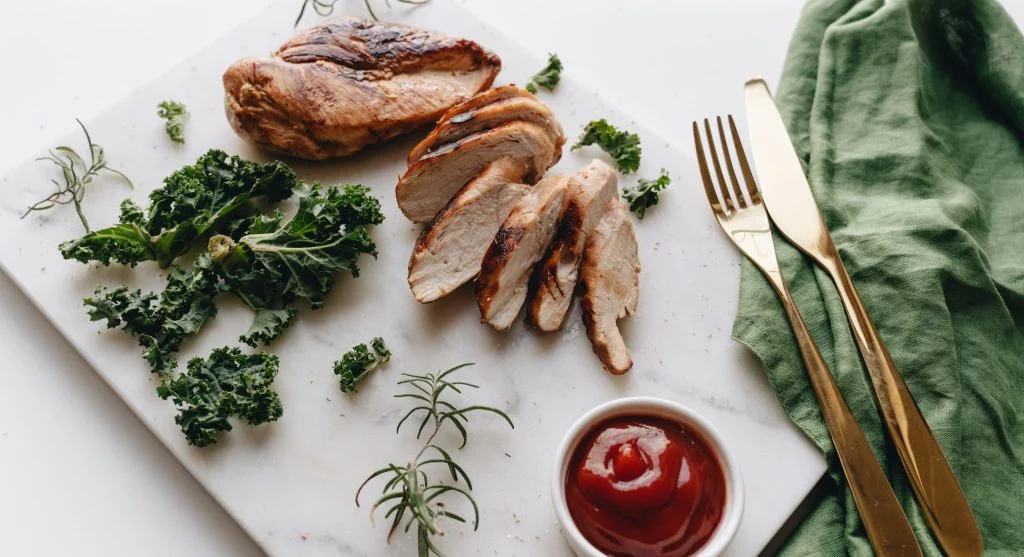
Protein often plays the biggest role in how satisfying a meal feels. Eggs, yogurt, chicken, fish, lentils, beans, tofu, cottage cheese, and turkey are all practical options that fit into many different meals.

Many dietitians recommend focusing on protein first because it helps with fullness and overall balance. This is one of the most useful meal smarts habits for people who tend to feel hungry soon after eating.

3. Do not forget produce

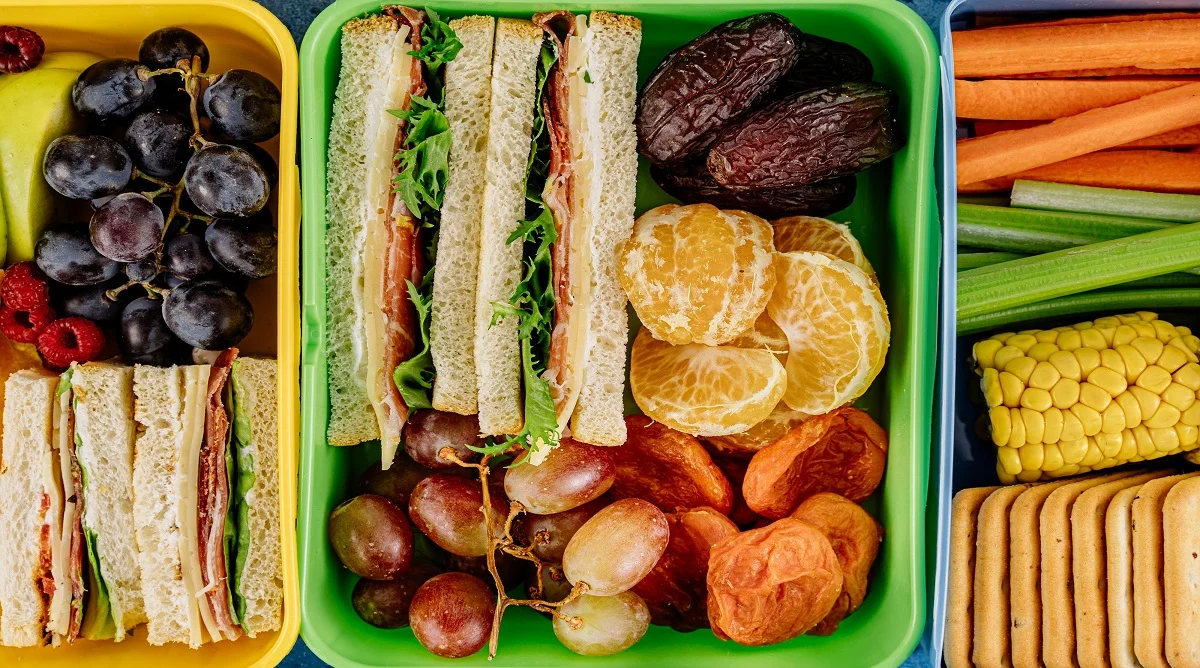
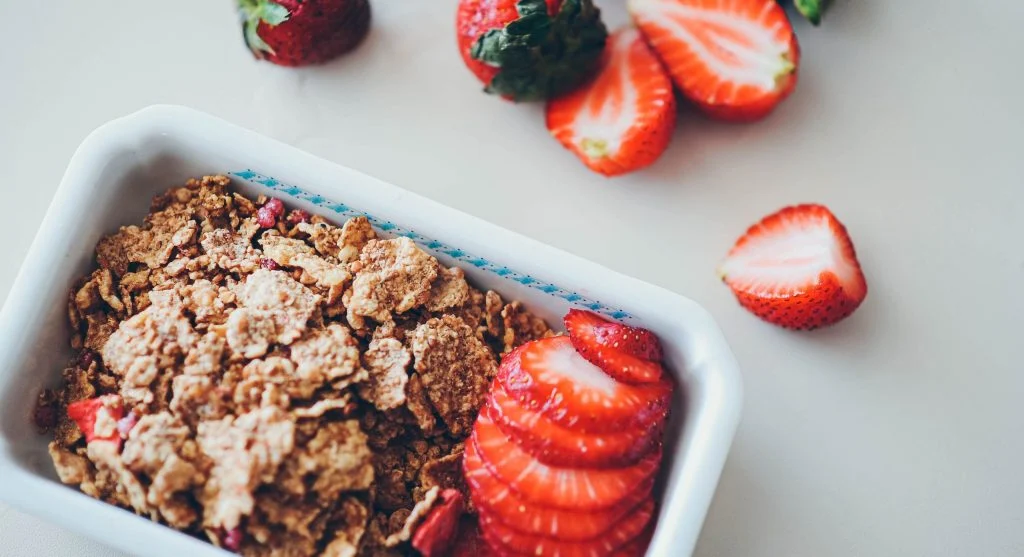
Fruits and vegetables add fiber, texture, color, and key nutrients. They also help meals feel more complete. Meal smarts often come down to remembering that produce doesn’t need to be fancy to be useful.

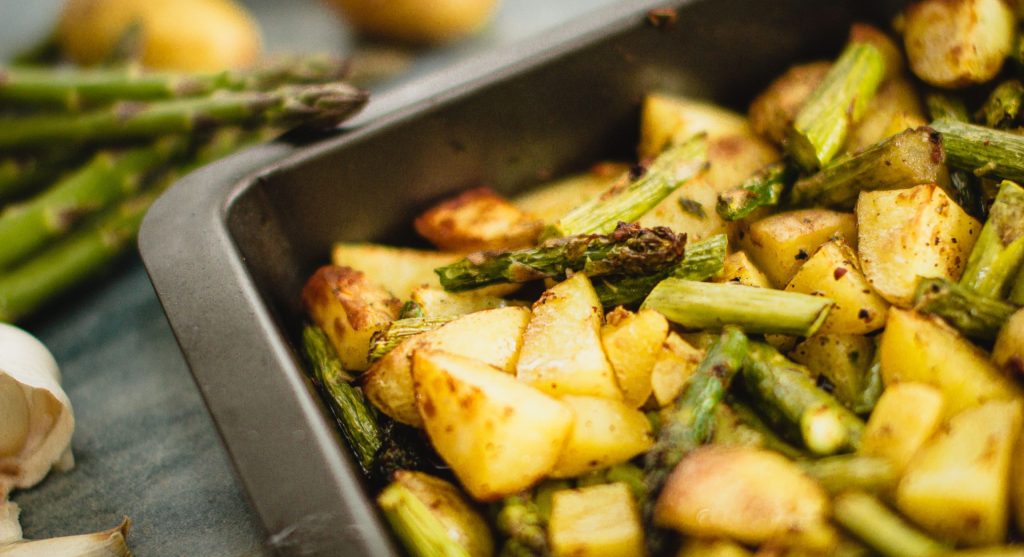
A banana with breakfast, salad in a sandwich, frozen peas stirred into pasta, or roasted carrots with dinner all count. What matters most is using them regularly, not making them perfect.

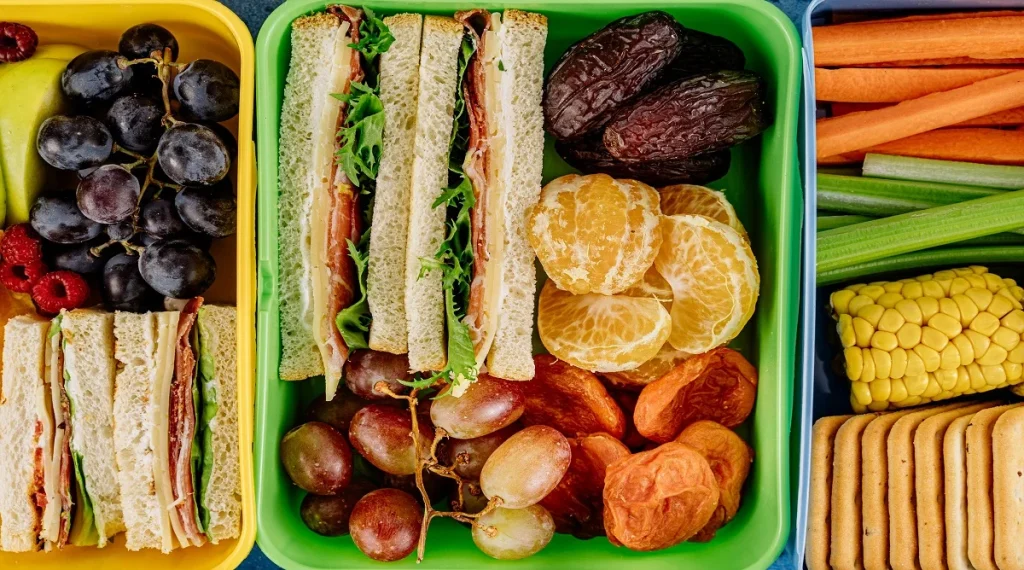
meal smarts tips using fruit vegetables protein and grains for balanced meals
Credit Format:
Antoni Shkraba Studio / pexels

4. Keep meals familiar when life is busy

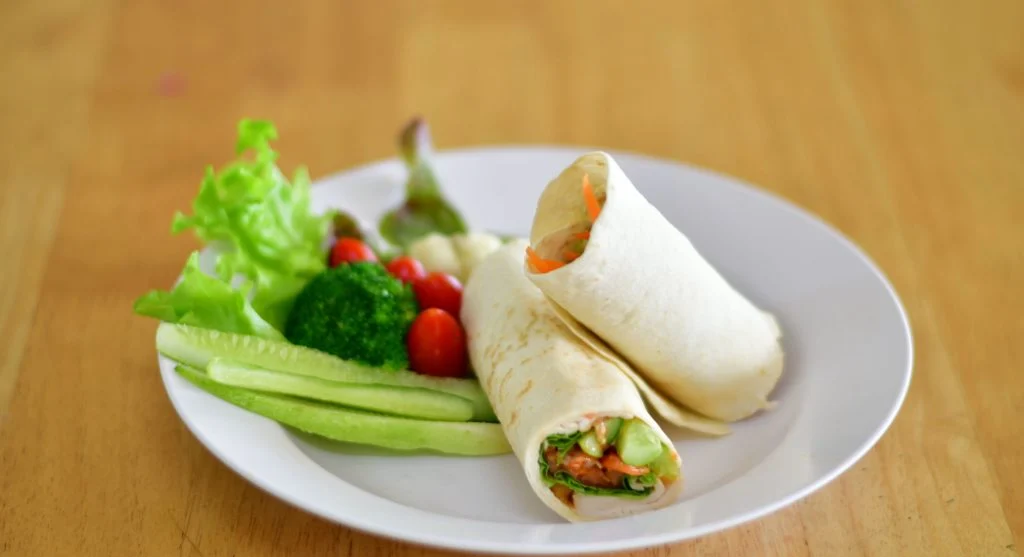
It’s easy to assume healthy eating requires constant variety, but that can add unnecessary pressure. One of the most effective meal smarts strategies is to stick with familiar meals that already work. Oatmeal with fruit, egg wraps, rice bowls, bean soup, and baked potatoes with toppings are all solid options.

Repeating meals helps cut down on decision fatigue and saves time. Many experts support these kinds of routines because they’re easier to maintain.

5. Use leftovers as part of the plan

Leftovers don’t have to be an afterthought—they can be one of the most useful parts of a meal routine. Extra chicken from dinner can turn into lunch wraps. Leftover rice can become a quick bowl with vegetables and eggs. Roasted vegetables can be added to pasta or soup the next day.

Meal smarts often come down to using food more than once instead of starting from scratch each time. This saves time, money, and mental energy.

6. Build meals that match the day ahead

Not every meal needs to look the same. A busy day, a long afternoon, or a late dinner can call for different choices. Someone with a packed schedule might need a more filling lunch, while an evening workout may call for a snack with both carbohydrates and protein.

This is where meal smarts become practical. Instead of eating on autopilot, it helps to think about what the day actually requires.

7. Make snacks support meals, not replace them by accident

Snacks can be helpful, but they shouldn’t quietly take the place of proper meals unless that’s intentional. A handful of crackers or a sugary drink might take the edge off hunger, but it usually won’t last.

Better snack options include yogurt, fruit with nuts, hummus with vegetables, popcorn with cheese, or boiled eggs. These choices are more likely to carry you through to the next meal.

8. Keep one emergency meal at home

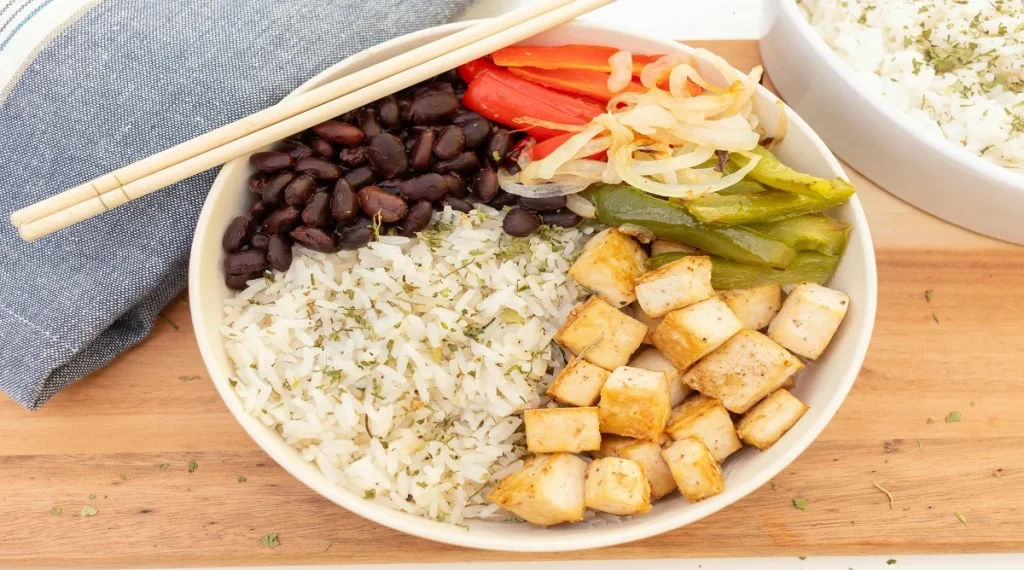
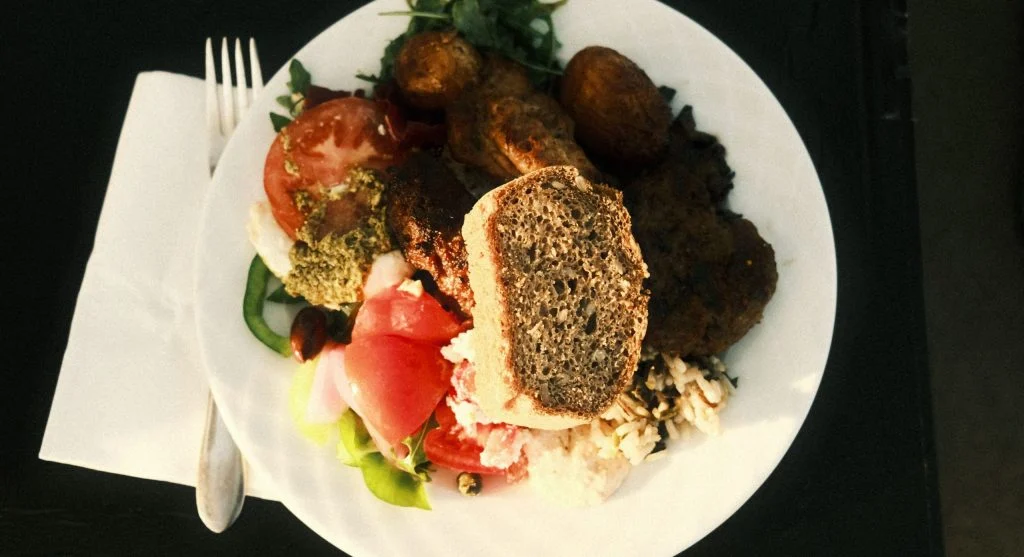
One of the most practical meal smarts habits is having a backup meal ready for low-energy nights. This could be eggs on toast, canned soup with a sandwich, pasta with tuna, or rice with beans and frozen vegetables.

The goal isn’t excitement—it’s reliability. Many experts recommend having fallback meals so stressful evenings don’t lead to less balanced choices.

meal smarts tips with a simple backup meal of rice beans and vegetables

Credit Format: Laura oliveira / pexels

9. Do not make healthy eating harder than it needs to be

Some people give up on eating better because they assume it requires complicated recipes, expensive ingredients, or long hours in the kitchen. In reality, meal smarts work best when they make life simpler, not harder.

Frozen vegetables, canned beans, rotisserie chicken, microwavable grains, bagged salads, and plain yogurt can all make meals easier to put together. Practical foods still count.

10. Focus on patterns, not single meals

One meal doesn’t define your day, and one day doesn’t define your week. Meal smarts involve stepping back and looking at overall patterns instead of reacting too strongly to a single less balanced choice.

Public health nutrition guidance often emphasizes long-term consistency over perfect eating. That’s why steady habits tend to matter more than occasional ideal meals.

How meal smarts support long-term habits

Meal smarts reduce stress around food by giving people a clear, practical way to decide what to eat next. Meals don’t have to feel like a puzzle every time. Once the basic system is in place, everyday choices become easier.

That clarity can carry over into grocery shopping, using leftovers, planning lunches, and choosing snacks. Over time, these small decisions often build stronger routines than major diet changes.

Frequently Asked Questions

What are meal smarts?

Meal smarts are simple strategies that help people build practical, balanced, and satisfying meals more easily.

Do meals always need a recipe?

No. Many balanced meals can be built from simple parts like protein, vegetables, and a grain or starch.

Can leftovers be part of healthy eating?

Yes. Leftovers can save time and make future meals easier to prepare.

What makes meal smarts helpful?

They reduce decision stress and make healthy eating more realistic during normal daily life.

Key Takeaway

Meal smarts can make everyday eating feel more balanced without turning food into a complicated project. Starting with a simple base, adding protein, including produce regularly, repeating familiar meals, and keeping backup options on hand can make daily choices easier.

Many experts emphasize practical meal structure over strict rules. In real life, meal smarts help people eat better by simplifying decisions and making habits easier to maintain over time.

Leave a Reply

Your email address will not be published. Required fields are marked *

Sorry, no related posts found.