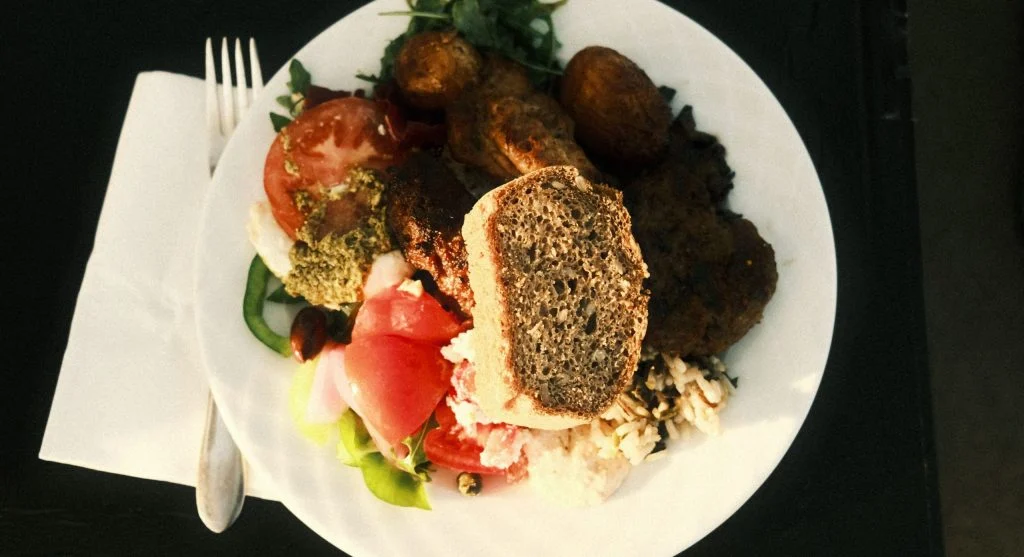
Smart cooking ideas can make weeknight meals feel much more manageable. Many people want to cook at home more often, but long workdays, family schedules, and low energy can get in the way. By the time dinner rolls around, even simple cooking can feel like too much.
That’s why practical kitchen habits matter. Instead of relying on motivation every evening, smart cooking ideas help reduce effort before the stress of the night sets in. In many homes, a few simple systems make healthy meals easier to prepare and easier to repeat.
Why busy nights often lead to poor food choices
When people are tired and hungry, they tend to go for the quickest option available. That might mean takeout, packaged snacks, or meals that don’t feel very balanced. This isn’t a failure it usually means the kitchen routine is asking too much at the wrong time.
Smart cooking ideas help by removing extra steps. The most effective strategies are often the ones that cut down on decision-making, reduce cleanup, and make useful ingredients easier to access.
1. Prep one or two ingredients, not whole meals
Many people assume meal prep means spending hours cooking for the entire week, which can feel overwhelming. A simpler approach is to prepare just one or two ingredients that will make multiple meals easier later.
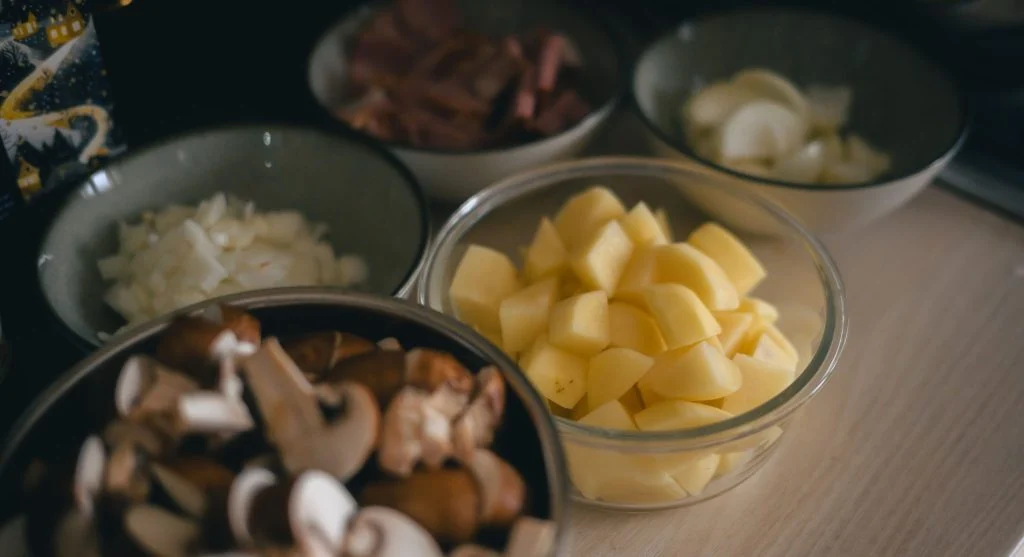
Washing lettuce, chopping vegetables, cooking rice, or roasting potatoes ahead of time can make a big difference at dinner. This is one of the most practical smart cooking ideas because it helps without turning the weekend into a full cooking project.
2. Use one-pan or one-pot meals more often
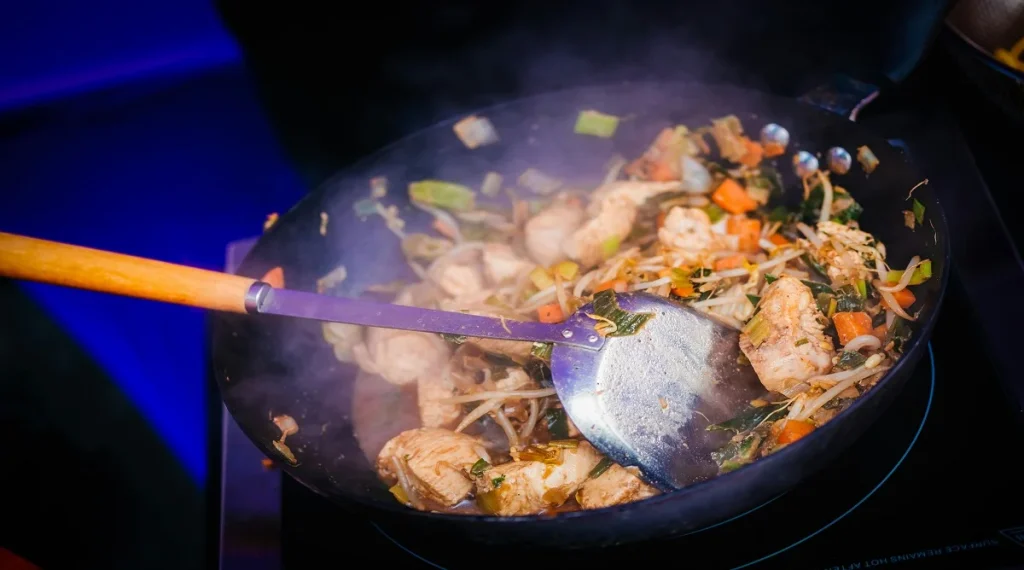
Fewer dishes often means less resistance to cooking. Sheet-pan dinners, soups, stir-fries, and simple pasta dishes can save both time and energy. These meals are also flexible, making it easy to work with whatever ingredients are already at home.
A pan of chicken, potatoes, and vegetables can become a complete meal with minimal effort. One-pot meals are especially helpful for busy households because cleanup stays simple.
3. Keep cooked grains ready in the fridge
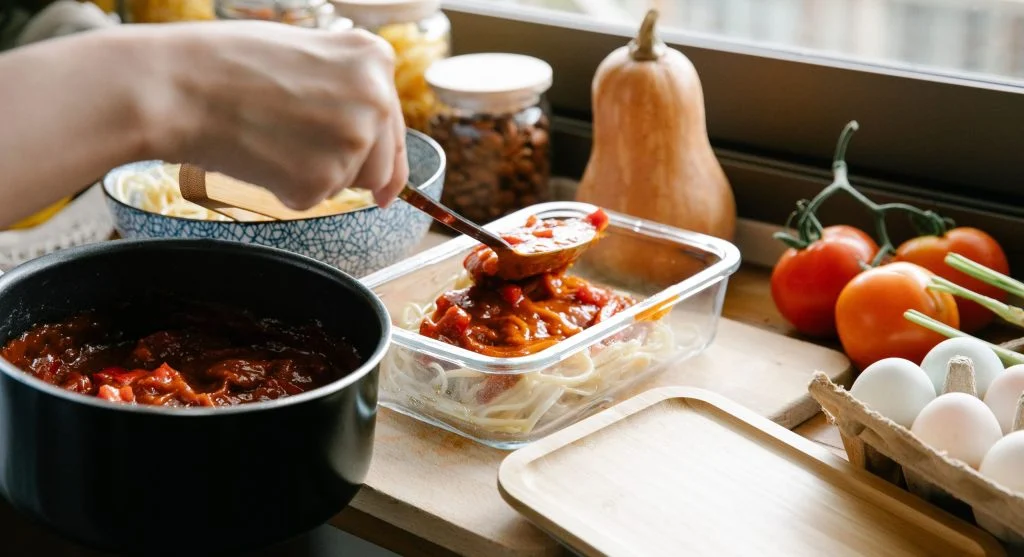
Having cooked rice, quinoa, couscous, or pasta on hand can speed up dinner significantly. Instead of waiting for the base to cook, you can focus on adding protein, vegetables, and flavor.
This is one of the smart cooking ideas that works well because grains are so versatile. They can be used in bowls, stir-fries, soups, or quick side dishes throughout the week.
4. Choose proteins that cook quickly
Some proteins take longer to prepare, which can make weeknight cooking feel harder than it needs to be. Options like eggs, shrimp, fish fillets, tofu, ground turkey, and canned beans cook quickly and still support balanced meals.
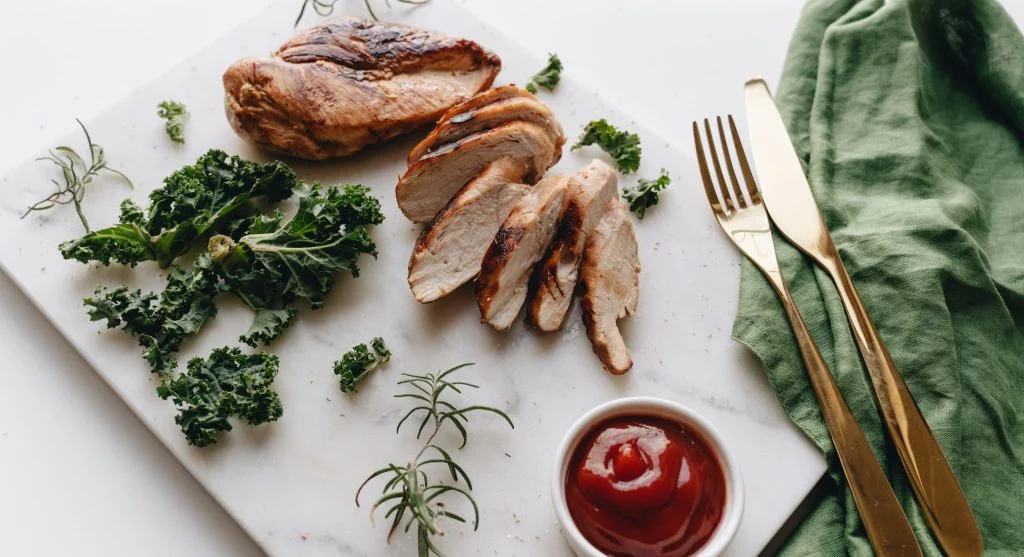
Rotisserie chicken is another helpful option when time is tight. Many dietitians support these kinds of shortcuts because they make it more likely that people will cook instead of turning to less helpful options.
5. Build meals from parts instead of recipes
Recipes can be useful, but they aren’t always necessary on busy nights. One of the most practical smart cooking ideas is to think in terms of meal parts: a protein, a vegetable, a grain or starch, and something for flavor.
This might look like salmon with potatoes and broccoli plus a squeeze of lemon. Or beans with rice, corn, and avocado topped with salsa. Building meals this way makes dinner faster and more flexible.
6. Let frozen vegetables do more of the work
Frozen vegetables can save a lot of prep time and help reduce waste. They can go straight into stir-fries, soups, pasta sauces, casseroles, or simple side dishes. Because they last longer, they also make it easier to keep vegetables on hand without frequent shopping.
Public health nutrition guidance often supports frozen vegetables as a practical choice for everyday cooking. On busy nights, that convenience can make a real difference.
7. Make one sauce or seasoning mix stretch several meals
Flavor is often what keeps home cooking interesting. A simple sauce or seasoning mix can help without adding much extra effort. Options like yogurt-based sauces, garlic and olive oil, lemon herb dressings, or a mild spice blend can work across different meals.
This is one of the smart cooking ideas that helps prevent meals from feeling repetitive. It also reduces the need to come up with something new every time you cook.
8. Keep a backup dinner for low-energy nights
Not every evening goes as planned. A smart kitchen routine includes one or two backup meals that require very little effort. Examples include eggs on toast with fruit, canned soup with a sandwich, pasta with tuna and peas, or rice with beans and frozen vegetables.
These meals may not be exciting, but they are practical. Many experts recommend having fallback options so low-energy nights don’t turn into chaotic or unbalanced eating.
9. Repeat meals that already work well
Some people assume healthy home cooking needs constant variety. In reality, sticking with a few reliable meals often makes things much easier. Having a short list of go-to dinners can reduce stress and help build consistency.
Smart cooking ideas work best when they fit into everyday routines. Repeating meals like stir-fries, sheet-pan chicken, soups, pasta with vegetables, or grain bowls can save time while still supporting balanced eating.
How smart cooking supports better eating
Cooking at home doesn’t have to be perfect to be worthwhile. In most cases, the real benefit comes from having more control over ingredients, portions, and how balanced the meal is. Smart cooking ideas make it easier to reach that point without extra effort.
When dinner feels manageable, people are more likely to cook again the next night. That consistency matters far more than making complicated meals once in a while.
Frequently Asked Questions
What are smart cooking ideas?
Smart cooking ideas are simple kitchen strategies that save time, reduce stress, and make balanced meals easier to prepare.
Do people need full meal prep to cook well on weekdays?
No. Prepping one or two ingredients ahead of time can still make a big difference during the week.
Are frozen vegetables useful for home cooking?
Yes. They are quick, practical, and can help people make meals faster with less food waste.
What is the easiest way to build a quick dinner?
Use a simple structure with protein, vegetables, a grain or starch, and an easy sauce or seasoning.
Key Takeaway
Smart cooking ideas can make busy nights feel far more manageable by reducing effort, limiting dishes, and cutting down on last-minute decisions. Small habits like prepping a few ingredients ahead of time, using frozen vegetables, keeping simple backup meals, and repeating easy dinners can support balanced eating without adding extra stress. Many experts favor practical cooking systems over ambitious kitchen plans. In everyday life, smart cooking ideas work best when they save time and are easy to repeat.

 Darren LeBlanc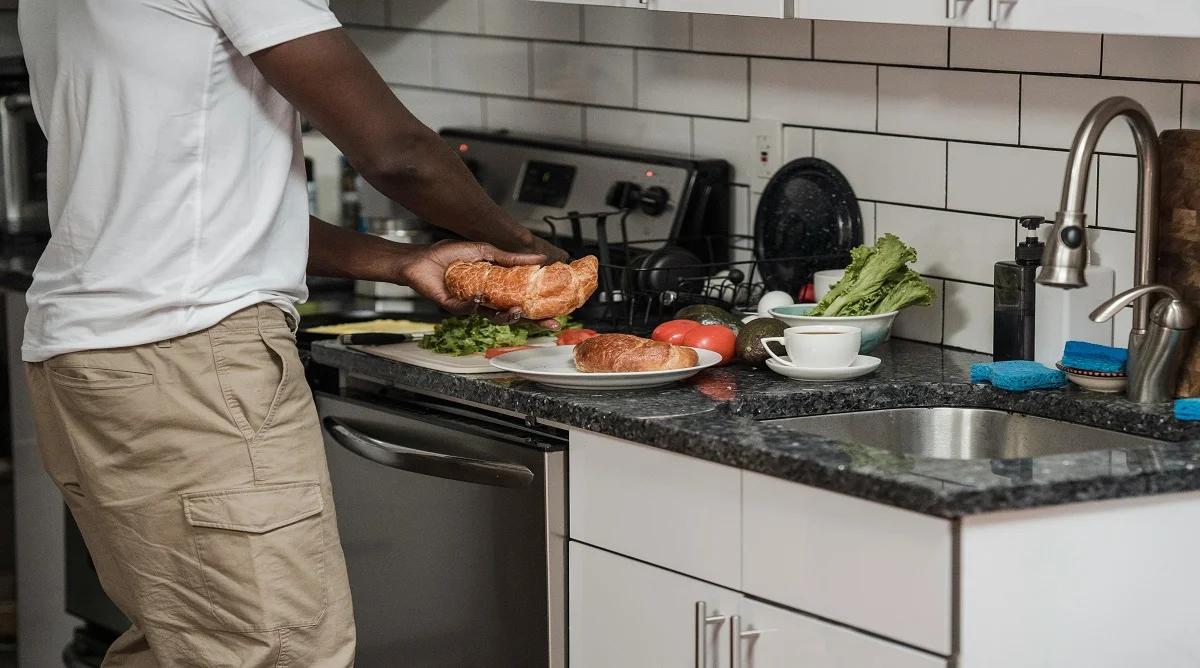


 Eats PEI