 Darren LeBlanc
Food truths can make healthy snacking feel far less complicated. Many people hear mixed advice—some are told to avoid snacks altogether, while others feel they should snack often to support energy or metabolism. In reality, it’s usually much simpler than that.
Snacks can be helpful when they match real hunger and fit into the rest of the day. They don’t need to be perfect, expensive, or marketed as special wellness foods. Understanding a few basic food truths can make it easier to see what actually works.
Why Snacks Feel Confusing in the First Place
Snack advice often feels unclear because it’s shared without enough context. A snack that helps one person get through a long afternoon may not be needed by someone else. Meal timing, activity level, appetite, and what was eaten earlier all play a role.
That’s why simple food truths are more useful than strict rules. Instead of labeling snacks as good or bad, it helps to think about what the snack is doing and why it’s needed.
1. A Snack Is Not Unhealthy Just Because It Happens Between Meals
One of the most important food truths is that timing alone doesn’t determine whether something is balanced. A snack can be useful when there’s a long gap between meals or when hunger starts building before the next one.
What matters more is the purpose of the snack and what it includes. A well-chosen snack can help maintain steady energy and prevent overeating later.
2. Healthy Snacks Often Work Better With a Mix of Foods
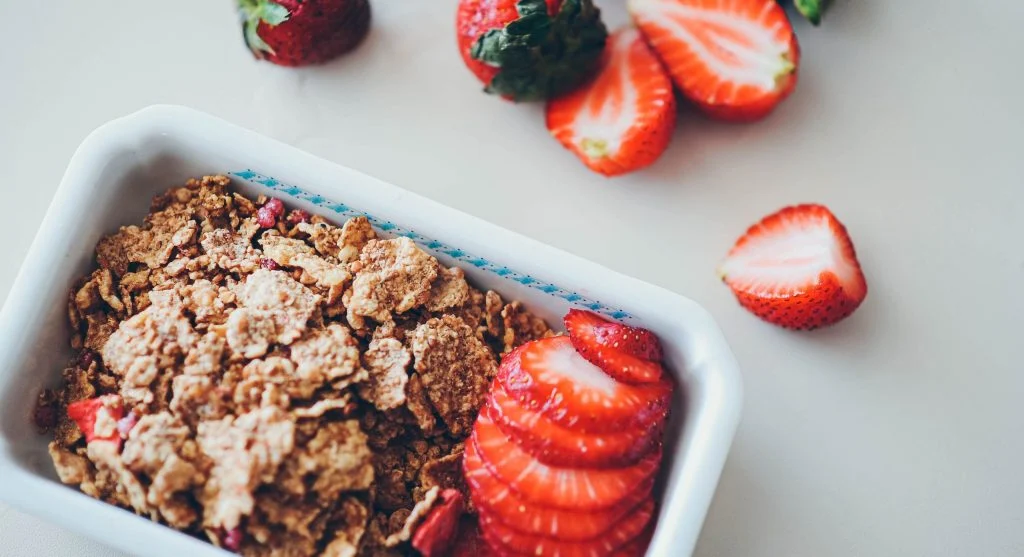
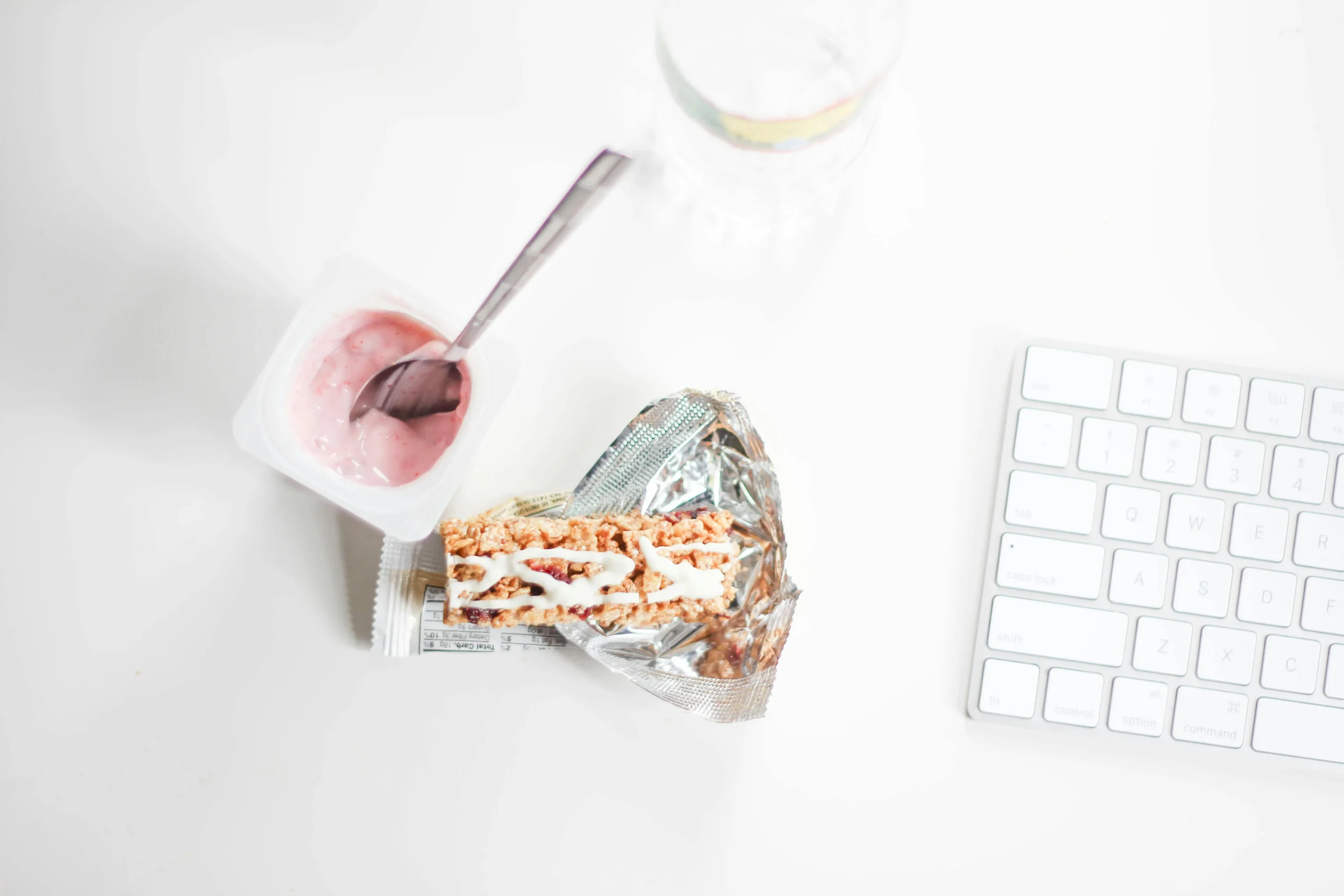
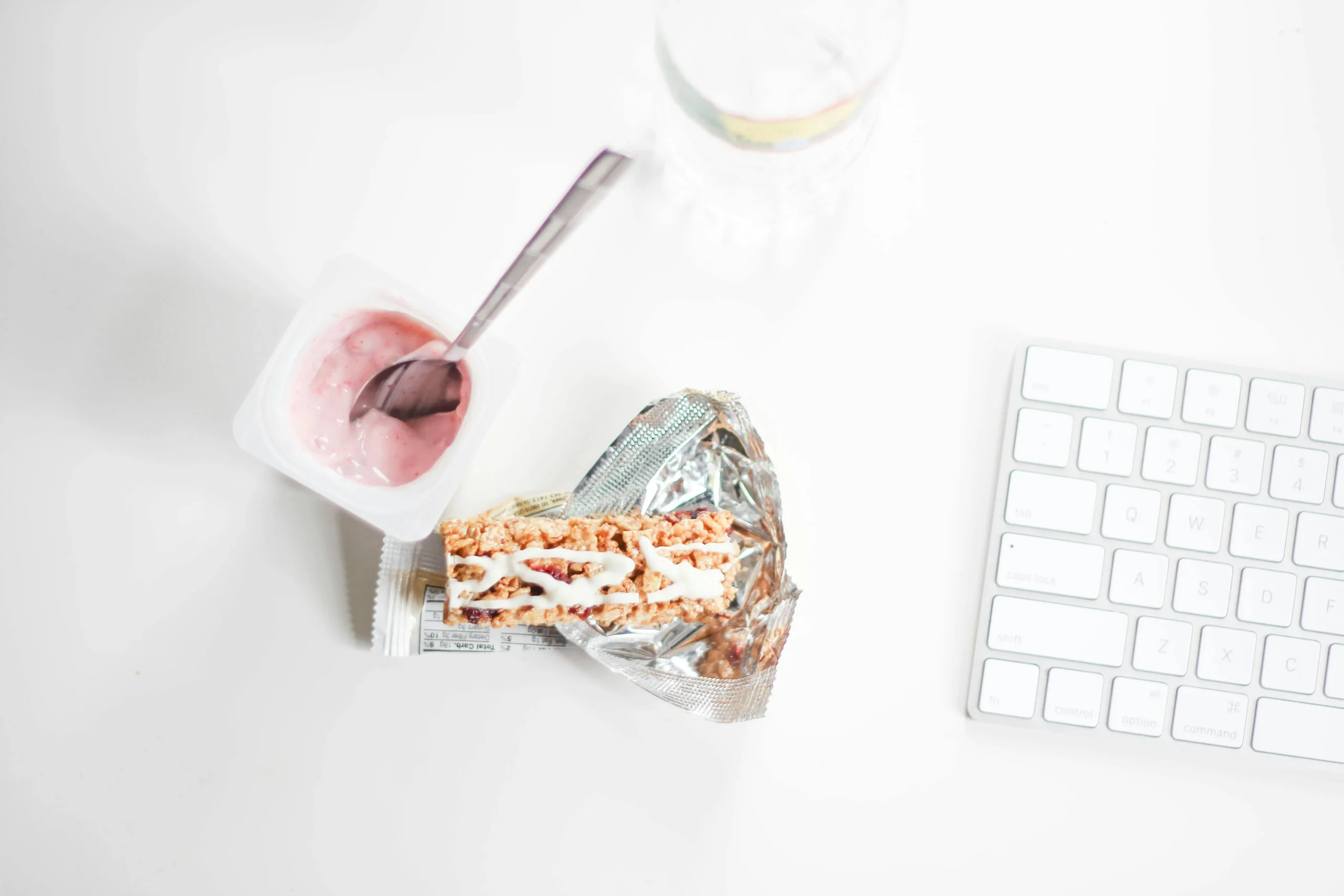
A snack made of just one quick item may not stay satisfying for long. Fruit on its own can be a good choice, but pairing it with yogurt or nuts can help it last longer. Crackers alone may not hold up as well as crackers with cheese or hummus.
This is one of the clearest food truths about snacking: a little balance can make a big difference in how helpful the snack feels.
3. Protein Often Makes Snacks More Satisfying
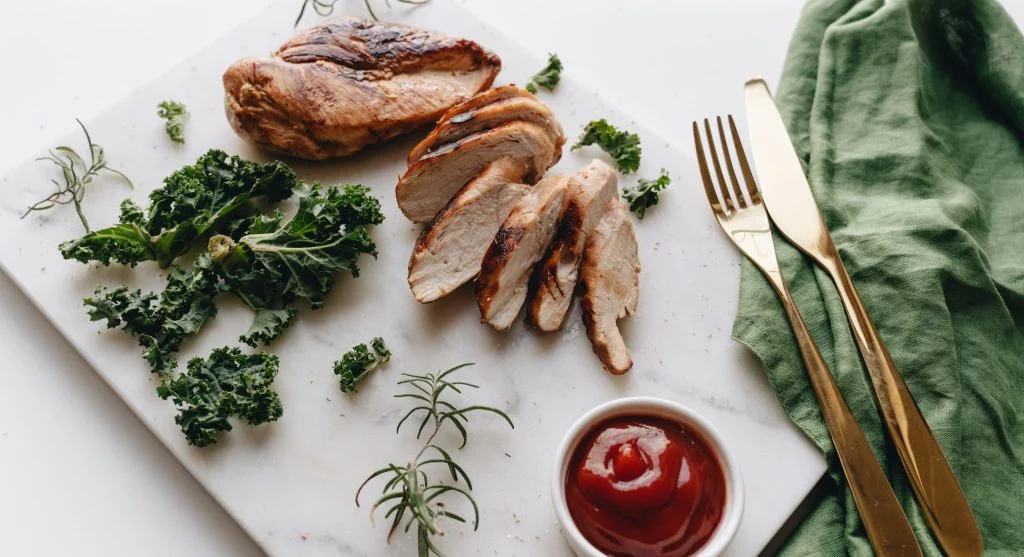
Protein is one of the simplest ways to make snacks more effective. Foods like yogurt, boiled eggs, cottage cheese, tuna, cheese, and hummus can make a snack feel more complete. They often help manage hunger better than snacks made mostly of sugar or refined starch.
Many nutrition professionals highlight protein because it adds staying power without making snacks complicated.
Credit: J. Kelly Brito / Pexels
Credit: Yaroslav Shuraev / Pexels
9. Planned snacks are often more helpful than random grazing
There is a big difference between a snack chosen on purpose and food eaten automatically while distracted. Planned snacks can support energy and reduce stress around hunger. Random grazing often feels less satisfying because it happens without much awareness.
Many experts encourage simple planning because it can make snacks feel more balanced and intentional. This is one of the strongest food truths for people who feel out of control around snack foods.
How to use these food truths in real life
Healthy snacking usually becomes easier when a few simple questions are asked. Am I actually hungry? How long until my next meal? Would this snack feel more useful with protein, fiber, or healthy fats? Do I need a snack, or would a small meal make more sense?
These questions are often more helpful than broad snack rules. They support a calmer and more practical approach to everyday eating.
Frequently Asked Questions
What are food truths about snacks?
They are simple, evidence-based ideas that help people think more clearly about hunger, snack balance, and practical food choices.
Can healthy snacks include packaged foods?
Yes. Some packaged foods can still fit into balanced snacking when they are useful and paired well.
Do snacks always need protein?
Not always, but protein often helps snacks feel more satisfying and balanced.
What makes a snack more balanced?
A snack often feels more balanced when it matches real hunger and includes foods that provide more staying power.
Key Takeaway
Food truths can make healthy snacking feel much simpler by shifting the focus away from strict rules and toward real hunger, meal timing, and useful food choices. Balanced snacks often work best when they include something filling and match what the day actually needs. Many experts support practical routines over perfect snack rules. In daily life, the most helpful snacks are often the simplest ones that truly satisfy.

 Eats PEI