 Darren LeBlanc
Meal smarts often begin before cooking starts. In many homes, the real challenge is not making one healthy meal. It is figuring out what foods to buy, how much to get, and how to make those groceries support breakfast, lunch, dinner, and snacks through the week.
That is why grocery planning matters so much. When shopping feels random, meals often feel harder too. Meal smarts can make grocery planning simpler by turning it into a practical routine instead of a stressful guessing game.
Why grocery planning often feels harder than meal planning
Many people know a few meals they like, but they still feel stuck when it is time to shop. This usually happens because groceries are bought without a clear structure. A person may grab foods that seem healthy in the moment but do not connect well into real meals later.
Meal smarts help solve that problem. They connect shopping to the actual meals a person needs during the week, which makes both decisions easier.
1. Plan for meal types, not every exact recipe
One of the most useful meal smarts habits is to think in meal types instead of planning seven detailed recipes. That might mean two easy breakfasts, two lunches, three simple dinners, and a few smart snacks. This gives enough structure without making the week feel rigid.
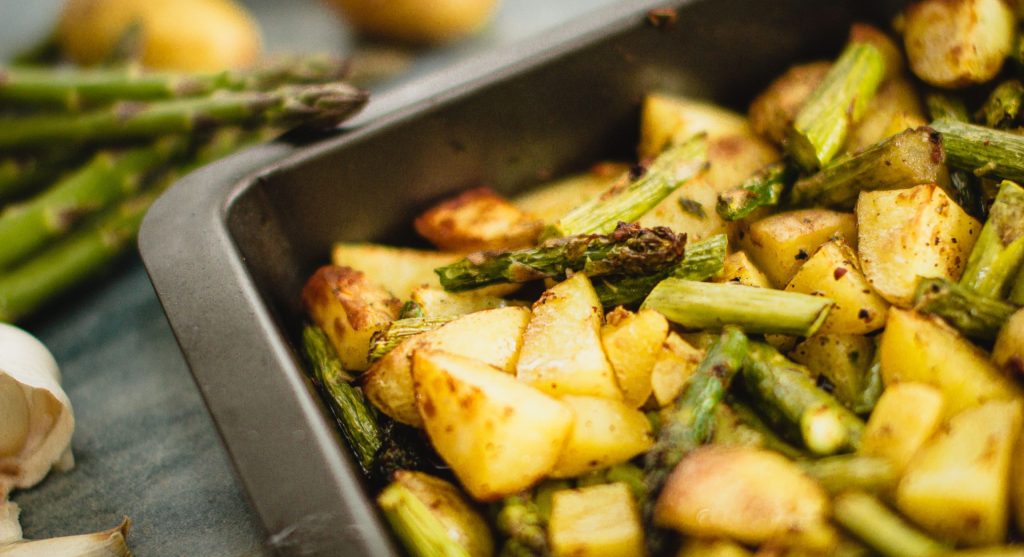
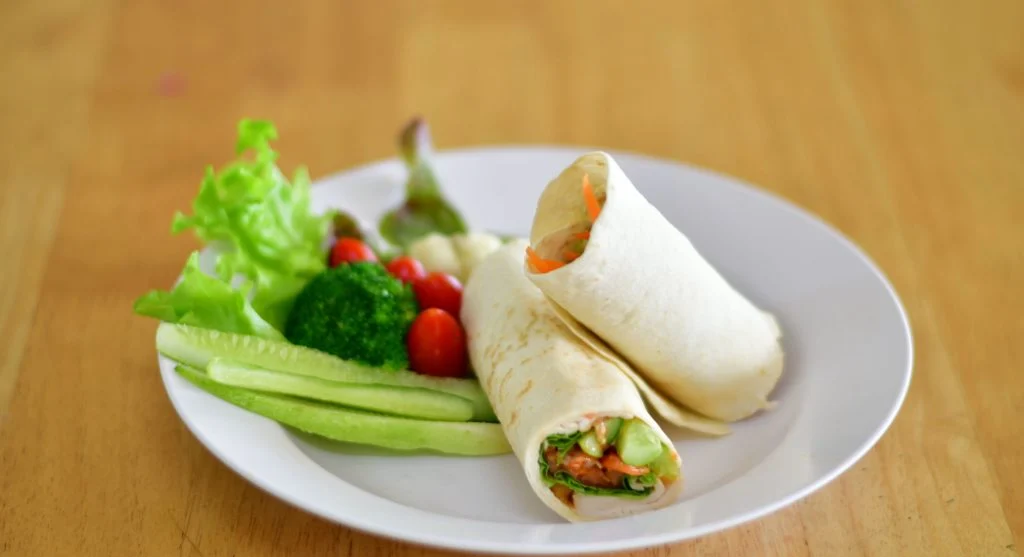
For example, breakfast may rotate between oats and eggs. Lunch may include leftovers and sandwiches. Dinner may include one rice bowl, one pasta night, and one simple tray-bake meal. That level of planning is often enough.
2. Build the grocery list around staple foods first
Staples make grocery planning easier because they work in more than one meal. Eggs, oats, yogurt, rice, potatoes, beans, frozen vegetables, fruit, and whole-grain bread are strong examples. These foods can support many parts of the week without much extra effort.
Meal smarts often depend on having foods that can do more than one job. A single staple might support breakfast, lunch, snacks, and dinner depending on how it is used.
3. Choose proteins that fit several meals
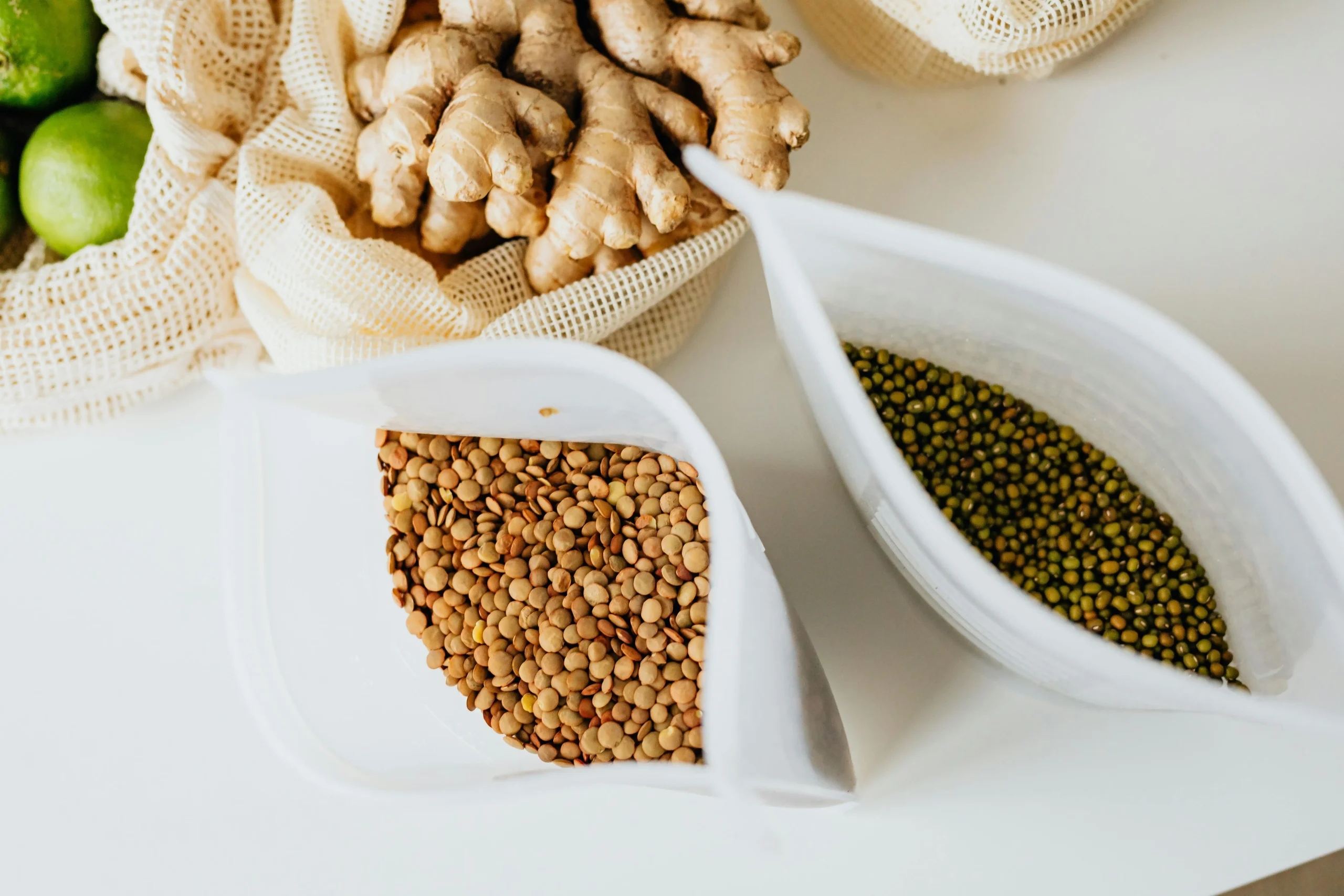
Protein is one of the most useful anchors in grocery planning. Chicken, eggs, yogurt, beans, lentils, tuna, tofu, or cottage cheese can often be used in multiple meals. This makes the list feel more efficient and keeps meals from becoming too repetitive.
Experts often support planning around flexible proteins because they help meals feel more filling and easier to build. This is one of the clearest meal smarts habits for smarter shopping.
Credit: www.kaboompics.com / Pexels
4. Include produce that matches real life
It is easy to buy produce with good intentions, but grocery planning works better when fruits and vegetables match what a person will actually prepare. If the week will be busy, frozen vegetables, bagged salad, bananas, apples, berries, or pre-cut produce may be more useful than ingredients that need extra work.
This is one of the most practical meal smarts ideas because it helps reduce food waste and makes healthy choices more realistic.
5. Plan one or two backup meals on purpose
Good grocery planning leaves room for real life. That means having ingredients for one or two backup meals that work when schedules change or energy is low. Eggs on toast, soup with a sandwich, pasta with tuna, or rice with beans and frozen vegetables are useful examples.
Meal smarts often work best when they prepare for imperfect days, not only ideal ones. Backup meals can make the whole week feel easier to manage.
6. Let leftovers shape the grocery list
One overlooked part of meal planning is buying groceries that support leftovers well. If rice, cooked chicken, or roasted vegetables are likely to be left over, it helps to have greens, yogurt sauce, tortillas, soup ingredients, or eggs on hand to turn them into another meal.
This is one of the smartest meal smarts habits because it stretches groceries further and reduces waste without much extra effort.
7. Keep snacks connected to the rest of the day
Snack planning is often treated as separate from meals, but it works better when the full day is considered. If lunches tend to be early, more satisfying snacks may be needed in the afternoon. If breakfast is usually light, a mid-morning option may help.
Yogurt, fruit, nuts, hummus, popcorn, crackers, cheese, and boiled eggs are common examples that fit well into practical weekly shopping.
8. Repeat what already works
Some people believe grocery planning should feel creative every week, but repetition is often what makes it manageable. If a few breakfasts, lunches, and dinners already work well, it makes sense to repeat those ingredients regularly.
Meal smarts often depend on reducing decision fatigue. Repeating useful foods helps shopping feel faster and lowers the pressure to constantly invent new plans. Credit: Helena Lopes / Pexels
9. Shop for simple combinations, not only ingredients
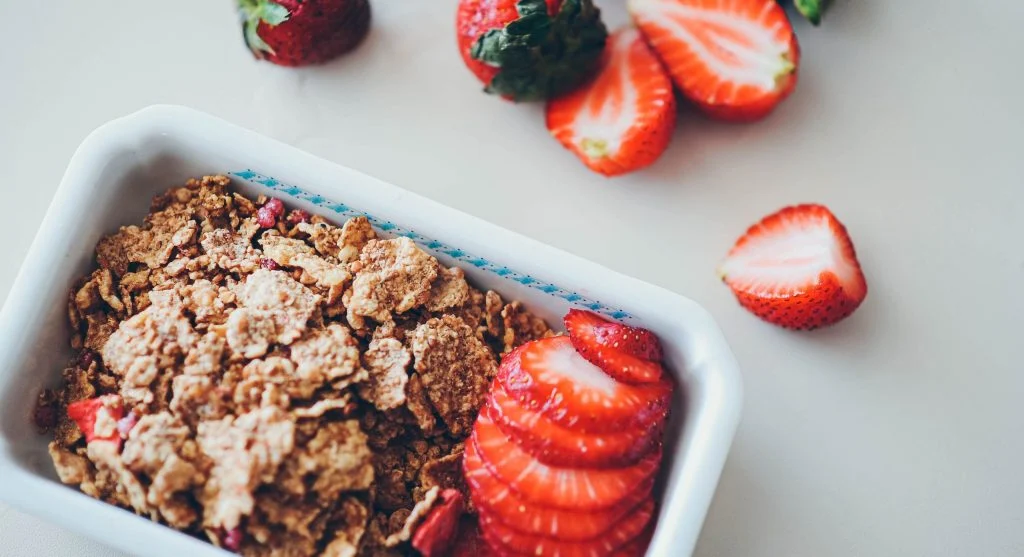
A useful grocery list often reflects combinations that make sense together. Rice plus beans plus vegetables creates one dinner path. Yogurt plus fruit plus oats creates one breakfast path. Bread plus eggs plus fruit creates another.
This is one of the more helpful meal smarts habits because it keeps groceries connected to actual eating moments instead of isolated ingredients sitting in the kitchen.
10. Keep grocery planning short and practical
Planning works best when it does not take too long. A short list of staple foods, a few meal ideas, and one or two backup options are often enough. Overplanning can become another barrier that makes the whole process feel tiring.
Many experts support simple routines because they are easier to repeat. Meal smarts are most effective when they help real life, not when they create more work.
How these meal smarts habits support the whole week
Better grocery planning affects much more than one trip to the store. It shapes how easy breakfast feels, whether lunch is filling, what snacks are available, and how stressful dinner becomes later in the week. A smarter list often leads to smoother meals overall.
That is why meal smarts matter so much. They help connect groceries to routines in a way that reduces waste, saves time, and makes balanced eating easier to repeat.
Frequently Asked Questions
What are meal smarts habits?
Meal smarts habits are simple routines that help people shop, plan, and build balanced meals more easily.
How can grocery planning be made easier?
It often helps to focus on staple foods, flexible proteins, simple meal types, and one or two backup meal options.
Do people need a full meal plan for the week?
No. Many people do well with a loose plan built around meal types and repeat ingredients instead of detailed recipes.
Why are repeated staples helpful?
They reduce decision stress, simplify shopping, and make it easier to turn groceries into real meals.
Key Takeaway
Meal smarts habits can make grocery planning much easier by giving the week more structure without making it feel too rigid. Flexible staples, realistic produce, repeat meals, and a few backup options can help turn shopping into balanced meals with less stress. Many experts support simple planning routines over detailed perfection. In daily life, meal smarts work best when groceries are chosen to support real meals people can actually make.

 Eats PEI