 Darren LeBlanc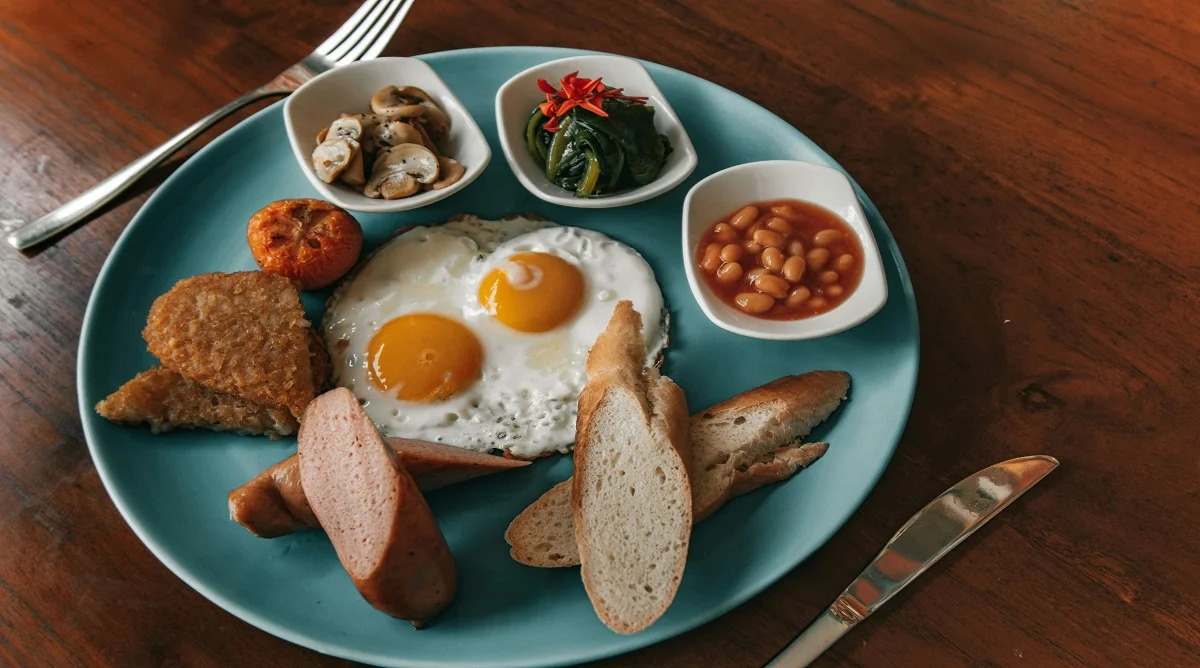
Food myths about breakfast can make mornings feel more complicated than they need to be. Some people hear that breakfast is the most important meal of the day and should never be skipped, while others are told it doesn’t matter at all. The reality usually falls somewhere in between.
For many people, breakfast can be helpful, but what matters most is how it fits into the rest of the day. Looking more closely at common food myths can make it easier to build a realistic morning routine without turning breakfast into a source of stress.
Why breakfast advice often feels so mixed
Morning routines vary widely. Some people wake up hungry and feel better eating right away, while others need more time before food sounds appealing. Work schedules, sleep patterns, physical activity, and overall eating habits all play a role.
That’s why food myths about breakfast spread so easily. A rule that works for one person can sound universal, even when it isn’t. Experts usually look at the full eating pattern rather than relying on one strict breakfast rule.
1. Everyone must eat breakfast immediately after waking up
This is one of the most common food myths about mornings. Some people feel hungry as soon as they wake up, while others don’t. Eating right away isn’t necessary for everyone.
What matters more is whether the morning routine supports energy and hunger throughout the day. For some, that means eating early. For others, it might mean waiting a bit and then having a balanced meal.
2. Skipping breakfast always ruins healthy eating
This idea is too rigid. Skipping breakfast doesn’t automatically make the whole day unhealthy. The more important question is what happens afterward. Some people do fine without an early meal, while others become overly hungry and make more rushed choices later.
Food myths often fall short because they ignore context. Breakfast plays a different role depending on the person and the rest of the day.
3. Breakfast needs to be large to be useful
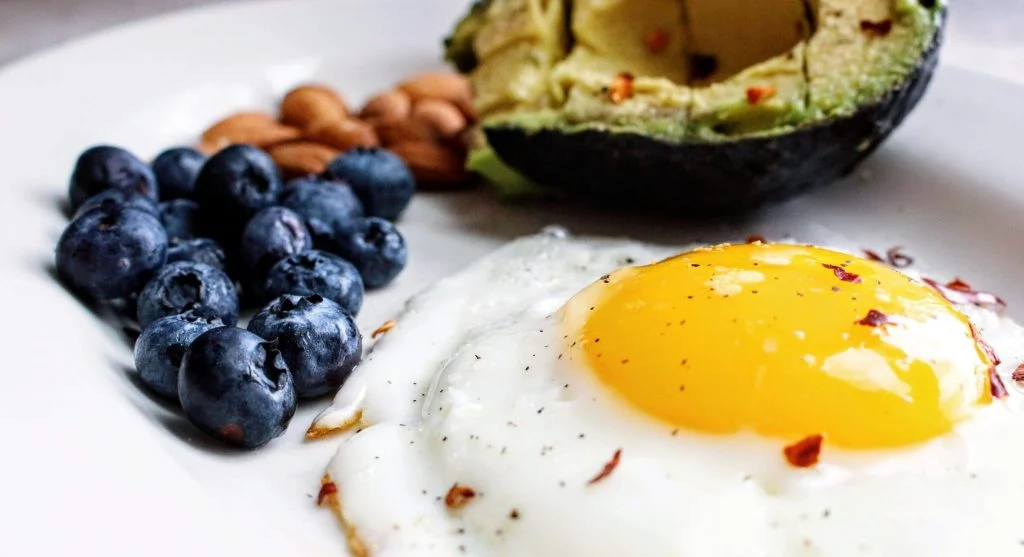
Another common myth is that breakfast only “counts” if it’s a big meal. In reality, breakfast can be small and still helpful if it’s balanced enough to support the morning. Yogurt with fruit, eggs with toast, or oats with nut butter are all good examples.
The goal isn’t size—it’s usefulness. This is one of the food myths that often creates unnecessary pressure during busy mornings.
4. Coffee can replace breakfast completely
Coffee can help you feel more alert, but it isn’t the same as eating. For some people, coffee alone may get them through a short stretch, but it usually doesn’t provide enough staying power for the whole morning.
This is one of the more common food myths for busy adults. If hunger builds later, having a more balanced breakfast or planning a small snack can make the day easier to manage.
5. Sugary breakfast foods are fine because they are eaten early
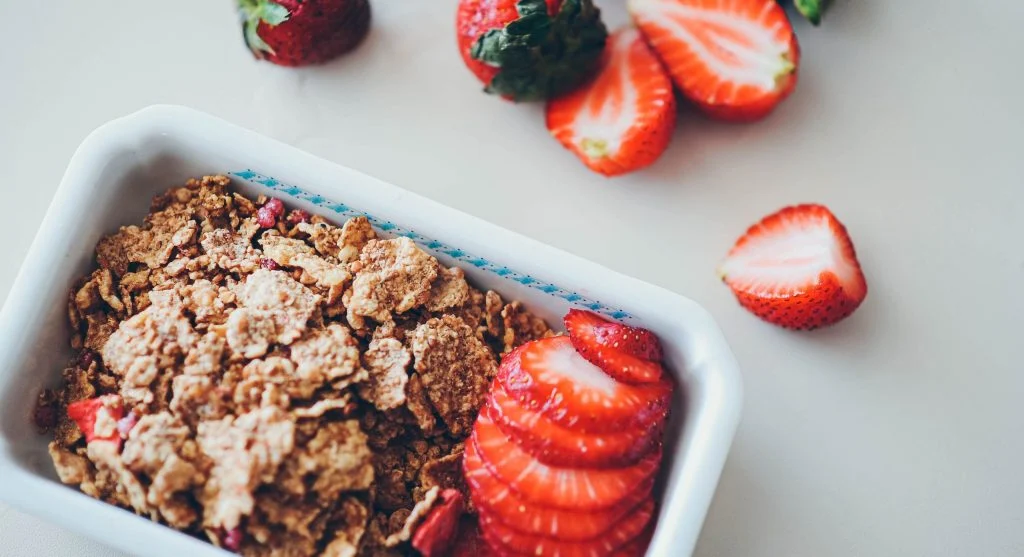
Some people assume that sweet cereals, pastries, or sugary drinks are fine simply because they’re eaten in the morning. But timing alone doesn’t make a breakfast balanced. Meals built mostly around added sugar may leave people hungry again soon after.
This doesn’t mean sweet foods can’t be part of breakfast. It usually works better when they’re paired with protein, fiber, or a more substantial base.
6. Fruit alone is always enough for breakfast
Fruit can be a great part of breakfast, but for many people it may not be enough on its own. Pairing fruit with yogurt, eggs, oats, nuts, or whole-grain toast can make the meal more balanced and more filling.
This is one of those food myths that sounds healthy but doesn’t always hold up in real life for different schedules and hunger levels.
7. Breakfast must include traditional breakfast foods
Many people think breakfast has to look a certain way. In reality, there’s no rule that says only cereal, toast, oats, or eggs count. Leftovers, soup, rice, beans, or other savory foods can work just as well in the morning.
Food myths become limiting when they turn simple routines into strict categories. What matters is whether the meal supports the person’s needs.
8. A healthy breakfast must be made from scratch every day
This idea can make mornings feel harder than necessary. A helpful breakfast doesn’t always need to be freshly cooked. Yogurt cups, overnight oats, boiled eggs, frozen fruit smoothies, and whole-grain toast can all support better eating with less effort.
Many experts support practical breakfast routines because they’re easier to maintain during busy weeks. Convenience and balance can absolutely work together.

Credit Format: SHVETS production / pexels
Frequently Asked Questions
Do all people need breakfast every day?
No. Breakfast needs can vary depending on hunger, routine, and how the rest of the day is structured.
Can a small breakfast still be helpful?
Yes. A small breakfast can still work well when it includes balanced foods that support the morning.
Is coffee enough for breakfast?
For many people, coffee alone may not be enough to manage hunger or energy through the morning.
Does breakfast need to include traditional breakfast foods?
No. Any balanced meal that fits the morning can work as breakfast.

 Eats PEI