 Darren LeBlanc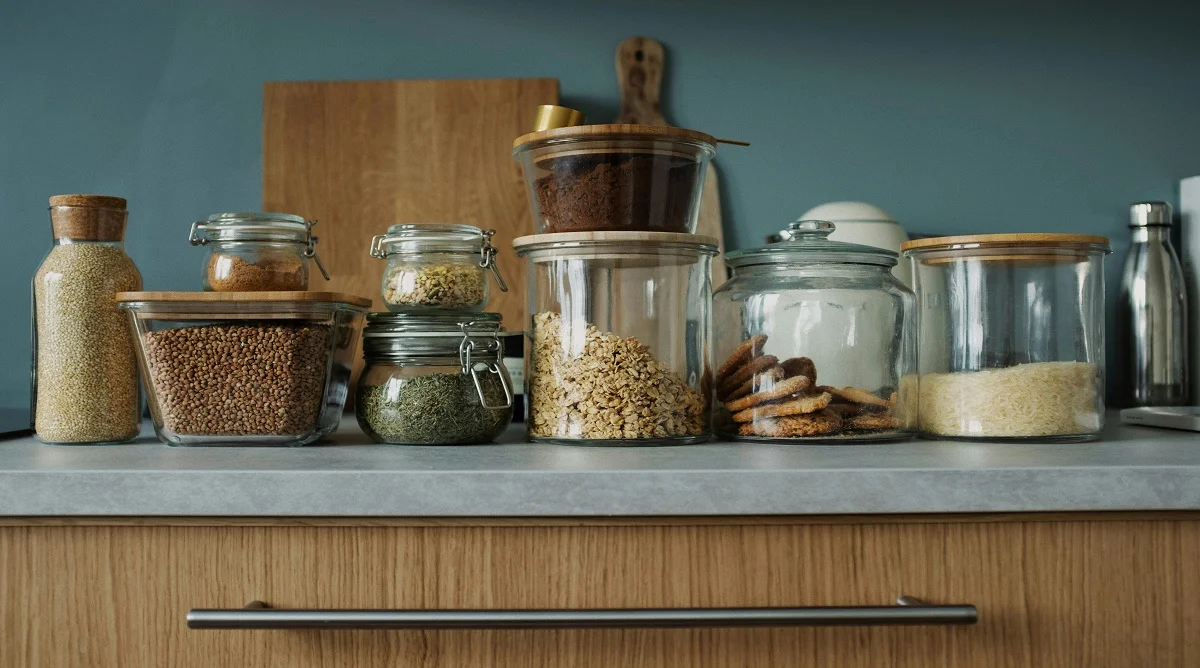
Smart cooking habits can make healthy meals feel much more manageable, especially for people who want to cook more often without spending the whole evening in the kitchen. Most home cooks don’t struggle because they lack good intentions the real challenge is that cooking can feel too tiring, too slow, or too complicated after a long day.
That’s where simple kitchen routines come in. Smart cooking habits cut down the number of steps needed to get dinner on the table and make balanced meals more realistic during busy weeks. In many homes, a few practical systems do far more good than ambitious cooking plans.
Why healthy cooking often feels harder than it should
Cooking becomes stressful when every meal starts from scratch. If ingredients aren’t ready, the kitchen feels cluttered, and dinner hasn’t been decided, even simple meals can feel overwhelming. This is often when people turn to takeout or quick snacks instead.
Smart cooking habits help by lowering the effort required before hunger kicks in. The goal isn’t perfect cooking it’s making useful meals easier to repeat.
1. Prepare ingredients before they are urgently needed
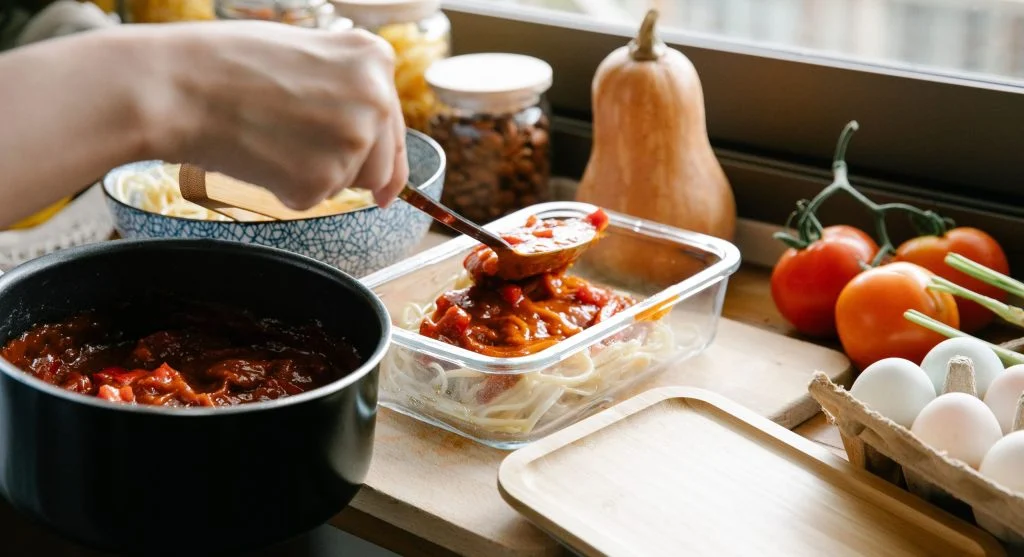
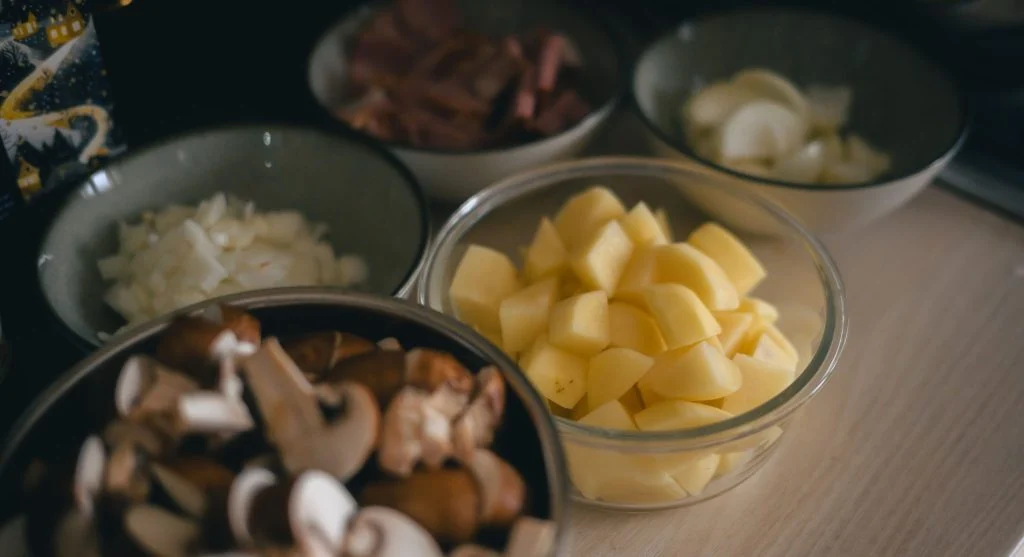
One of the most effective smart cooking habits is prepping a few ingredients ahead of time. Washing greens, chopping onions, cooking rice, or roasting vegetables earlier in the week can save a lot of effort later on.
This doesn’t have to turn into full meal prep. Even having one or two ingredients ready can make weeknight cooking feel far less overwhelming.
2. Keep meals built around simple parts
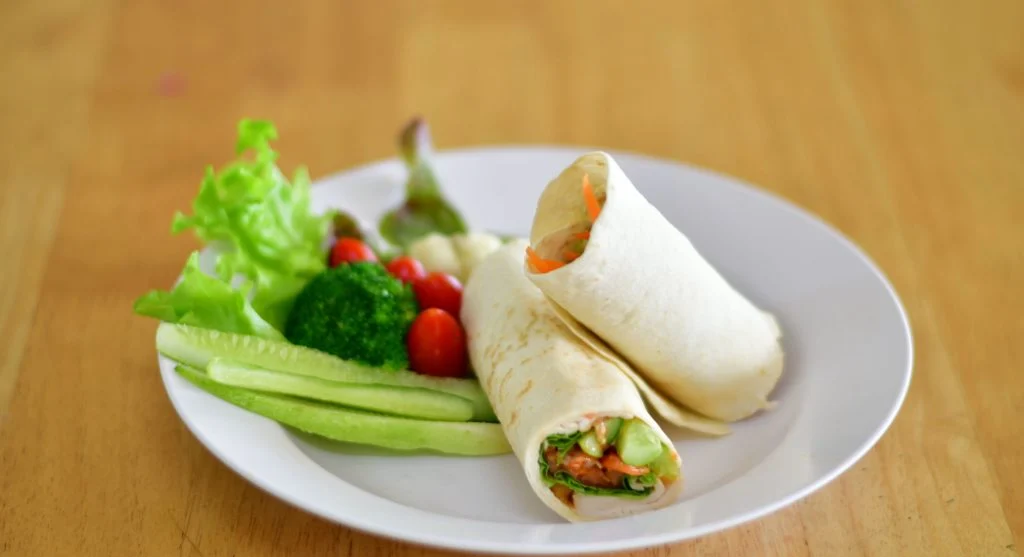
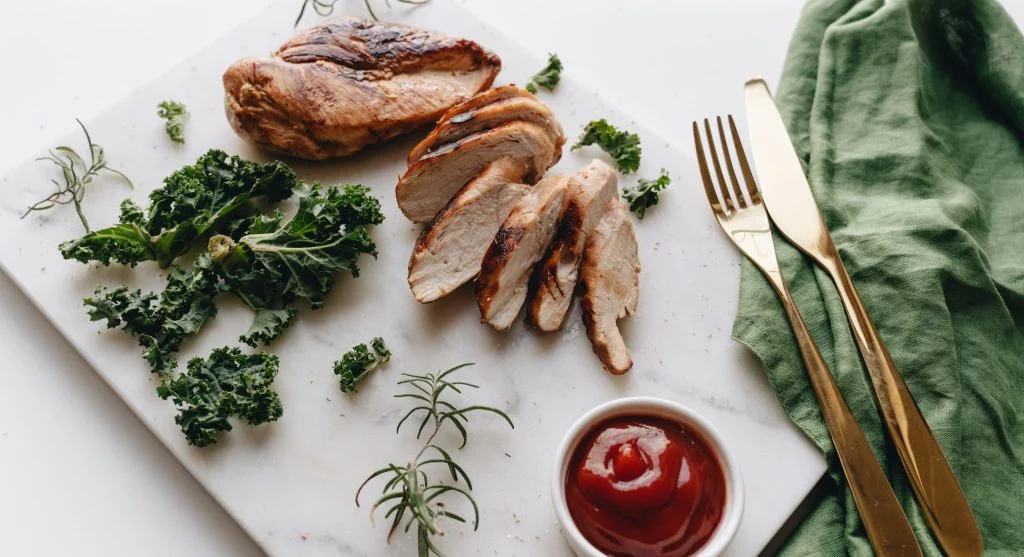
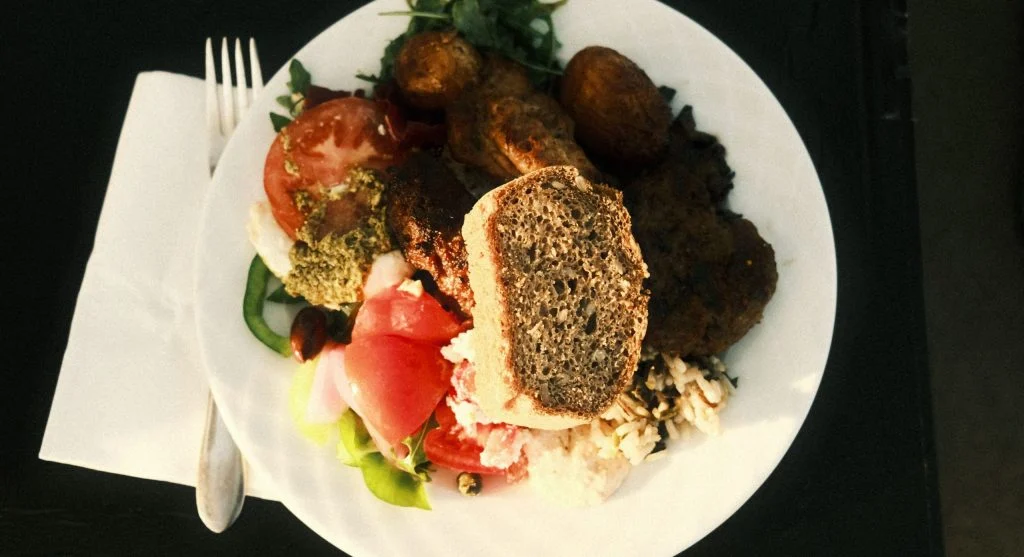
Dinner doesn’t always need a formal recipe. Many meals can come together from a few basic parts: a protein, vegetables, a grain or starch, and something for flavor. That might look like chicken with potatoes and green beans, or rice with beans, roasted vegetables, and salsa.
Smart cooking habits work best when they simplify decisions. A basic meal pattern makes it easier to cook with what’s already at home.
3. Rely on repeat meals instead of constant variety
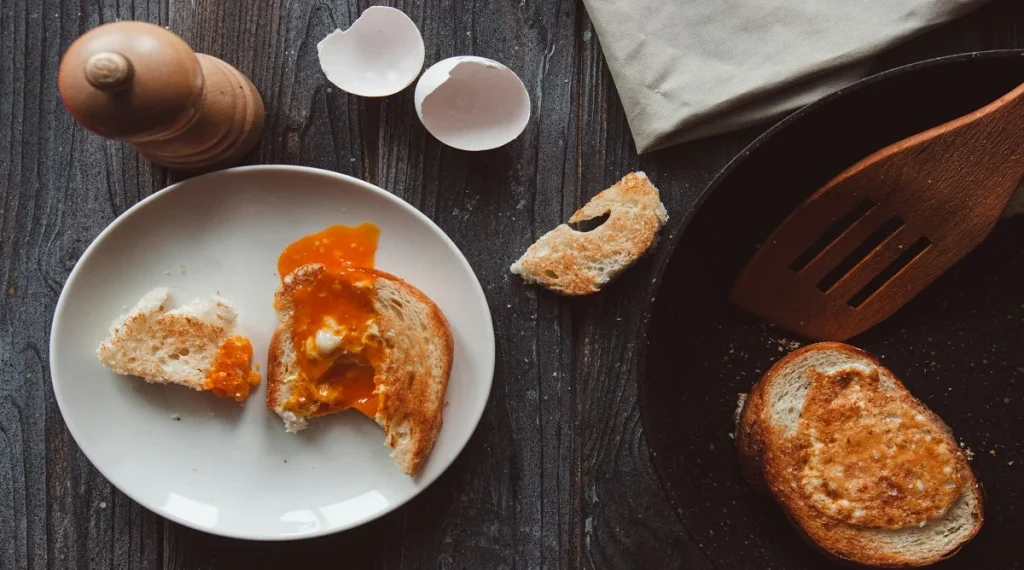
It’s easy to think home cooking has to be different every night to stay interesting, but that often creates unnecessary pressure. In reality, repeating a small set of reliable meals can reduce stress and improve consistency. Stir-fries, sheet-pan dinners, grain bowls, omelets, soups, and simple pasta dishes all work well.
This is one of the most useful smart cooking habits because it cuts down on planning fatigue. Many experts support routine when it helps people stick with healthier choices.

Credit Format: Anna Shvets / pexels
Credit Format: Boryslav Shoot / pexels
Frequently Asked Questions
What are smart cooking habits?
Smart cooking habits are simple kitchen routines that save time, reduce effort, and make healthy meals easier to prepare.
Do healthy meals always need recipes?
No. Many balanced meals can be built from simple parts like protein, vegetables, a grain or starch, and seasoning.
Are convenience foods useful for home cooking?
Yes. Helpful convenience foods can make home cooking more practical and easier to repeat.
Why do backup dinners matter?
They help people handle low-energy nights without turning to random snacks or less balanced last-minute meals.

 Eats PEI