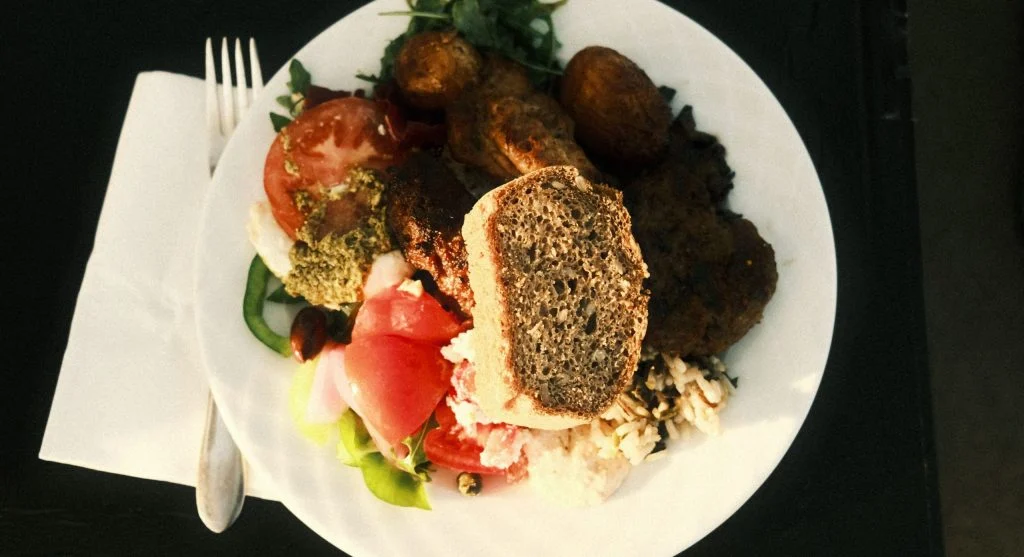
 Darren LeBlanc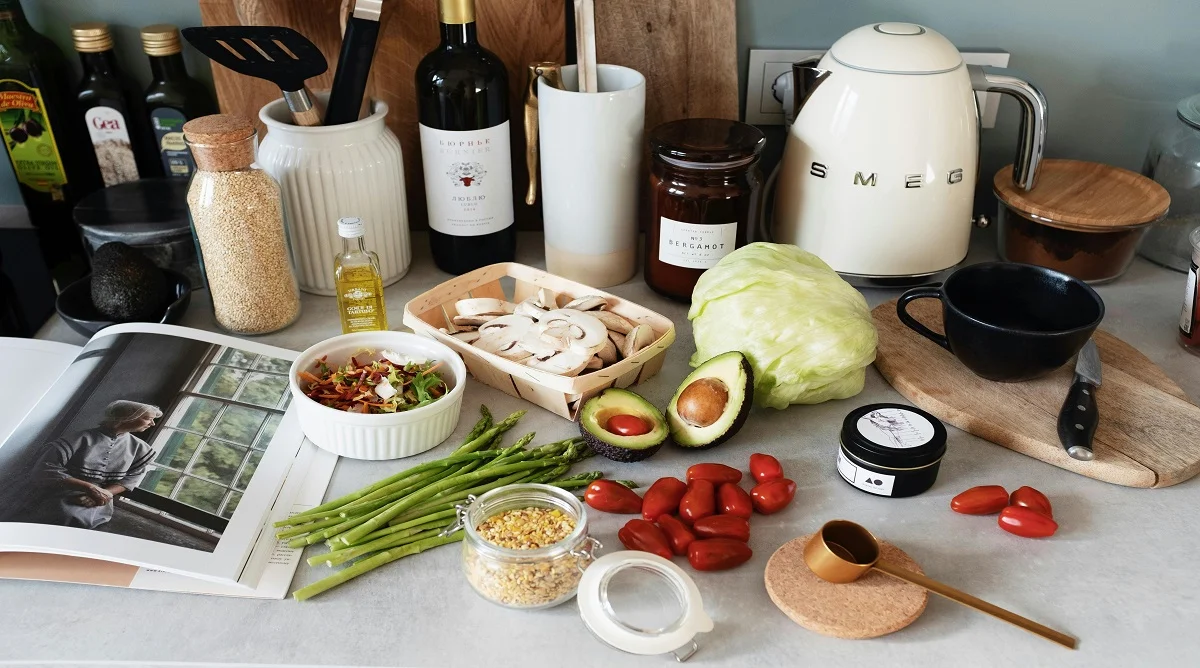
Smart cooking habits can make healthy meals feel much more manageable, especially for people who want to cook more often without spending the entire evening in the kitchen. Many home cooks don’t struggle because they lack good intentions. The real challenge is that cooking can feel too tiring, time-consuming, or complicated after a long day.
That’s why simple kitchen routines matter. Smart cooking habits reduce the number of steps needed to get dinner on the table and make balanced meals more realistic during busy weeks. In many homes, a few practical systems do far more good than ambitious cooking plans.
Why healthy cooking often feels harder than it should
Cooking becomes stressful when every meal starts from scratch. If ingredients aren’t ready, the kitchen feels disorganized, and dinner hasn’t been decided, even simple meals can feel overwhelming. This is often when people turn to takeout or quick snacks instead.
Smart cooking habits help by lowering the effort required before hunger sets in. The goal isn’t to cook perfectly—it’s to make useful meals easier to repeat.
1. Prepare ingredients before they are urgently needed
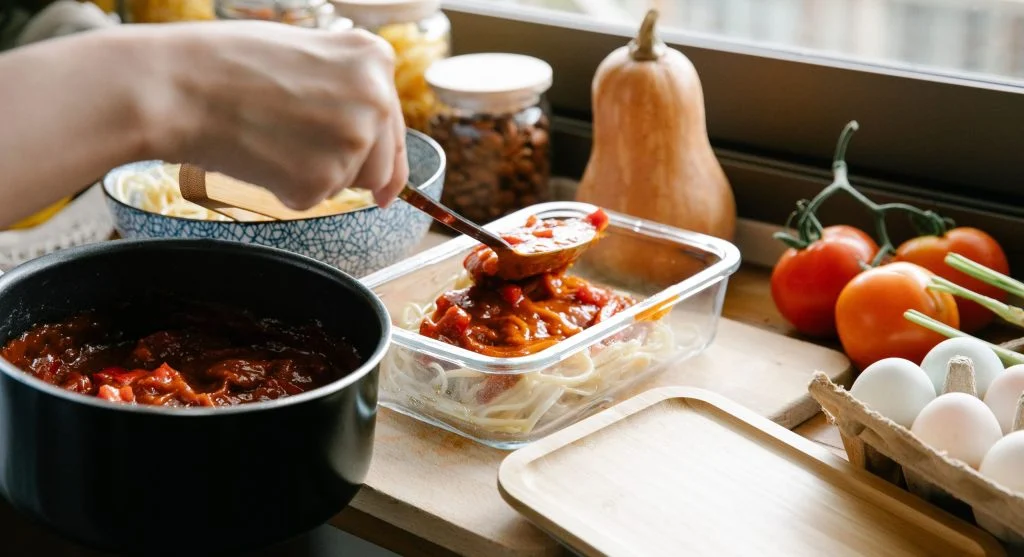
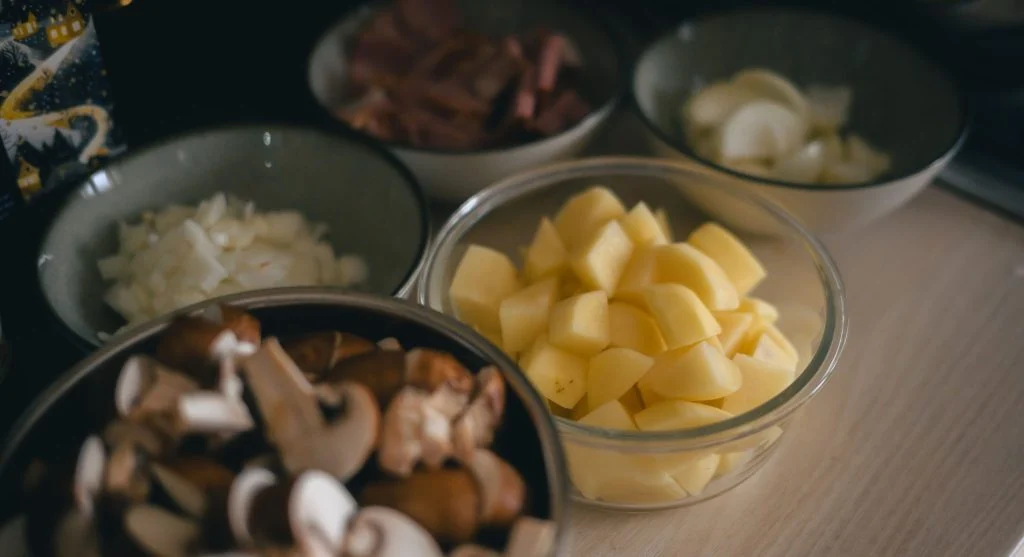
One of the most practical smart cooking habits is prepping a few ingredients ahead of time. Washing greens, chopping onions, cooking rice, or roasting vegetables earlier in the week can save a lot of effort later.
This doesn’t have to turn into full meal prep. Even having one or two ingredients ready can make weeknight cooking feel much more manageable.
2. Keep meals built around simple parts
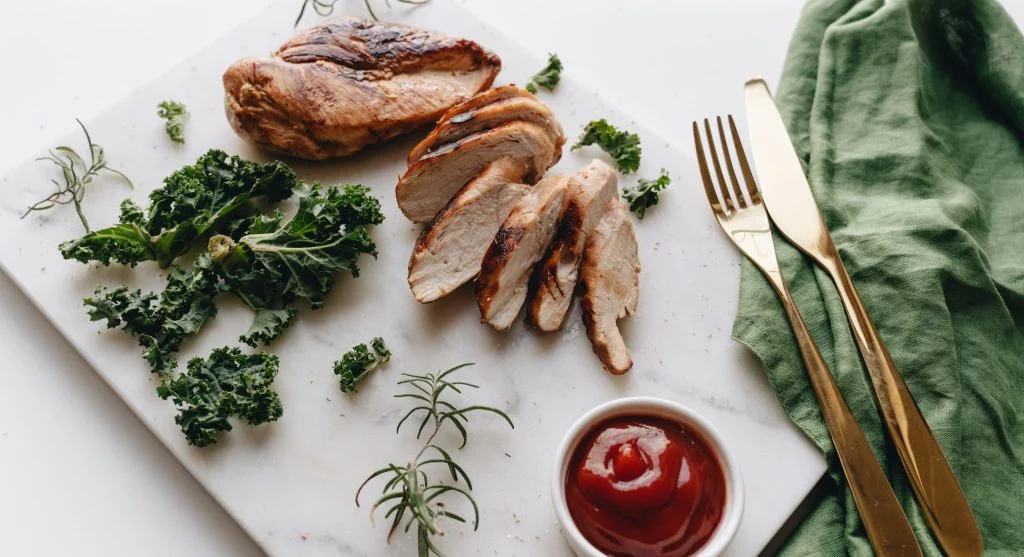
Dinner doesn’t always need a formal recipe. Many meals can be built from a few basic parts: a protein, vegetables, a grain or starch, and something for flavor. This might look like chicken with potatoes and green beans, or rice with beans, roasted vegetables, and salsa.
Smart cooking habits often work best when they reduce decision-making. A simple meal pattern makes it easier to cook with what’s already on hand.
3. Rely on repeat meals instead of constant variety
It’s easy to think home cooking needs to be different every night, but that can create unnecessary pressure. In reality, repeating a short list of reliable meals often makes things easier. Stir-fries, sheet-pan dinners, grain bowls, omelets, soups, and simple pasta dishes are all strong options.
This is one of the most useful smart cooking habits because it reduces planning fatigue. Many experts support routine when it helps people stick with healthier choices.
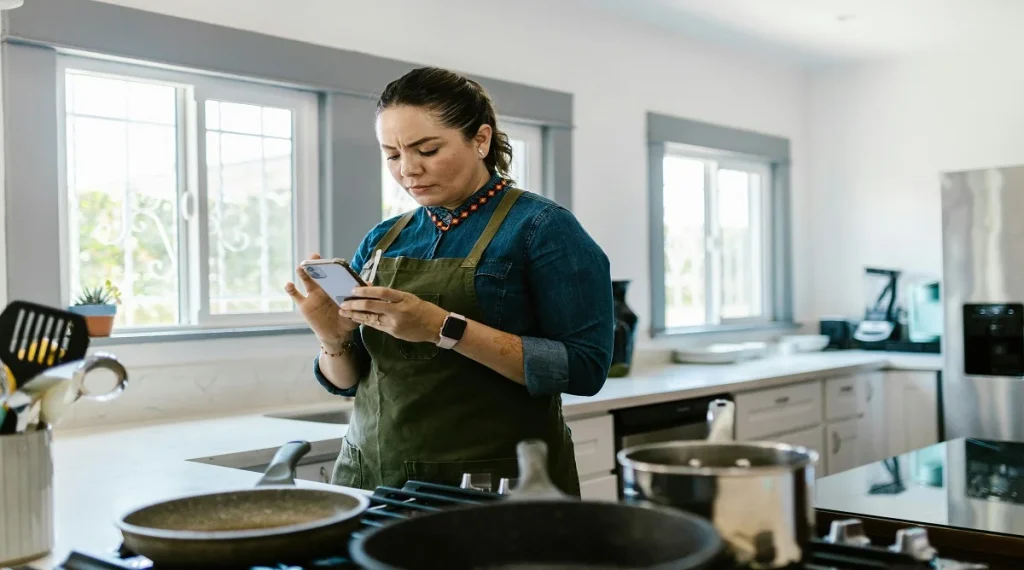
Credit Format: RDNE Stock project / pexels
4. Use the freezer more intentionally
The freezer can be one of the most useful tools in a busy kitchen. Frozen vegetables, fruit, cooked grains, bread, and even leftovers can help speed up cooking and cut down on waste.
Public health nutrition guidance often supports frozen produce as a practical option. Many smart cooking habits rely on keeping a few dependable freezer staples ready for low-energy nights.
5. Let convenience foods work in your favor
Convenience foods aren’t always a drawback—in many cases, they make home cooking possible. Bagged salads, canned beans, rotisserie chicken, jarred tomato sauce, microwavable grains, and pre-cut vegetables can all help you put together balanced meals with less effort.
Healthy eating becomes easier when it fits into real schedules. That’s why smart cooking habits often include helpful shortcuts instead of avoiding them altogether.
6. Cook enough once to help future meals
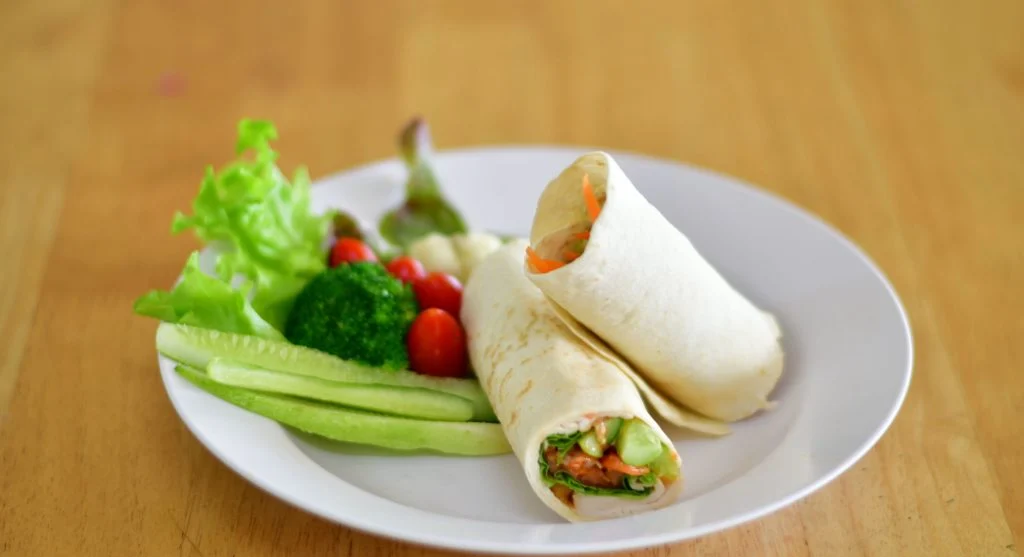
Cooking feels more worthwhile when it helps with more than one meal. Extra roasted vegetables can be added to lunch bowls. Extra chicken can turn into wraps the next day. Extra rice can become a quick dinner later in the week.
This is one of the most effective cooking habits because it reduces future effort without adding much extra work in the moment.
7. Keep flavor simple but reliable
Meals are easier to repeat when they taste good. Flavor doesn’t have to come from complex sauces. Simple ingredients like garlic, lemon, herbs, olive oil, yogurt-based sauces, salsa, mild spice blends, and vinegar can quickly improve everyday meals.
Many people lose motivation to cook because their food feels bland. Smart cooking habits help avoid that by keeping a few easy flavor options on hand.
8. Keep one backup dinner for hard nights
Every kitchen benefits from having a low-effort dinner ready for nights when energy is low. This could be eggs on toast, pasta with tuna and peas, soup with a sandwich, or rice with beans and frozen vegetables. It doesn’t need to be exciting—just dependable.
Many dietitians recommend simple fallback meals because they help prevent stressful evenings from turning into chaotic or unbalanced eating.
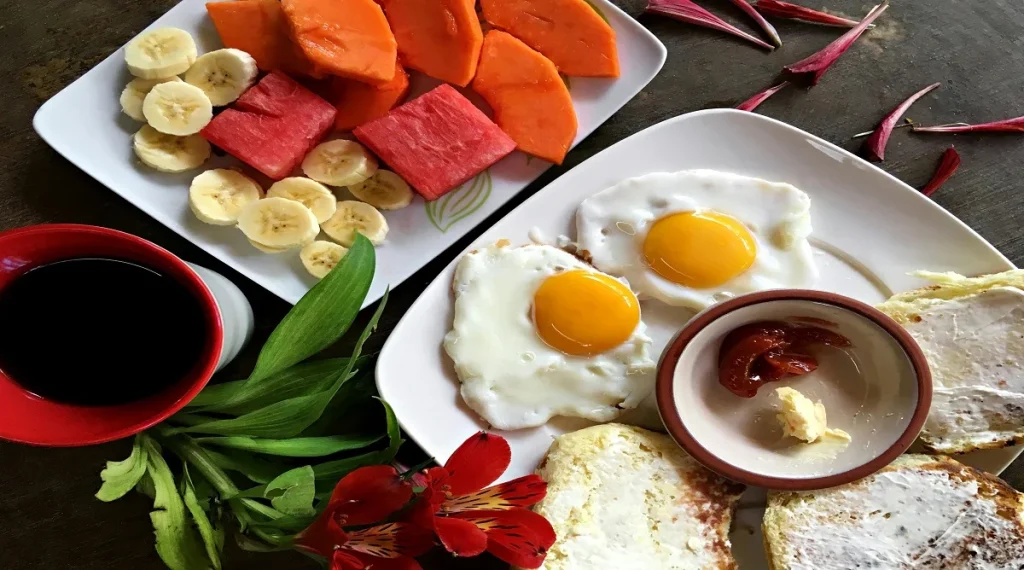
Credit Format: DΛVΞ GΛRCIΛ / pexels
9. Clean as you go when possible
A messy kitchen can make cooking feel more stressful than it needs to be. Taking a moment to clean a few items while food is cooking can make a big difference by the end of the meal and make it easier to start again the next day.
It may seem like a small habit, but small habits are often what make routines stick. Less cleanup usually means less resistance to cooking later.
10. Stop aiming for perfect homemade meals
One of the biggest barriers to cooking at home is the idea that every meal should be impressive or completely made from scratch. That expectation can make cooking feel exhausting before it even begins. A useful meal can still be simple, repetitive, or partly built with convenience foods.
Many experts emphasize consistency over perfection. Smart cooking habits are meant to make healthy meals possible on regular days, not just ideal ones.
How smart cooking habits support better eating
Cooking at home becomes easier when there’s less friction between hunger and the meal. Prepared ingredients, simple routines, freezer staples, and easy flavor options all help close that gap. In everyday life, that’s often what matters most.
Smart cooking habits don’t need to look impressive. They just need to help people prepare balanced meals with less stress and more consistency.
Frequently Asked Questions
What are smart cooking habits?
Smart cooking habits are simple kitchen routines that save time, reduce effort, and make healthy meals easier to prepare.
Do healthy meals always need recipes?
No. Many balanced meals can be built from simple parts like protein, vegetables, a grain or starch, and seasoning.
Are convenience foods useful for home cooking?
Yes. Helpful convenience foods can make home cooking more practical and easier to repeat.
Why do backup dinners matter?
They help people handle low-energy nights without turning to random snacks or less balanced last-minute meals.

 Eats PEI