 Darren LeBlanc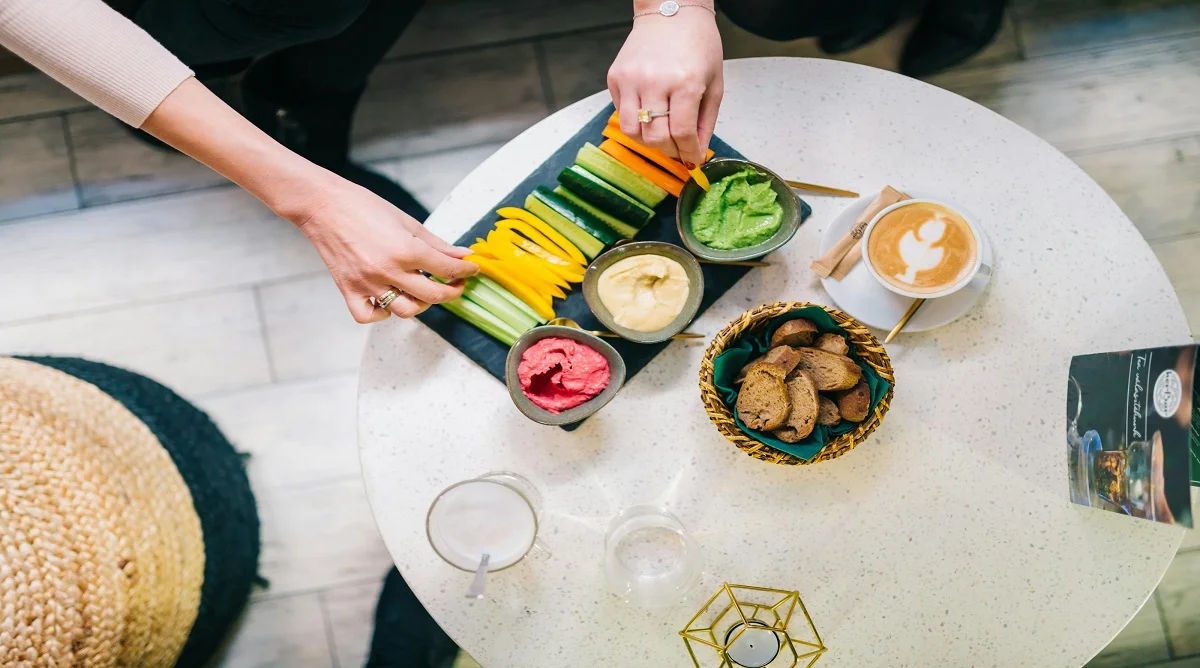
Food myths about snacking can make everyday eating feel more complicated than it needs to be. Some people are told that snacks are always unhealthy, while others hear that everyone should snack several times a day. In reality, the truth is usually more practical than either extreme.
For many people, snacks can be helpful when they fill a genuine gap between meals. What matters most isn’t the label of “snack,” but the reason for eating, the timing, and the types of foods chosen. Looking more closely at these food myths can make it easier to approach hunger and daily routines with less stress.
Why snack advice often feels confusing
Snack advice is often shared in simple, dramatic statements. People hear rules like “never snack after lunch” or “snacks ruin your appetite,” but those ideas rarely reflect real life. Meal timing, hunger levels, work schedules, and activity can vary widely from person to person.
That’s why food myths about snacking spread so easily. They sound clear and easy to follow, but they leave out the context that actually matters.
1. Snacking is always unhealthy
This is one of the most common food myths. A snack isn’t automatically unhealthy just because it’s eaten between meals. In many cases, a well-chosen snack can help manage hunger and support better decisions later in the day.
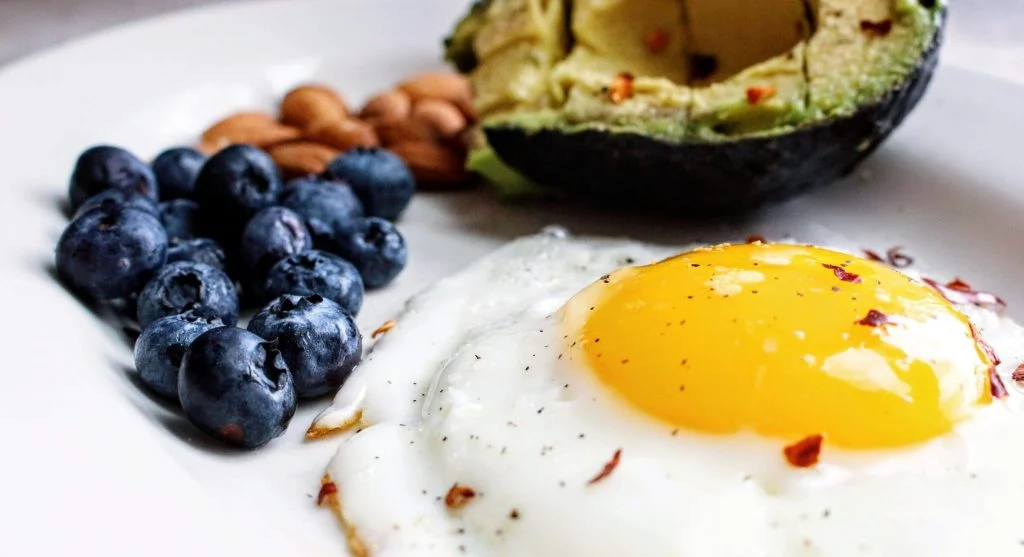
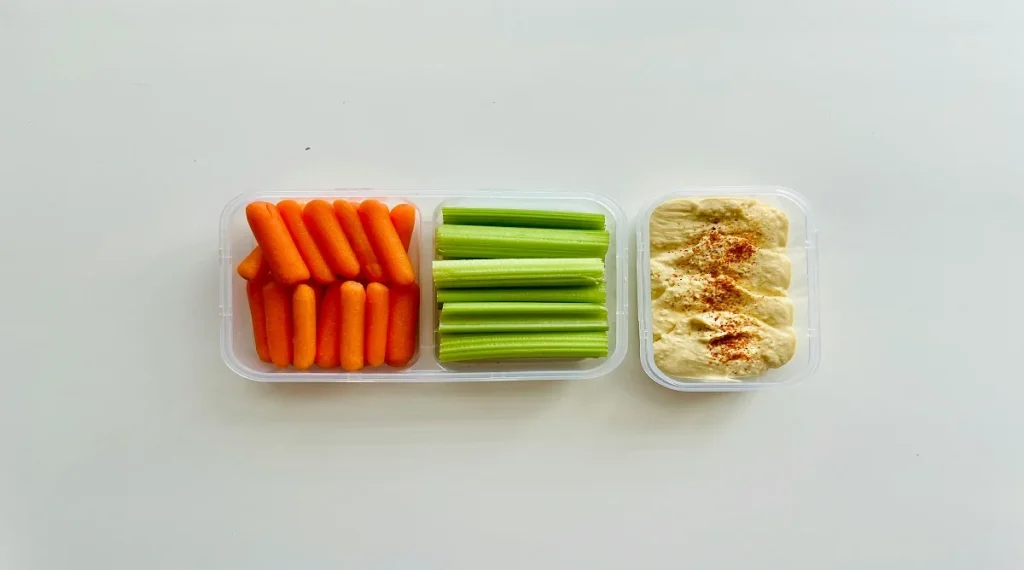
Options like a boiled egg with fruit, yogurt with berries, hummus with vegetables, or nuts with a piece of fruit can all be balanced choices. The more important question is whether the snack is helping the day or just happening out of habit.
2. People should never feel hungry between meals
Another confusing idea is that hunger between meals is always a problem. In reality, hunger is simply a normal signal from the body. Sometimes it means more time has passed than expected. Other times it reflects that the previous meal didn’t provide enough balance or staying power.
Feeling hungry doesn’t automatically mean something went wrong. It may just mean it’s time to eat. Many dietitians encourage treating hunger as useful information rather than a failure.
3. Eating snacks ruins appetite for meals
Snacks can influence appetite, but that’s not necessarily negative. A balanced snack can actually prevent someone from becoming overly hungry before the next meal, which can support more controlled portions and steadier choices.
Problems usually arise when snacks are eaten too close to meals or are large enough to replace them unintentionally. This is where many food myths miss the point—timing and portion size make the difference.
Credit Format: Elina Volkova / pexels
4. Only low-calorie snacks are good snacks
Many people assume the “best” snack is the one with the fewest calories, but that idea can be misleading. A very small snack that doesn’t satisfy hunger may just lead to eating more later. In many cases, a more balanced snack with protein, fiber, or healthy fats is far more useful.
Food myths often focus on numbers without considering whether the food actually meets a person’s needs. A good snack should serve a purpose, not just look light on paper.
5. Fruit is the only smart snack choice
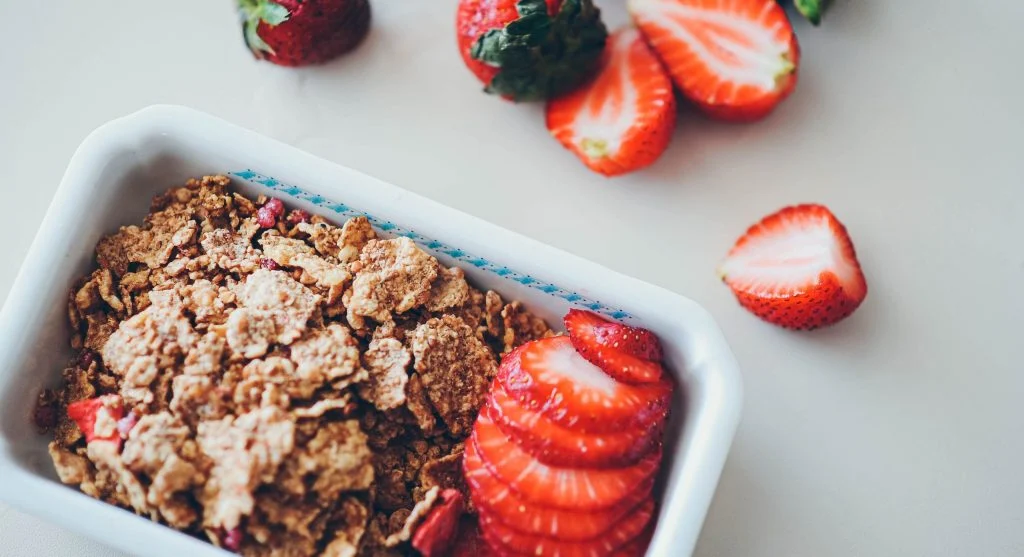
Fruit can be a great snack, but it doesn’t have to be the only option. Some people feel satisfied with fruit on its own, while others need something more substantial. Pairing fruit with yogurt, nuts, cheese, or nut butter can make it more balanced.
This is why food myths about “perfect snacks” can be limiting. Different people and routines call for different choices.
6. Late-day snacks are always bad
Another common myth is that eating later in the day is automatically unhealthy. The time on the clock doesn’t determine whether a snack is useful. If dinner is late, lunch was early, or someone is genuinely hungry, a snack can make sense.
What matters more is the type of snack and how it fits into the rest of the day. A balanced evening snack is very different from mindless eating out of habit.
7. Packaged snacks are always worse than homemade snacks
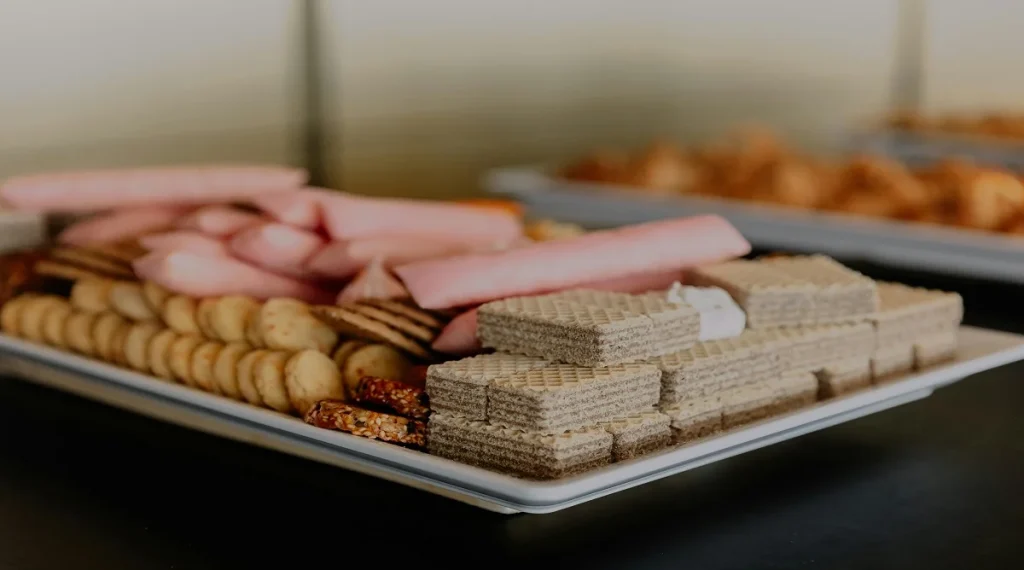
Homemade snacks can be great, but packaged foods aren’t always a problem. Some packaged options can still fit into a balanced routine, especially when they’re practical and easy to keep on hand. Plain popcorn, whole-grain crackers, yogurt cups, and simple nut packs are good examples.
Public health guidance often supports practical choices when they help people stick to healthier habits. Food myths can make it seem like convenience and health can’t go together, but that’s not always true.
8. Snacking means someone lacks discipline
This is one of the more harmful food myths because it turns a normal behavior into a judgment. People snack for many reasons long gaps between meals, activity levels, busy schedules, or real hunger. None of these automatically reflect poor habits.
In fact, thoughtful snacking can be part of a balanced day. What matters is whether the snack serves a useful purpose.
9. All cravings should be ignored
Cravings don’t always need to be treated as something to fight. Sometimes they’re linked to hunger, fatigue, or simply wanting something enjoyable. Ignoring them completely can backfire if it leads to overeating later.
In some cases, a balanced snack that also feels satisfying can be a better approach than following strict rules. This is another way food myths can make eating feel harder than it needs to be.
What actually matters about snacks
Instead of relying on strict snack rules, it often helps to ask a few simple questions. Am I actually hungry? Has it been a while since I last ate? Will this snack help me stay steady until my next meal? Does it include something filling, like protein, fiber, or healthy fats?
These kinds of questions tend to be more useful than broad rules. They support a more flexible, realistic way of eating that fits everyday life.
Frequently Asked Questions
Are snacks always unhealthy?
No. Snacks can be part of a balanced day when they help manage real hunger and include useful foods.
What makes a snack more satisfying?
Snacks with protein, fiber, or healthy fats often feel more filling than snacks made mostly of refined sugar or starch.
Can evening snacks fit into healthy eating?
Yes. An evening snack can fit into healthy eating when it responds to real hunger and is balanced in a practical way.
Do packaged snacks always need to be avoided?
No. Some packaged snacks can still be useful when they support better habits and fit the rest of the day.

 Eats PEI