 Darren LeBlanc
Smart cooking habits are not only useful for breakfast, lunch, and dinner. They can also make snacks much easier to manage. Many people feel most unprepared when hunger appears between meals, because snacks are often the least planned part of the day.
That is why practical snack prep matters. Smart cooking habits can help people keep balanced options ready without turning snack preparation into a large project. In many homes, a few simple systems are enough to make snacks more useful, more organized, and easier to reach when they are actually needed.
Why snack prep often gets ignored
Snacks are easy to treat as an afterthought. People often focus on planning breakfast, lunch, and dinner, then assume snacks will work themselves out. But when hunger shows up unexpectedly, the easiest food nearby often becomes the default choice.
This is where smart cooking can help. A little preparation ahead of time can reduce random snacking and make it easier to choose foods that actually support hunger between meals.
1. Prep only a few snack basics instead of everything
One of the most useful smart cooking habits is keeping snack prep small. There is usually no need to prepare a full week of finished snack boxes. Washing fruit, boiling a few eggs, portioning nuts, or setting out yogurt cups may already be enough.
This makes the process feel manageable. In many cases, simple prep is easier to maintain than trying to prepare every snack in full.
2. Build snacks from simple parts
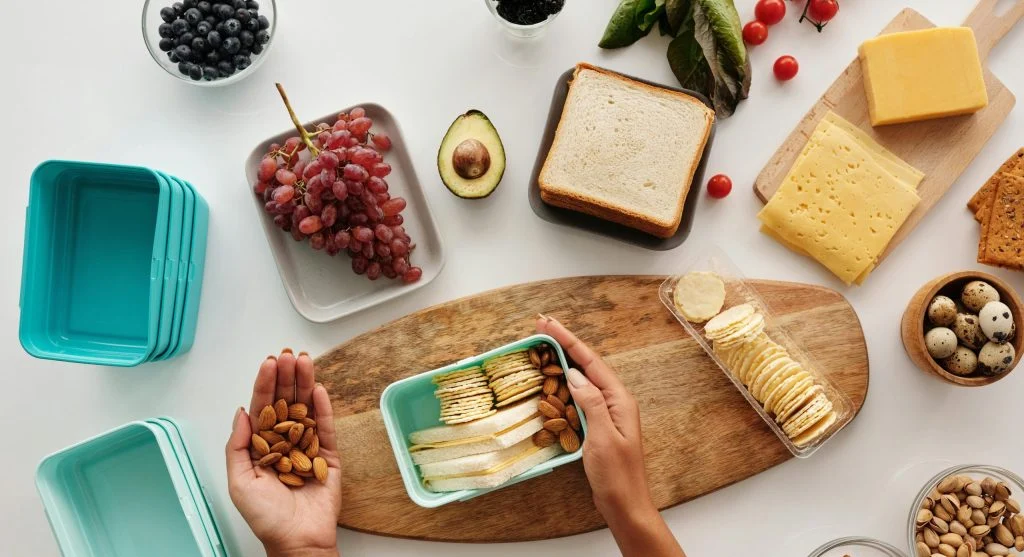
A practical snack often becomes easier to prepare when it is built from a few repeatable parts. Protein plus fruit works well. Crackers plus cheese works well. Hummus plus vegetables works well too. This kind of structure makes snacks easier to assemble without much thought.
This is one of the clearest smart cooking habits because it reduces the need to invent something new every time hunger shows up.
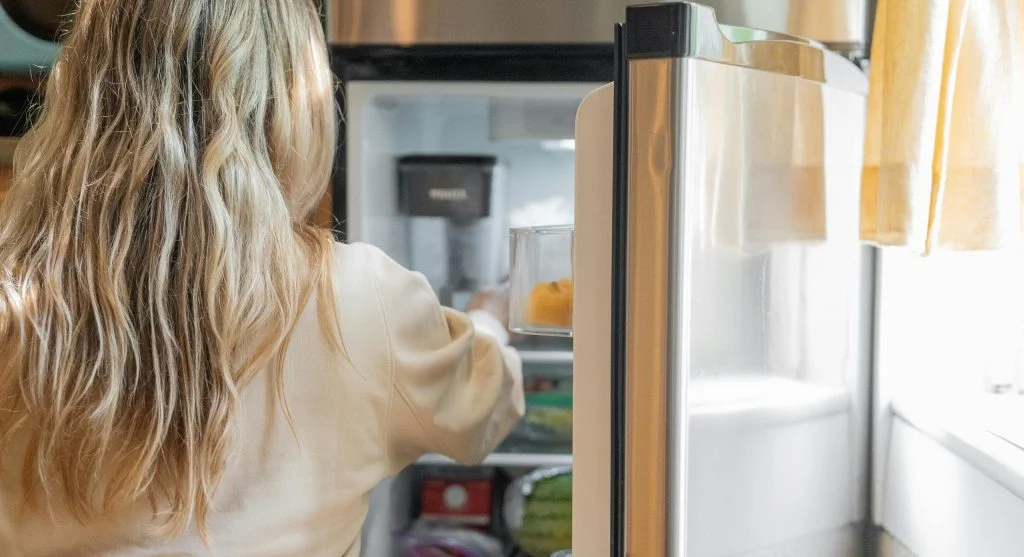
3. Keep one protein snack ready in the fridge
Protein often helps snacks feel more useful, which is why it helps to keep at least one ready-to-go option available. Boiled eggs, Greek yogurt, cottage cheese, hummus, or small cheese portions are all strong examples.
This is one of the most practical smart cooking habits because protein is often the difference between a snack that helps and a snack that disappears too quickly.
4. Wash and portion fruit before it is needed
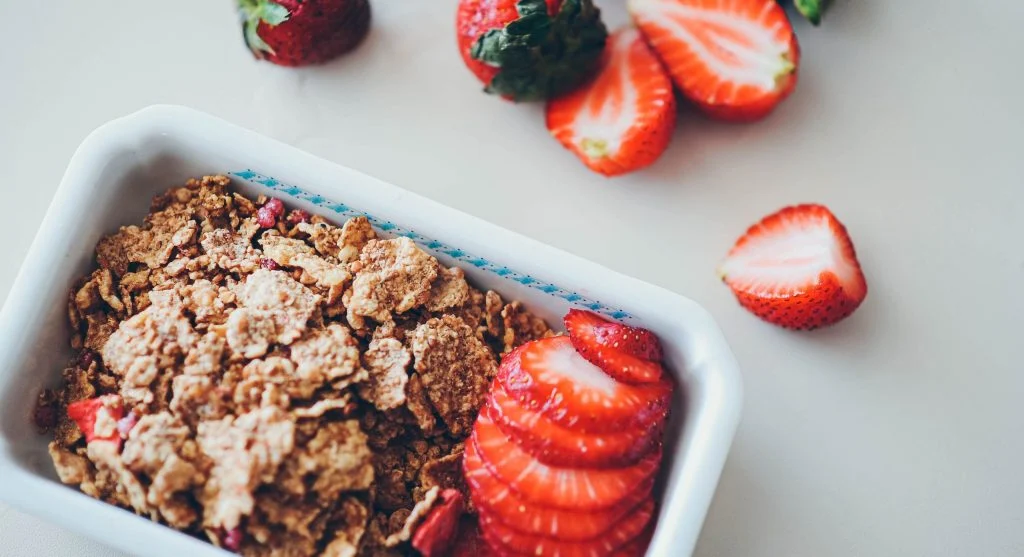
Fruit is much easier to use when it is already washed, visible, and simple to grab. Grapes can be rinsed and portioned. Berries can be stored in easy containers. Apples and bananas can be placed where they are easy to see.
This is one of those smart cooking habits that seems small, but it often changes what people actually choose when they need a quick snack.
5. Let chopped vegetables work for both meals and snacks
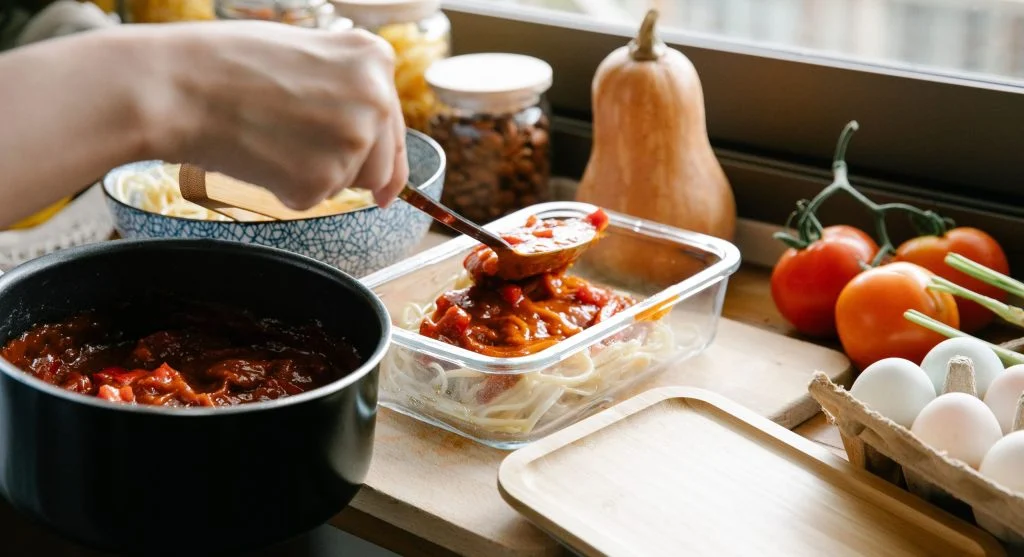
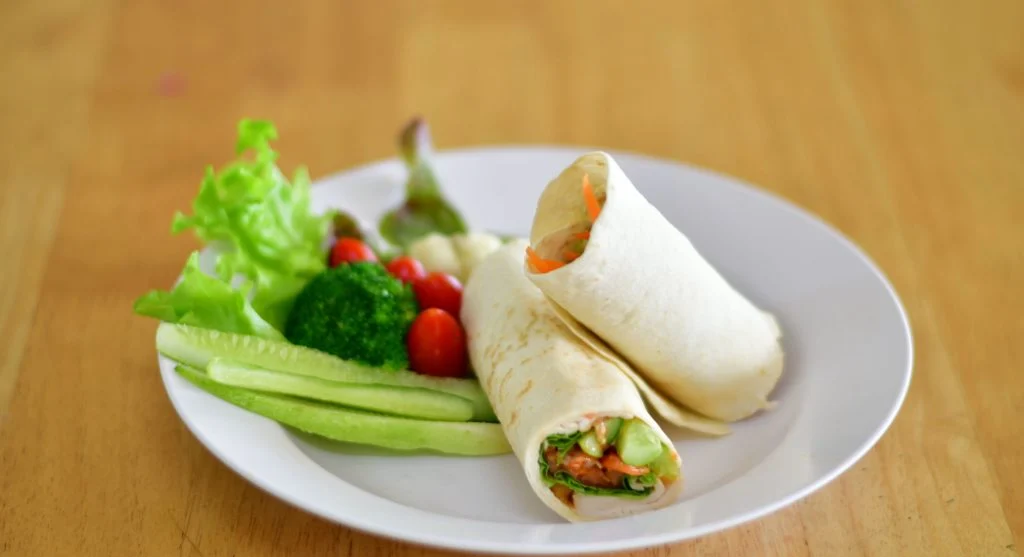
Vegetables prepared for lunch or dinner can also make snack prep easier. Cucumbers, carrots, peppers, and celery can be used in wraps, bowls, and side dishes, then also work as quick snack options with hummus or yogurt-based dips.
This makes prep more efficient because one cutting session supports more than one eating moment during the day.
6. Use small containers to reduce hassle
Snack prep becomes much more practical when the storage setup is easy to use. Small containers, reusable snack bags, or divided boxes can help portion nuts, crackers, fruit, or chopped vegetables without much effort.
This is one of the more overlooked smart cooking habits, but it matters. When storage is simple, snack prep is much more likely to happen again.
7. Keep one shelf or zone just for snack foods
Some kitchens feel disorganized around snacks because everything is spread out. Keeping one part of the fridge or pantry for snack foods can help. Yogurt, fruit, hummus, boiled eggs, nuts, and crackers all become easier to use when they stay in one predictable area.
Smart cooking often works best when the kitchen supports the habit. A useful setup can reduce effort every single day.
8. Prep for different hunger levels, not just one type of snack
Not every snack needs to be the same size. A lighter hunger gap may only need fruit and yogurt. A stronger one may need eggs with crackers or a small leftover mini meal. Smart snack prep works better when there is more than one level of option ready.
This is one of the smartest cooking habits because it matches real life better than expecting one snack to work for every situation.
9. Use leftovers when they make more sense than snack foods
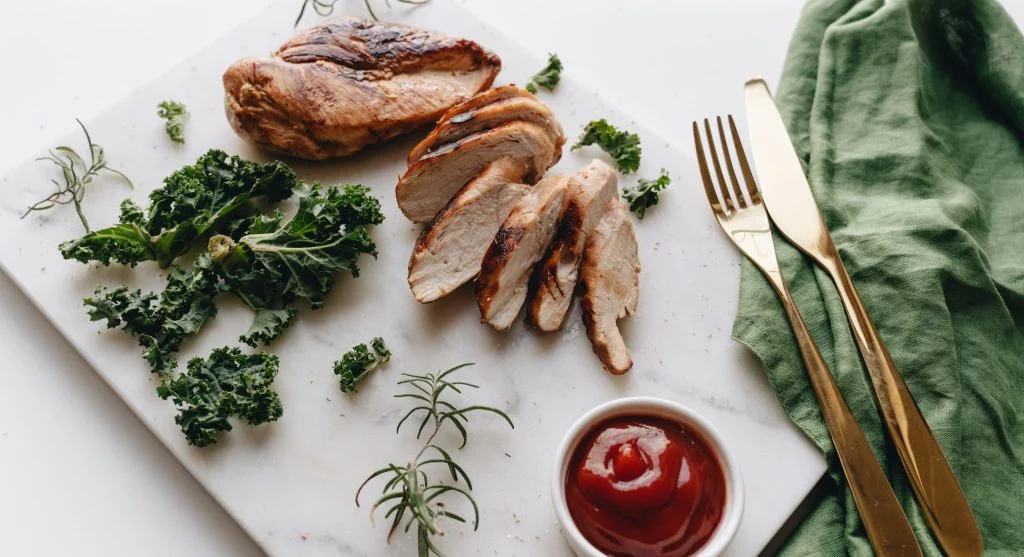
Sometimes the best prepared snack is not a classic snack at all. A small portion of leftover soup, rice and beans, pasta salad, or roasted vegetables with chicken can be more useful than lighter foods when hunger is stronger. These mini meals often require less extra prep than people think.
This is one of the most flexible smart cooking habits because it reduces waste and supports real hunger more effectively.
How smart cooking makes snack prep easier
Snack prep becomes practical when it stops trying to be perfect. A few ready foods, a little structure, and a storage setup that is easy to use are often enough. The goal is not to create a full snack system that feels complicated. The goal is to make better options easier to choose when hunger shows up.
That is what makes smart cooking so useful. It lowers effort without removing balance, which is often exactly what daily snacking needs.
Frequently Asked Questions
What are smart cooking habits for snack prep?
They are simple kitchen routines that make snacks easier to prepare, store, and use during the week.
Does snack prep need to happen for the whole week?
No. Even preparing a few snack basics ahead of time can make daily eating much easier.
Why do protein snacks help so much?
They often make snacks feel more satisfying and can help support hunger better than lighter snack foods alone.
Can leftovers work as snacks?
Yes. Small leftover portions can sometimes work better than traditional snacks when hunger is stronger.
Key Takeaway
Smart cooking habits can make snack prep much more practical by reducing how much work needs to happen when hunger appears. A few prepared basics, some protein options, easy-to-reach fruit and vegetables, and a simple storage setup can all support better daily snacking. Many experts support practical food systems over perfect plans. In everyday life, the best snack prep routine is usually the one that feels easy enough to keep using.

 Eats PEI