 Darren LeBlanc
Food myths about grocery shopping can make healthy eating feel much more confusing than it really is. Many people walk into a store with good intentions, only to feel pulled in different directions by labels, trends, and strong opinions about which foods belong in a “healthy” cart.
In reality, good grocery habits are often much simpler than popular advice suggests. Looking closely at common food myths can help people shop with more confidence and focus on foods that actually support daily meals instead of chasing confusing rules.
Why grocery shopping creates so much confusion
Stores are full of products that promise energy, wellness, better nutrition, or cleaner eating. This can make it seem as though every food choice carries a major health decision. Many people end up comparing labels for too long or avoiding practical foods because they do not sound impressive enough.
This is where food myths often become powerful. They turn ordinary shopping into a stressful experience, even when the best choices are usually simple, balanced, and easy to use at home.
1. Healthy grocery shopping means buying only fresh foods
This is one of the most common food myths in grocery shopping. Fresh foods can be excellent, but they are not the only useful option. Frozen vegetables, frozen fruit, canned beans, canned fish, and simple shelf-stable staples can all support healthy meals.
For many households, frozen and canned foods are more practical because they last longer and reduce food waste. Public health nutrition advice often supports these options as realistic parts of a balanced diet.
2. A healthy cart should avoid all packaged foods
Another one of the most common food myths is the idea that packaged foods are automatically unhealthy. In reality, many useful foods come in packages. Whole-grain bread, yogurt, oats, canned beans, frozen vegetables, and plain popcorn are all packaged foods that can support balanced eating.
The better question is whether the food is practical, balanced, and helpful for real meals. Packaging alone does not tell the whole story.
3. Expensive health foods are always better
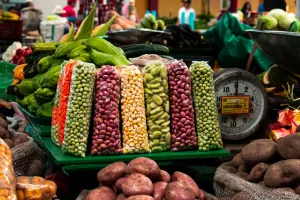
This myth can make grocery shopping feel discouraging. Many people assume they need costly powders, specialty snacks, or wellness-branded products to eat well. But everyday foods like oats, eggs, potatoes, rice, beans, lentils, yogurt, and fruit can offer strong nutrition without a high price tag.
Research and public health guidance often support simple staple foods because they are affordable, practical, and easy to build meals around. This is one of the food myths that often leads people away from what is actually most useful.
Credit: Daniel Pacheco / Pexels
4. The healthiest foods always have the shortest ingredient lists
Simple ingredient lists can be useful, but this rule can be too rigid. Some foods with slightly longer ingredient lists can still fit well into a balanced routine. Bread, cereal, yogurt, soup, and frozen meals may still be helpful depending on the product and the overall diet.
Food myths often reduce shopping to one rule when real life needs more context. Ingredient lists matter, but usefulness matters too.
5. Grocery shopping should focus on avoiding foods, not building meals
Many shopping habits become stressful when the main goal is simply avoiding “bad” foods. A more helpful approach is to think about what foods can actually build breakfast, lunch, dinner, and snacks. Shopping becomes easier when the cart is built around meal support instead of fear.
This is one of the food myths that often makes better eating harder than it needs to be. A cart full of foods people can turn into meals is usually more helpful than a cart based only on restrictions.
6. Healthy grocery shopping requires a different list every week
Some people feel pressure to buy new foods all the time in order to eat well. In reality, repetition is often one of the smartest shopping habits. Repeating staple foods like eggs, oats, rice, beans, yogurt, fruit, and vegetables can make meal planning easier and reduce wasted food.
Experts often support repeatable routines because they lower decision fatigue. This is one of the food myths that makes shopping feel more complicated than it needs to be.
7. Foods with health claims are always the best choice
Labels such as “high protein,” “natural,” “low sugar,” or “clean” can sound helpful, but they do not always tell the full story. Some foods with strong marketing claims may still be less useful than simpler options nearby.
Food myths often grow from trusting front-of-package messages too quickly. A better habit is to consider the whole food, how it fits the meal, and whether it supports the person’s real routine.
8. A good grocery trip should look perfect
This myth quietly causes a lot of stress. Real grocery carts do not need to be flawless to support healthy eating. A balanced cart may include practical convenience foods, favorite treats, staple ingredients, and a mix of fresh, frozen, and packaged items.
Many experts support flexible routines because they are easier to maintain. Food myths often push people toward all-or-nothing thinking, which rarely helps in the long run.

Credit: Edward / Pexels
9. Grocery shopping is healthy only if it takes a lot of planning
Planning can help, but it does not need to be complicated. A short list of staple foods, a few meal ideas, and one or two backup options are often enough. Overplanning can make shopping feel like a bigger task than it needs to be.
This is one of the food myths that can stop people from improving simple habits. In many cases, a practical list works better than a perfect plan that is too hard to follow.
What matters more than grocery myths
A useful grocery trip often comes down to a few practical questions. What proteins will support meals this week? What produce is realistic to use? Which grains or starches help build easy breakfasts, lunches, or dinners? What snacks will actually help when hunger shows up between meals?
These questions are often much more helpful than strict shopping rules. They focus on what will support real eating habits once the groceries come home.
Frequently Asked Questions
What are food myths in grocery shopping?
They are oversimplified beliefs that can make people think healthy shopping must follow strict or unrealistic rules.
Do healthy groceries need to be expensive?
No. Many affordable staples can support balanced meals just as well as expensive specialty products.
Are frozen and canned foods good grocery choices?
Yes. They can be practical, nutritious, and useful for reducing food waste.
Does a healthy grocery cart need to be perfect?
No. A useful grocery cart is usually one that supports real meals and realistic routines.
Key Takeaway
Food myths about grocery shopping often make healthy eating feel stricter and more expensive than it really is. In practice, balanced shopping usually works best when it focuses on staple foods, realistic produce choices, flexible meal ingredients, and routines that fit everyday life. Many experts support practical consistency over perfect carts. In daily life, a helpful grocery trip is usually the one that makes meals easier later on.

 Eats PEI