 Darren LeBlanc
Why lunch packing often feels harder than it should
Lunch packing sounds simple in theory, but it can feel difficult when mornings are rushed or when there is no clear plan for what to pack. Some lunches end up too small, while others take too much time to prepare. In many cases, the real issue is not effort. It is a lack of simple structure.
Better eating habits help solve that by making lunch part of a routine instead of a daily puzzle. When the same small systems are repeated, packing lunch becomes much more manageable.
1. Pack lunch around one main item first
One of the most useful better eating habits is starting with one main lunch item instead of trying to build the whole meal at once. That main item might be a wrap, a rice bowl, leftover pasta, a sandwich, or a soup container.
Once the main part is chosen, it becomes easier to add a side such as fruit, yogurt, vegetables, or a small snack. This keeps the process simple and reduces decision stress.
2. Use leftovers as the starting point
Leftovers can make lunch packing much easier because part of the work has already been done. Extra chicken, rice, roasted vegetables, soup, or pasta from dinner can quickly become the next day’s lunch with only a small amount of effort.
Many nutrition professionals support this habit because it saves time and helps reduce food waste. Better eating habits often last longer when they make use of food that is already available.
3. Keep protein in every packed lunch
Protein often helps lunch feel more filling and useful. Chicken, eggs, Greek yogurt, beans, tuna, lentils, tofu, or cottage cheese can all help a packed lunch last longer through the afternoon.
This is one of the stronger better eating habits because it often improves both satisfaction and meal balance. A lunch that includes protein may help reduce the urge to snack soon after eating.
4. Add fruit or vegetables without making it complicated
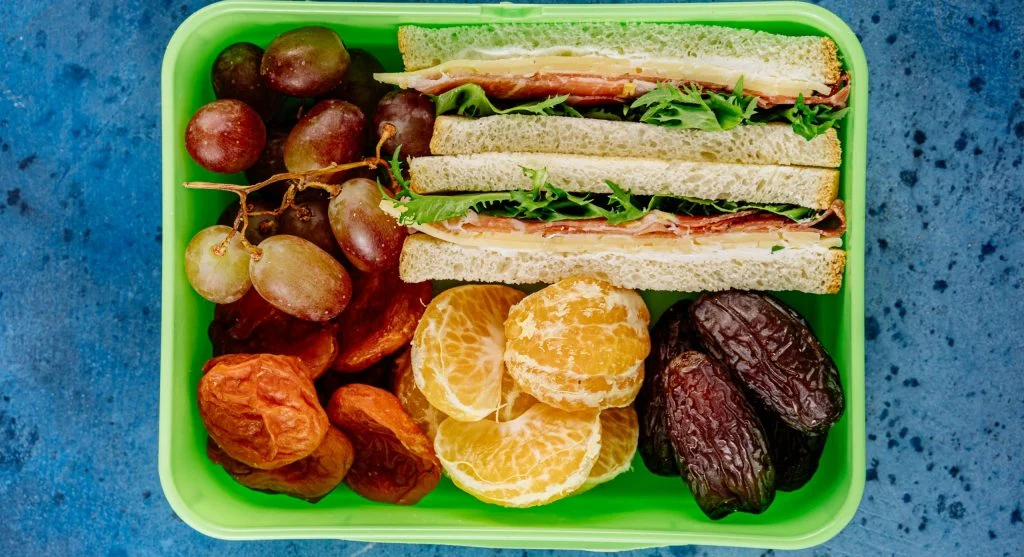
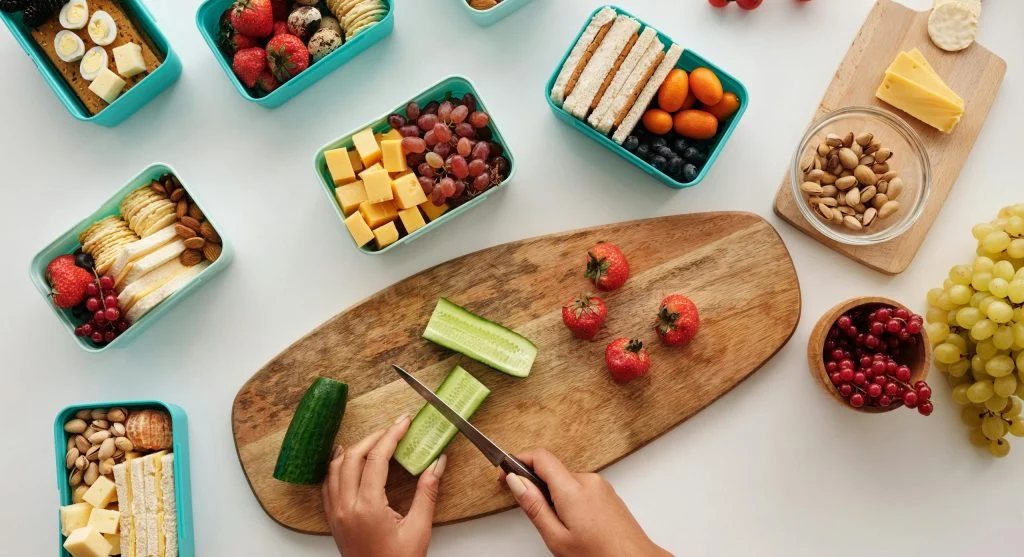
Produce does not need to be fancy to improve lunch. An apple, banana, grapes, cucumber slices, carrots, or cherry tomatoes can all work well. These foods are easy to pack and can help the lunch feel more complete.
Better eating habits often improve through simple additions, not major changes. Adding produce is one of the easiest ways to make lunch better without adding much work.
5. Repeat lunches that already work well
Some people think healthy packed lunches must be different every day, but repetition often makes the habit easier to keep. A few rotating lunches, such as wraps, grain bowls, sandwiches, or leftovers, can support a stronger weekly routine.
This is one of the most practical better eating habits because it also makes grocery shopping easier. When the same ingredients are used regularly, planning becomes much simpler.
6. Keep lunch sides simple and useful
Lunch does not need many side items to feel complete. One or two simple extras are often enough. Yogurt, fruit, crackers, nuts, chopped vegetables, or boiled eggs can help improve balance without turning lunch packing into a big task.
The goal is not to create a perfect lunch box. The goal is to make lunch satisfying enough to support the rest of the day.
7. Pack lunch the night before when possible
Mornings are often the hardest time to make good food decisions. Packing lunch the night before can remove pressure and make it easier to follow through with better eating habits during the week.
Even small steps help. Washing fruit, portioning yogurt, or placing leftovers into containers at night can make the next morning much smoother.
8. Use containers that make food easier to pack
Sometimes lunch packing feels difficult because the storage setup is not working well. Containers that fit leftovers, divided lunch boxes, small sauce cups, or reusable snack bags can make the process quicker and more organized.
9. Keep emergency lunch foods on hand
Not every day will allow for a carefully packed meal. That is why it helps to keep a few backup foods around. Tuna packs, crackers, fruit, yogurt, nuts, soup, or frozen leftovers can all help create a last-minute lunch when plans change.
Better eating habits often depend on backup options more than perfect ones. Having simple emergency lunch foods can stop a busy day from turning into skipped meals or vending machine choices.
10. Think about what lunch needs to do
A packed lunch should not only look healthy. It should also help the person get through the afternoon. That means it needs enough food, enough balance, and enough staying power to feel worthwhile.
This is one of the most useful better eating habits because it shifts the focus away from appearance and toward function. A practical lunch that truly supports the day is more valuable than one that only looks organized.
Simple packed lunch examples
Lunch idea 1
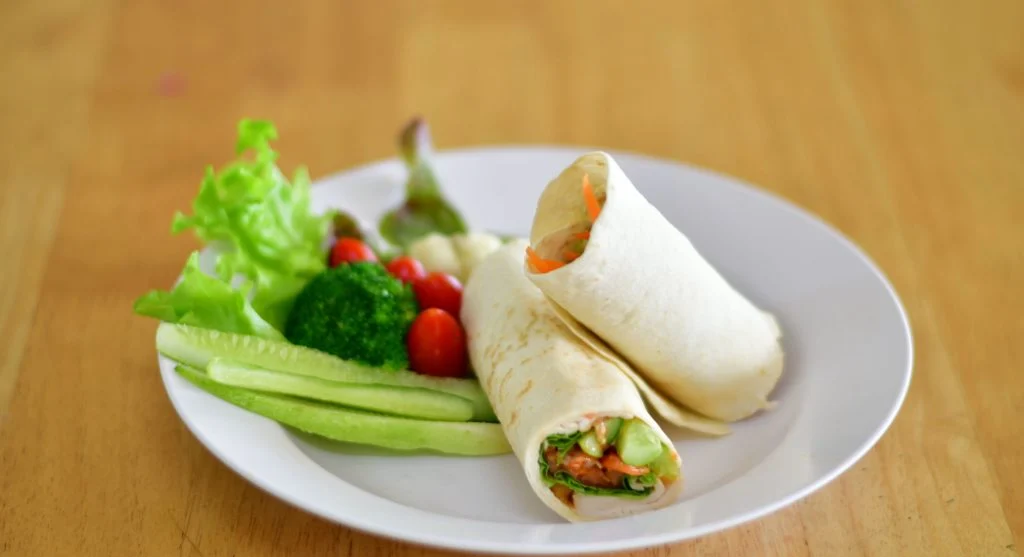
Whole-grain wrap with chicken, lettuce, and hummus plus fruit and yogurt.
Lunch idea 2
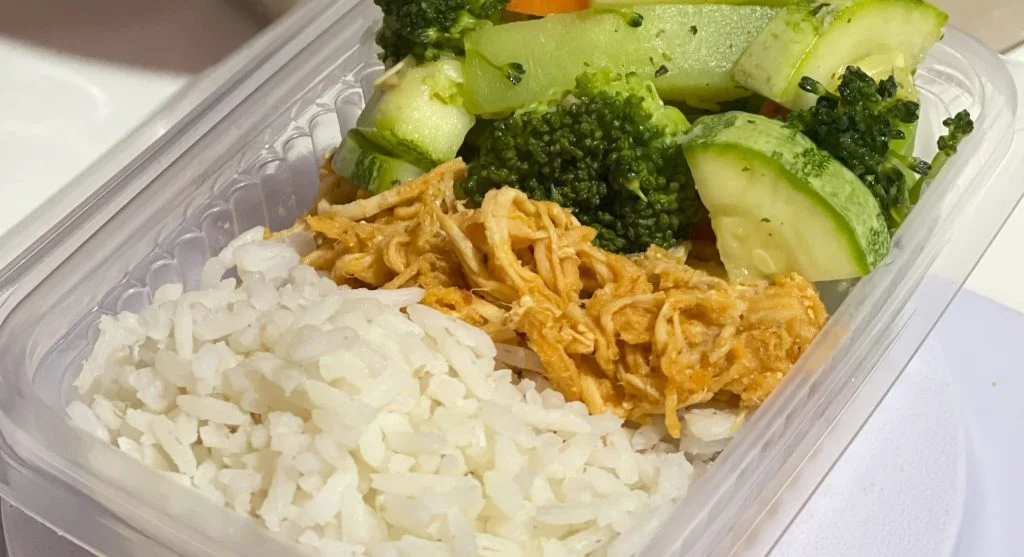
Rice bowl with beans, vegetables, and leftover roasted chicken.
Lunch idea 3
Boiled eggs, crackers, cucumber slices, fruit, and cottage cheese.
Lunch idea 4
Leftover soup with whole-grain toast and a banana.
Frequently Asked Questions
What are better eating habits for packed lunches?
Helpful habits include using leftovers, packing lunch ahead, adding protein, repeating simple lunches, and keeping useful side foods ready.
Does a packed lunch need to be different every day?
No. Repeating a few reliable lunches often makes healthy eating easier to maintain during busy weeks.
How can packed lunches feel more filling?
They often feel more filling when they include protein, a useful carbohydrate, produce, and enough total food for the afternoon.
Why do people stop packing lunch?
They often stop because the process feels too time-consuming, too unplanned, or too hard to repeat during busy mornings.
Key Takeaway
Better eating habits can make lunch packing much easier when the process is built around simple routines and practical food choices. Using leftovers, adding protein, packing lunches the night before, and repeating a few reliable meals can all reduce stress and improve balance. Many experts support realistic lunch habits over complicated meal prep systems. In daily life, a packed lunch routine works best when it is easy enough to keep using.

 Eats PEI