 Darren LeBlanc
Healthy eating often seems harder than it should because people are surrounded by mixed messages. One day a food is praised, and the next day it is blamed. That is why learning a few clear food truths can help people make better choices without feeling overwhelmed.
In most cases, nutrition experts focus less on extreme rules and more on lasting habits. These food truths do not promise perfection, but they can help explain what really matters when building a practical eating routine.
1. No single food decides overall health
One of the most important food truths is that health is usually shaped by patterns, not one meal or one ingredient. A single dessert, fast-food meal, or snack does not define a person’s diet any more than one salad does.
This matters because many people judge their choices too harshly after eating something less nutritious. Experts often encourage people to look at the bigger picture instead. What happens most of the time usually matters more than what happens once in a while.
2. Balanced meals often work better than strict food rules
Some people try to improve their diet by cutting out entire food groups. In certain medical cases, that may be necessary, but for many people it only adds stress. A more useful approach is often to build meals with protein, fiber-rich foods, and a sensible amount of healthy fat.
This is one of the food truths that supports long-term consistency. Balanced meals may help with fullness, meal satisfaction, and more stable energy throughout the day.
3. Hunger is not a failure
Hunger is a normal body signal, not something to fear. Yet many people treat hunger as a sign that they are doing something wrong. In reality, regular hunger often means the body needs food or a more balanced meal pattern.
Ignoring hunger for too long can lead to strong cravings or overeating later. Many dietitians advise listening to hunger earlier instead of waiting until it becomes extreme.
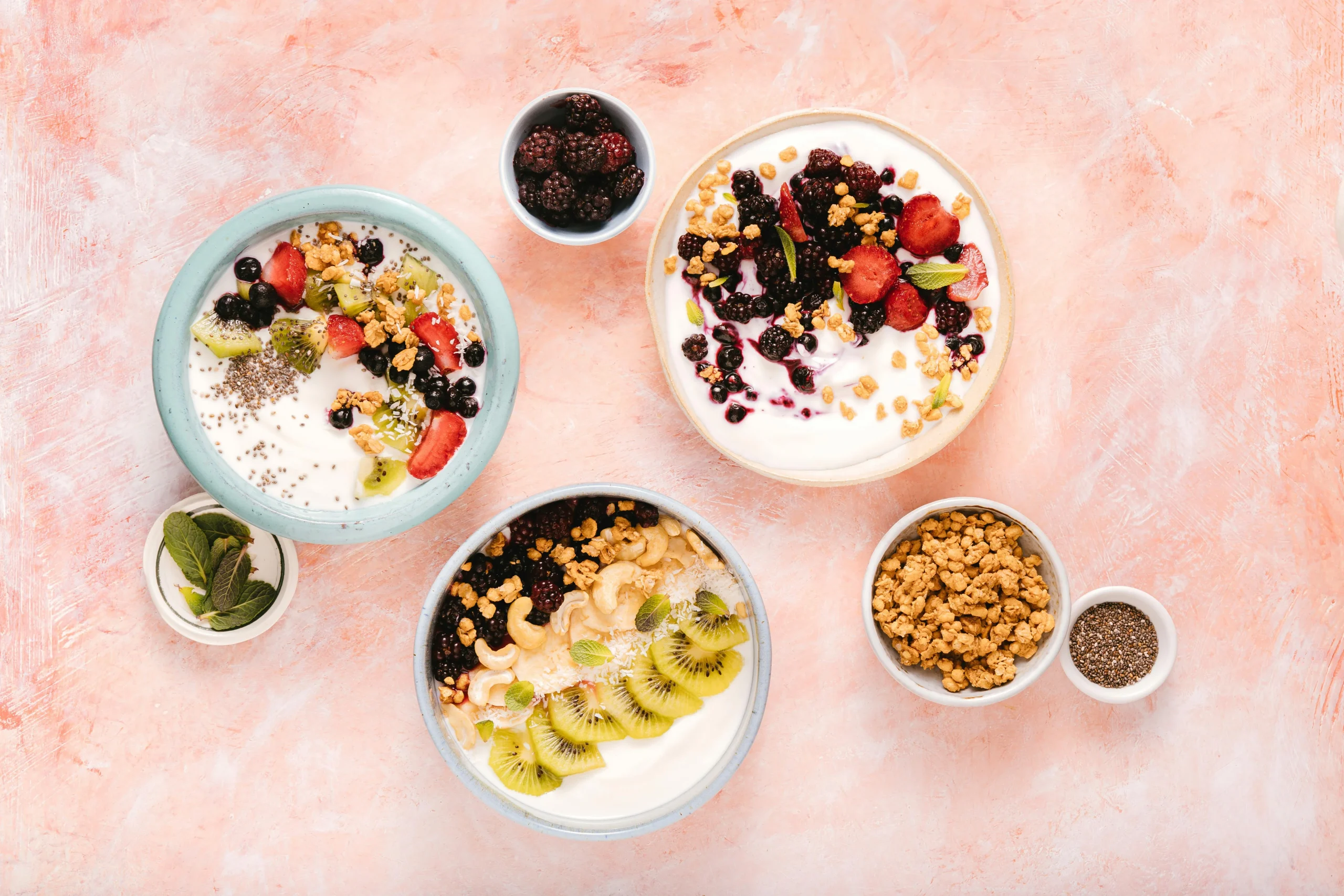 Credit: Antoni Shkraba Studio / Pexels
4. Convenience can still be part of healthy eating
Many people assume healthy eating must involve cooking everything from scratch. That is not always realistic. Frozen vegetables, canned beans, microwavable grains, bagged salad, and rotisserie chicken can all support balanced meals.
This is one of the most practical food truths because it removes the pressure to do everything perfectly. When healthy choices are convenient, people are more likely to repeat them.
5. Protein and fiber usually make meals more satisfying
Meals built mostly around refined snacks or sugary foods often do not keep people full for long. Protein and fiber help slow digestion and may support satiety. That is why foods like eggs, beans, yogurt, oats, lentils, vegetables, and fruit are often useful staples.
Peer-reviewed nutrition research often highlights the value of dietary fiber for fullness and overall diet quality. Protein also plays an important role in meal satisfaction, especially when spread across the day.
6. Healthy eating does not need to be expensive
There is a common idea that eating well always costs more, but this is not always true. Some of the most useful everyday foods are simple and affordable. Oats, rice, eggs, lentils, beans, frozen vegetables, potatoes, yogurt, and canned fish can all fit into a balanced diet.
This is one of the food truths that can make healthy eating feel more possible. Trendy products often get attention, but many basic staples offer strong nutrition at a lower cost.
7. Enjoyment matters more than many people think
A healthy eating pattern is much harder to maintain when meals feel bland or overly restrictive. Enjoyment plays an important role in consistency. Food should support health, but it should also feel satisfying and pleasant to eat.
Experts often suggest improving flavor with herbs, spices, citrus, garlic, and sauces that fit within a balanced meal. When food tastes good, healthy habits become easier to keep.
8. Small daily habits can matter more than major resets
Many people try to “start over” with food after a busy weekend, holiday, or stressful week. But major resets often do not last. One of the most helpful food truths is that small repeated actions usually do more over time.
Drinking more water, eating a more balanced breakfast, planning one simple dinner, or adding fruit to a snack may seem minor, but these steps can support stronger routines. Public health advice often points toward consistency rather than extremes.
 Credit: Alex Green / Pexel
Why food truths matter in real life
Many nutrition headlines focus on extremes because they get attention. Real life, however, usually depends on practical habits. People need meals that work on busy mornings, ordinary workdays, and family weekends.
That is why food truths are so useful. They shift the focus away from fear and toward simple choices that people can actually follow. In many cases, eating well becomes easier when the goal is clarity rather than perfection.
Frequently Asked Questions
What are food truths?
Food truths are basic nutrition ideas that help people understand what matters most in healthy eating.
Do food truths mean people should ignore nutrition advice?
No. They help people focus on evidence-based habits instead of getting lost in confusing diet messages.
Can simple foods still be healthy?
Yes. Basic foods like oats, eggs, beans, fruit, yogurt, and vegetables can all support a balanced diet.
Is perfect eating necessary for good health?
No. Most experts support consistent healthy habits over all-or-nothing eating patterns.
Key Takeaway
Food truths can make healthy eating feel more realistic and less confusing. Instead of focusing on single foods or strict rules, many experts recommend balanced meals, practical habits, and long-term consistency. Foods do not need to be perfect to be useful. In everyday life, food truths often point back to simple routines that people can actually maintain.


 Eats PEI