 Darren LeBlanc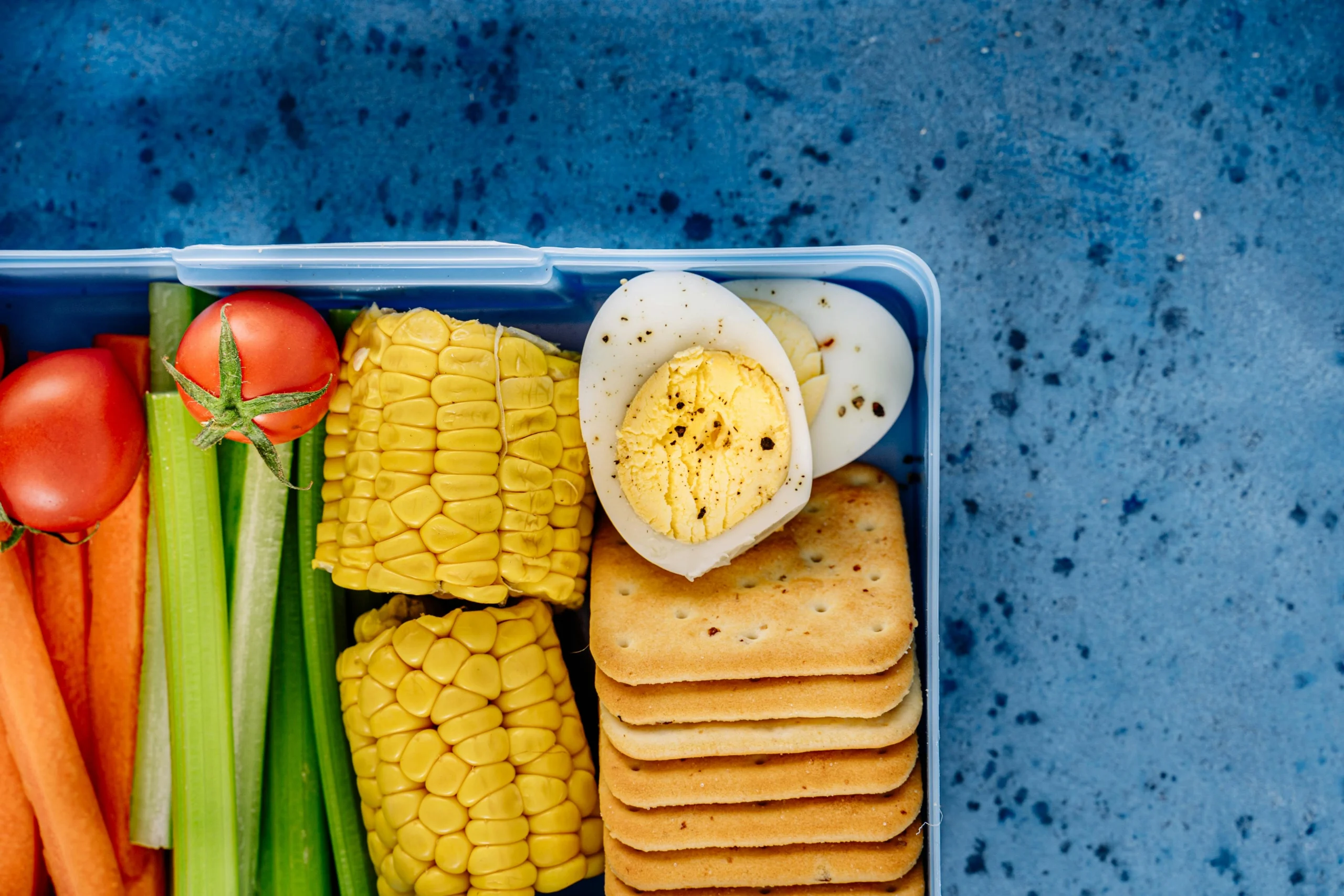
That is why practical lunch staples matter so much. The best food picks for packed lunches are usually simple, flexible, and useful in more than one way. When the right foods are already on hand, lunch becomes less stressful and much easier to prepare.
Why packed lunches often feel harder than expected
Packed lunches can become frustrating when they depend on too many ingredients or too much effort in the morning. Some meals are not filling enough, while others are hard to store or lose their appeal after a few hours.
Useful food picks solve some of those problems before lunch is even packed. Choosing foods that travel well and work together can make weekday lunches more practical and more consistent.
1. Whole-grain wraps for flexible lunch building
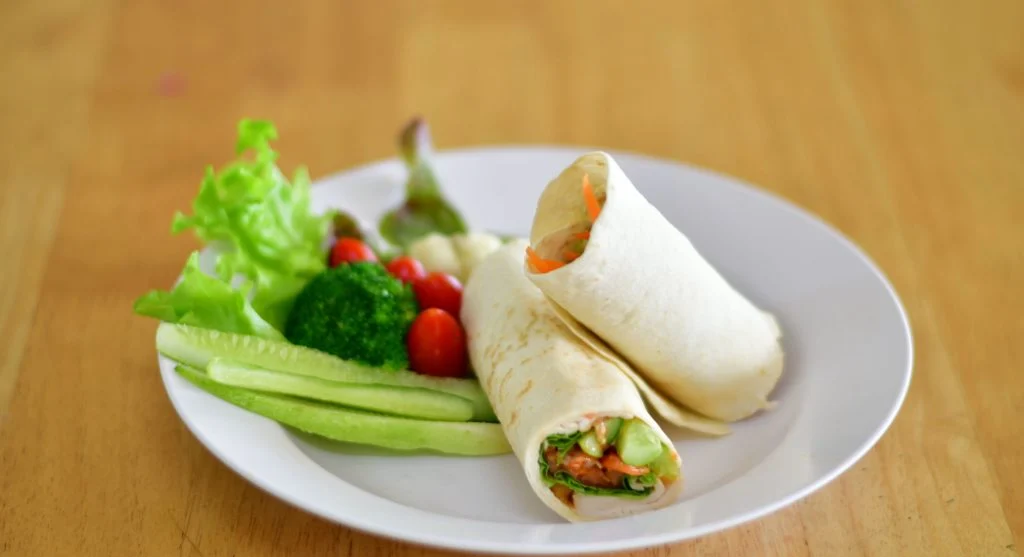
Wraps are one of the easiest food picks for packed lunches because they are simple to fill and easy to carry. They can be used with chicken, tuna, beans, hummus, eggs, vegetables, or leftover protein from dinner.
They also help turn small ingredients into a more complete meal. For many people, wraps are easier to pack and eat than messier lunch options.
2. Boiled eggs for portable protein
Boiled eggs are one of the most practical lunch staples because they are portable, easy to prepare ahead, and rich in protein. They can be packed with fruit, crackers, vegetables, or bread for a simple but useful lunch.
This is one of the strongest food picks for people who want something quick that still adds staying power to the meal.
3. Rice for easy lunch bowls
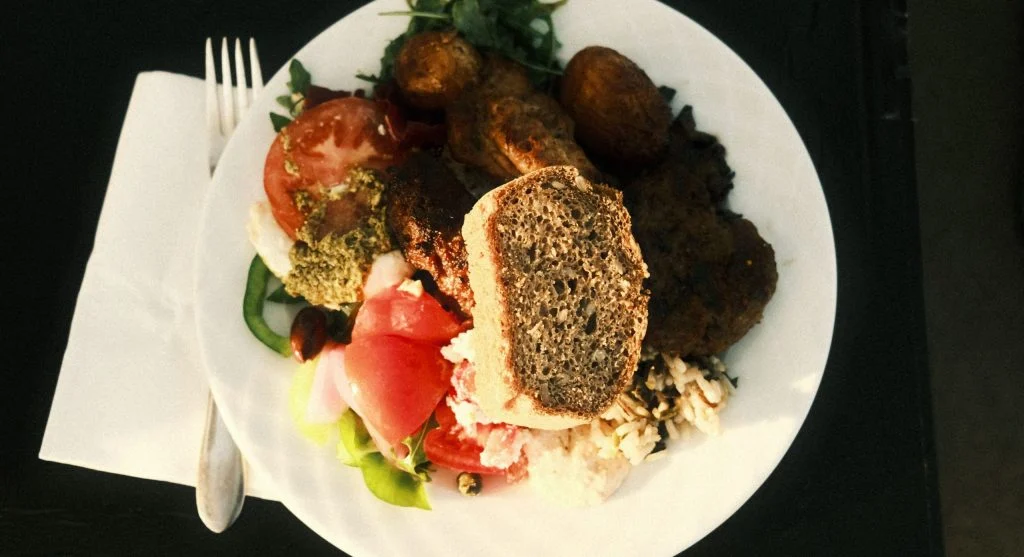
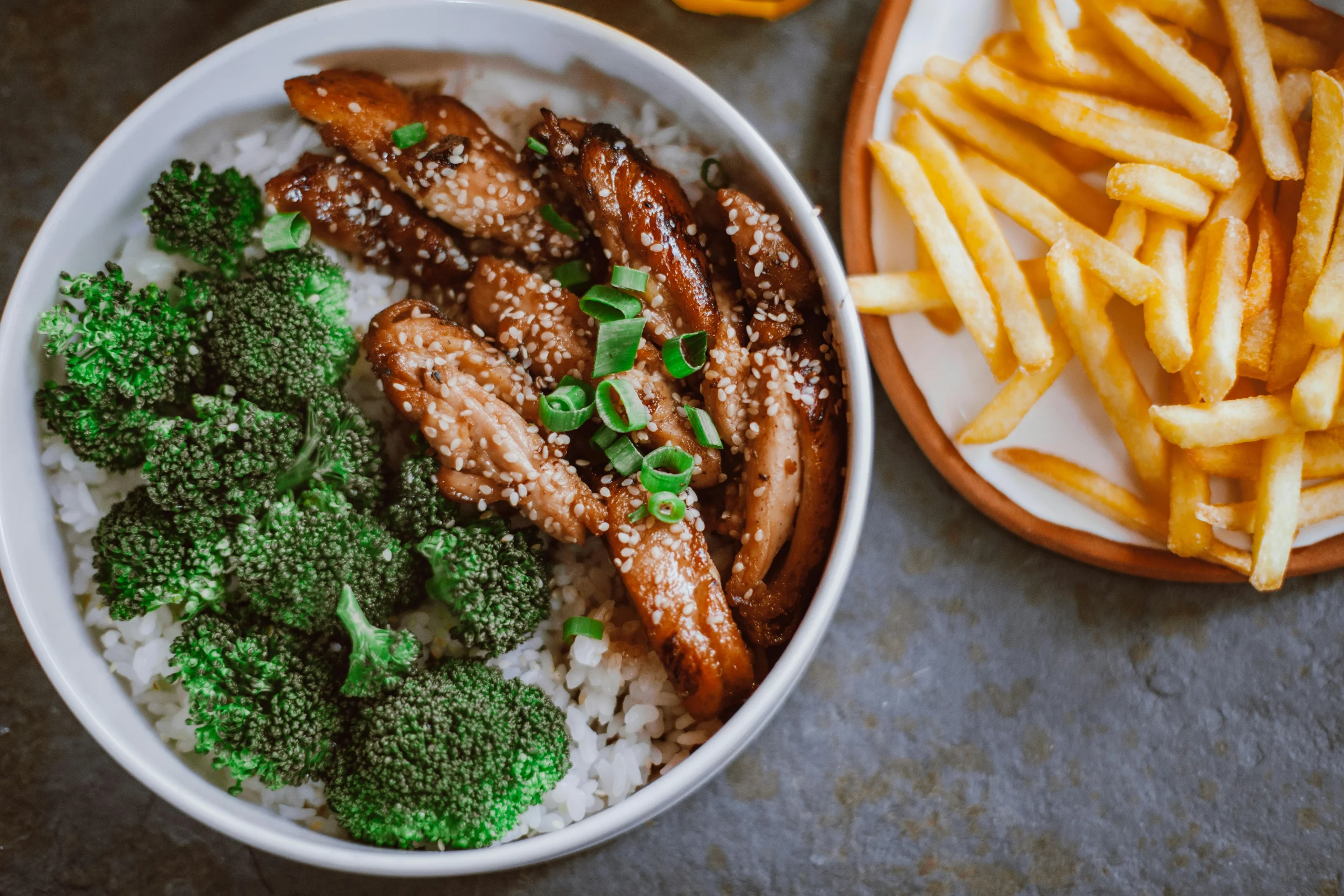
Rice works well in packed lunches because it creates a simple base for many combinations. It pairs easily with beans, vegetables, chicken, tofu, tuna, or eggs and can be seasoned in different ways through the week.
Cooked rice also helps leftovers turn into something more structured. This is one reason it remains one of the more useful food picks for practical lunches.
Credit: ROMAN ODINTSOV / Pexels
4. Greek yogurt for a simple filling side
Greek yogurt can work as a side item, a snack added to lunch, or part of a lunch box built around a few smaller foods. It provides protein and pairs well with fruit, oats, or nuts.
For packed lunches that need a little more balance, yogurt is one of the easiest food picks to keep in regular rotation.
5. Fruit that travels well
Fruit helps make packed lunches feel fresher and more complete. Apples, bananas, grapes, berries, oranges, and pears are all useful choices depending on how the lunch is stored and carried.
This is one of those food picks that seems simple, but it can improve the overall balance of the meal with very little effort. Portable fruit is especially helpful for people who want lunches that require minimal prep.
6. Hummus for flavor and lunch support
Hummus is useful because it can act as a dip, spread, or side item. It pairs well with wraps, crackers, chopped vegetables, and grain bowls. It can also help make a lighter lunch feel more satisfying.
As one of the more flexible food picks, hummus works particularly well when lunches need more flavor without much extra work.
7. Chopped vegetables for easy add-ins
Prepared vegetables such as cucumber, carrots, peppers, and cherry tomatoes are useful packed lunch foods because they can be added quickly to many meals. They work in wraps, rice bowls, lunch boxes, and simple snack-style lunches.
Keeping vegetables already washed and cut is often what makes them realistic to pack. This turns them into much stronger food picks for busy weekdays.
8. Canned tuna or salmon for fast lunches
Canned fish is one of the most practical food picks for people who need quick protein without much cooking. Tuna or salmon can be packed with crackers, mixed into rice bowls, added to sandwiches, or used in wraps.
Because these foods are easy to store and simple to prepare, they help make packed lunches more dependable during busy weeks.
9. Nuts or seeds for a small but helpful extra
Nuts and seeds can improve packed lunches by adding texture, healthy fats, and a little more staying power. They work well as part of a yogurt bowl, a side snack, or a simple lunch box built from smaller parts.
This is one of the more supportive food picks rather than a full lunch item on its own. Still, it can make a noticeable difference when a packed lunch needs one more useful element.
How to turn these food picks into better packed lunches
The easiest packed lunches often come from simple combinations. A wrap with hummus and chicken plus fruit can work well. Rice with vegetables and beans can work well too. Boiled eggs, yogurt, crackers, and fruit can create a snack-style lunch that still feels balanced.
These food picks are most helpful when they reduce effort and support routine. Packed lunches do not need to be exciting every day. They just need to be practical enough to prepare and satisfying enough to matter.
Frequently Asked Questions
What food picks work best for packed lunches?
Foods that travel well, stay practical through the day, and help create balanced meals are often the best options.
Can packed lunches still be filling?
Yes. Packed lunches can feel more filling when they include protein, useful carbohydrates, produce, and enough total food.
Are lunch boxes only for cold foods?
No. Some packed lunches can be eaten cold, while others can be packed in insulated containers if needed.
Why do packed lunches fail so often?
They often become difficult when they require too much prep, do not feel filling enough, or are built without flexible staple foods.
Key Takeaway
Food picks can make packed lunches much more practical when they are simple, flexible, and easy to combine into balanced meals. Staples like wraps, eggs, rice, yogurt, fruit, hummus, and canned fish can reduce stress and make weekday lunches easier to repeat. Many experts support realistic lunch routines over complicated meal prep. In everyday life, the best food picks are the ones that make lunch easier to pack and more satisfying to eat.

 Eats PEI